File Your Sales Tax
with FlyFin
CPAs + AI makes it 20x faster and 5x cheaper
Get Your First Sales Tax Filing Free!
Sales Tax Calculator
What do you sell?
Estimated Sales Tax Breakup
For Total Sales of $486,000
Monthly
Annual
Brackets
Rates
Income
$486,000
Sales Tax Rate
Infinity% - -Infinity%
Total Sales Tax
$Infinity.undefined - $-Infinity.undefined
For Taylor, the sales tax rate totals Infinity% - -Infinity%, factoring in both state and county taxes. The Wisconsin state sales tax currently amounts to NaN%, with the county tax being Infinity% - -Infinity%. City also adds a sales tax of Infinity% - -Infinity%.
Sales Tax in Taylor
Sales tax is a crucial aspect of the financial landscape for businesses operating in Taylor, Wisconsin. Understanding the intricacies of the sales tax system is essential for compliance and strategic financial planning. This article delves into the various aspects of sales tax in Taylor, providing insights into taxable items, calculation methods, recent updates, and compliance strategies for small retailers.
Breakdown of Sales Tax Rates in Wisconsin
State Tax Rates
NaN%
County Tax Rates
Infinity% - -Infinity%
City Tax Rates
Infinity% - -Infinity%
Total Tax Rate
Infinity% - -Infinity%
Table of contents
What is Sales Tax in Taylor
Sales tax in Taylor is a consumption tax imposed on the sale of goods and services within the city limits. Businesses are responsible for collecting this tax from consumers at the point of sale and remitting it to the appropriate tax authority. Understanding the local sales tax rate and its implications is vital for financial planning and compliance.
Sales Taxable and Exempt Items in Taylor
In Taylor, certain goods and services are subject to sales tax, while others are exempt. Here is a list of some common taxable and exempt items:
- Taxable Items:Clothing, electronics, and furniture.
- Exempt Items:Groceries, prescription medications, and certain medical devices.
How Sales Tax is Calculated in Taylor
Calculating sales tax in Taylor involves applying the local sales tax rate to the total sale price of taxable goods and services. Businesses can use a Taylor sales tax calculator to ensure accuracy in their calculations. The sales tax rate in Taylor, Wisconsin, is determined by a combination of state, county, and local rates.
How to Make Sales Tax Compliance Easier and More Efficient
As sales tax rules keep evolving, apps like FlyFin make managing sales taxes much easier. FlyFin is revolutionizing the tax world by blending AI technology with the knowledge of CPAs. Whether it’s simple or complex filings, FlyFin delivers accurate tax results 20 times faster and at 5 times lower cost. Best of all, your first sales tax filing with FlyFin is free, so you can concentrate on growing your business while their CPAs handle the tough tax work.
Recent Sales Tax Updates or Changes in Taylor
Recent legislative changes have impacted the sales tax landscape in Taylor. Business owners should stay informed about any adjustments to the Taylor WI sales tax rate to ensure compliance and adjust their pricing strategies accordingly. Additionally, the rise of e-commerce has led to new rules regarding sales tax nexus, affecting how online sales are taxed in Taylor.
Online Sales and Sales Tax Nexus Rules in Taylor
With the growth of online shopping, understanding sales tax nexus rules is crucial for businesses in Taylor. A nexus is established when a business has a significant presence in a state, requiring them to collect sales tax on sales made to residents of that state. Taylor sales tax regulations mandate that businesses with a nexus must comply with local tax collection and remittance procedures.
Steps to Complete Your Sales Tax Registration in Taylor
Registering for a sales tax permit is a necessary step for businesses in Taylor. This process involves submitting an application to the Wisconsin Department of Revenue, providing business details, and obtaining a sales tax identification number. Timely registration ensures compliance and avoids potential penalties.
How to Find Your Sales Tax Due Date in Taylor
Sales tax due dates in Taylor vary depending on the business's filing frequency, which can be monthly, quarterly, or annually. Business owners should refer to the Wisconsin Department of Revenue's guidelines to determine their specific due dates and ensure timely filing to avoid penalties.
Small Retailer Compliance Strategies in Taylor
Small retailers in Taylor can adopt several strategies to ensure sales tax compliance. These include using a reliable sales tax calculator, maintaining accurate records, and staying informed about changes in the Taylor sales tax rate. Additionally, seeking advice from a CPA can help navigate complex tax regulations.
The Role of Taylor in State-Wide Sales Tax Decisions
Taylor plays a significant role in shaping state-wide sales tax policies. Local government officials often collaborate with state authorities to address the unique needs of the community, ensuring that sales tax regulations support both economic growth and public welfare.
How Local Sales Tax Supports Infrastructure Development in Taylor
Revenue generated from the Taylor sales tax is instrumental in funding infrastructure projects, such as road maintenance, public transportation, and community facilities. Businesses in Taylor benefit from these developments, which enhance the local economy and improve the quality of life for residents.
In conclusion, understanding the sales tax system in Taylor is essential for business owners to ensure compliance and leverage opportunities for growth. By staying informed about the Taylor sales tax rate, utilizing tools like the Taylor sales tax calculator, and adopting effective compliance strategies, businesses can navigate the complexities of sales tax in Taylor, Wisconsin, with confidence.
Sales Tax Rate in Major Counties of Wisconsin
County
Total Sales Tax Rate
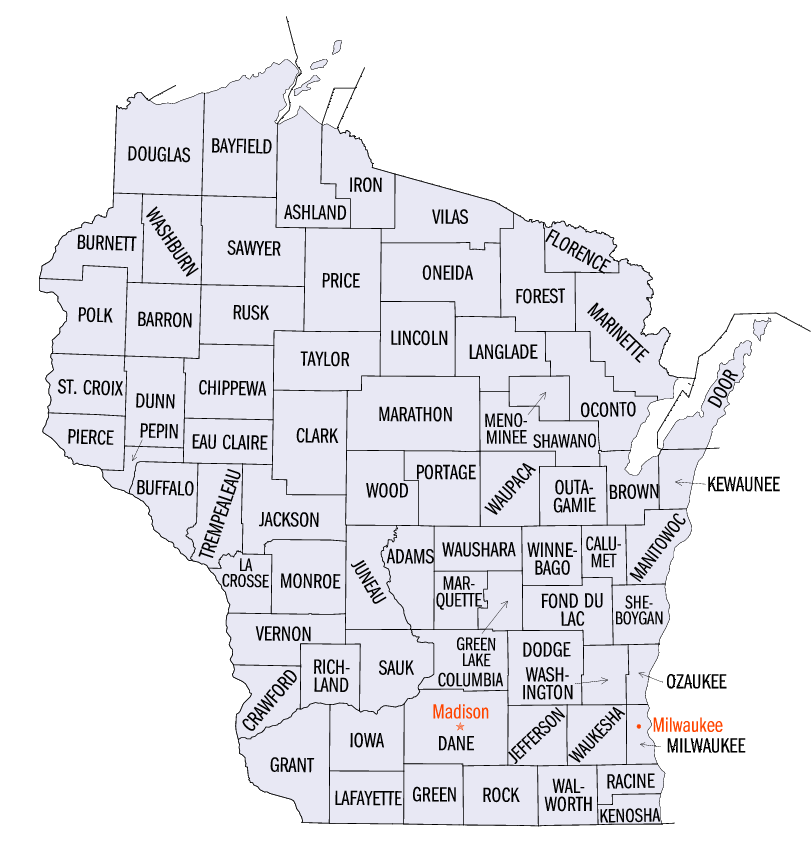
Facts and figures about
County, Wisconsin
11,572
CPAs across the state




5,893,718
Residents as of 2022

282,770
People claiming self- employment tax deductions

145,970
S-Corps statewide

196,840
People taking itemized deductions

410,180
People claiming the QBI deduction
😵💫 Smart CPAs are accessible and affordable, but there's only 1 Wisconsin CPA for every 300 residents.
😓 19 million taxpayers filed late last year. Smart CPAs can help taxpayers be prepared.
😨 Smart CPAs can help the 30 million Americans who miss tax deductions each year.
😣 Smart CPAs can put an end to the overpaying on taxes that half of Americans do every year.
Wisconsin State Income Tax Rates & Brackets for 2023
The following tables represents Wisconsin's income tax rates and tax brackets:
SINGLE FILER
Brackets
Rates
$0 - $12,760
3.54%
$12,760 - $25,520
4.65%
$25,520 - $ 2,80,950
5.30%
$ 2,80,950+
7.65%
MARRIED FILING JOINTLY
Brackets
Rates
$0 - $17,010
3.54%
$17,010 - $34,030
4.65%
$34,030 - $ 3,74,600
5.30%
$ 3,74,600+
7.65%
Filing Status
Standard Deduction Amt.
Single
$11,790
Couple
$16,805
Frequently Asked Questions
How does sales tax filing in Wisconsin work?
Who is required to file sales tax returns?
Do I need to charge sales tax for online sales in Wisconsin?
How often do I need to file sales tax returns in Wisconsin?
What happens if I miss a sales tax filing deadline in Wisconsin?
How can FlyFin CPAs help with sales tax in Wisconsin?
Sales Tax in other states
Sales Tax in other Counties of Wisconsin
What’s FlyFin?


Expert tax CPAs ensure 100%-accurate tax filing

A.I. finds every tax deduction, eliminating 95% of your work

On average users save $3,700