Automate your tax calculations and filing with FlyFin
Step 1/3
What do you sell?
How does this work
Sales tax is estimated based on the combined sales tax rate of your location & total sales.
For example,
Total sales
$150,000
Zip-code
95120
Combined sales tax rate
(State, County, City & Special)
9.375%
Estimated sales tax
$14,062.50
Sales Tax Guide of
Maine
Sales Tax in Maine
Maine, known for its stunning coastline and delicious lobster, also has its own set of sales tax laws that every business owner needs to grasp. The sales tax rate in Maine ranges from Infinity% to -Infinity%, impacting how much consumers pay on everyday purchases. Understanding these sales tax rates is crucial for businesses to ensure they charge and collect the correct amount.
In this guide, we'll break down the sales tax rate in Maine and its components. You’ll find out how these rates are determined and learn about Maine's specific rules and exemptions. Whether you're running a cozy seaside shop or a bustling city business, knowing these details will keep you on the right track with your sales tax obligations.
State Sales Tax Rate
NaN%
County Sales Tax Rate
Infinity% - -Infinity%
City Sales Tax Rate
Infinity% - -Infinity%
Special Sales Tax Rate
Infinity% - -Infinity%
Combined Sales Tax Rate
Infinity% - -Infinity%
Looking for a specific county?
Get your first Sales Tax filing free!
FlyFin CPAs offer precise sales tax filing with full audit insurance & a 100% money-back guarantee.
Trusted by 250k+ freelancers
Trusted by 250k+ freelancers
What's in this article?
Understanding Sales and Use Tax Basics
Differences in Sales and Use Tax Across Maine
Taxable vs. Non-Taxable Items in Maine
Service Exemptions from Sales Tax in Maine
Understanding Sales Tax Nexus and Its Effects
Maine Sales Tax Nexus Rates Explained
Maine Sales Tax Return Deadlines
Steps to Take If You Miss a Maine Tax Filing Deadline
Preparing Your Sales Tax Return: A Step-by-Step Guide
Obtaining a Sales Tax Permit in Maine
Understanding Sales and Use Tax Basics
Understanding what's taxed and what isn't in Maine can help you avoid unexpected charges and ensure proper compliance. Generally, Maine applies its sales tax rate to a broad range of goods, from clothing and electronics to home appliances. If you're picking up a new TV or upgrading your wardrobe, these will usually include the maine sales tax rate in their cost.
However, not everything falls under this tax umbrella. Many essential items remain untaxed to ease the cost burden on necessities. For instance, staple groceries like bread and milk, as well as prescription medications such as insulin for diabetes or antibiotics for infections, are typically exempt from sales tax. These exemptions are designed to ensure that residents can access basic needs affordably.
In addition to goods, certain services might also be taxable. As we continue, we'll explore any specific services that could be exempt from sales tax in Maine, providing a clearer view of what to expect when selling or purchasing services within the state.
Differences in Sales and Use Tax Across Maine
Sales and use tax in Maine can vary depending on several factors, such as location and type of purchase. While the state maintains a standard sales tax rate of NaN, local differences exist based on specific counties and municipalities. This is where understanding these nuances becomes crucial for businesses operating in or dealing with different parts of the state.
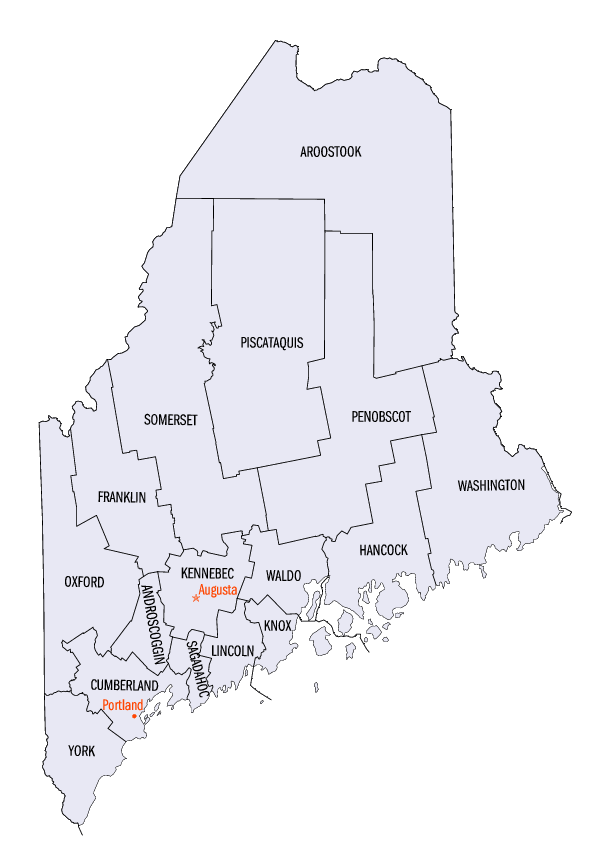
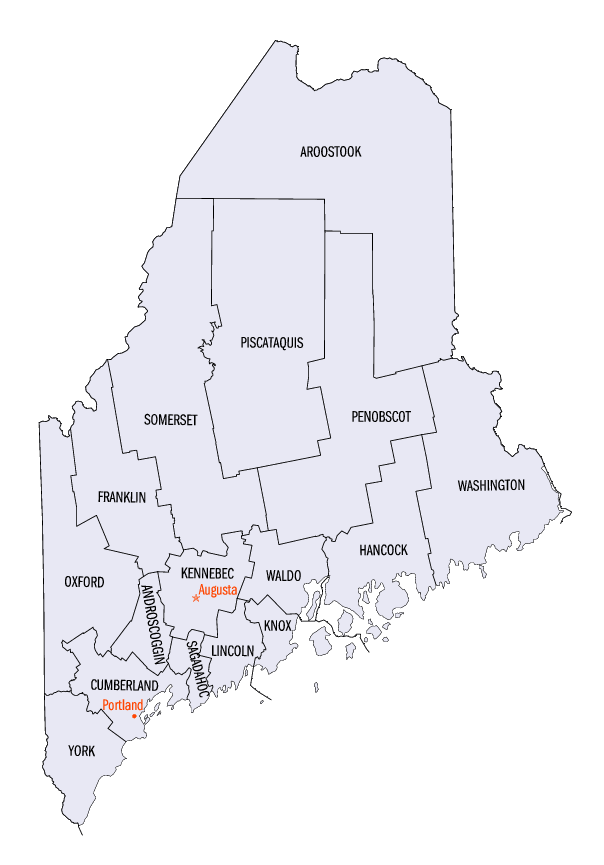
Below is a table showcasing the varying sales tax rates across different counties in Maine. Reviewing this table can help you understand how taxes differ from one area to another, assisting you in making informed decisions for your business transactions. Alternatively, for a quick calculation, you can use the handy Sales Tax Calculator available at the top of the page.
Sales Tax Rate in Major Counties of Maine
After examining the table, it's evident how these small differences in rates can impact the total cost of goods and services. Keeping this in mind can help businesses and consumers plan better, ensuring they meet their obligations without any unexpected expenses. Next, we will delve into what specific items and services are subject to Maine's sales tax and discover which might be exempt.
Quick Tip :
Remember, even small tax rate differences can add up over time. Use the Sales Tax Calculator to quickly estimate your costs based on the specific county in Maine.
Taxable vs. Non-Taxable Items in Maine
Understanding what's taxed and what isn't in Maine can help you avoid unexpected charges and ensure proper compliance. Generally, Maine applies its sales tax rate to a broad range of goods, from clothing and electronics to home appliances. If you're picking up a new TV or upgrading your wardrobe, these will usually include the maine sales tax rate in their cost.
However, not everything falls under this tax umbrella. Many essential items remain untaxed to ease the cost burden on necessities. For instance, staple groceries like bread and milk, as well as prescription medications such as insulin for diabetes or antibiotics for infections, are typically exempt from sales tax. These exemptions are designed to ensure that residents can access basic needs affordably.
In addition to goods, certain services might also be taxable. As we continue, we'll explore any specific services that could be exempt from sales tax in Maine, providing a clearer view of what to expect when selling or purchasing services within the state.
Service Exemptions from Sales Tax in Maine
While the maine state sales tax applies to various goods, understanding which services are exempt is equally important for businesses and consumers. In Maine, a number of services do enjoy exemptions, alleviating some of the financial burdens.
For instance, professional services like legal and accounting advice are generally not subject to sales tax. So, if you're consulting an attorney or hiring a CPA, the amount you pay is usually free of sales tax. Similarly, personal services such as haircuts or yoga classes do not attract sales tax, allowing these service providers to offer their full attention to the craft without needing to factor in additional charges for their clients.
However, it is critical to remain informed about Maine's specific rules, as certain services may still be taxable. Knowing these exemptions can make a difference when you're budgeting or setting prices for your services. In the next section, we'll take a closer look at sales tax nexus and discuss how it impacts you, especially if you're running a business or making purchases across different states.
Understanding Sales Tax Nexus and Its Effects
Sales tax nexus is a critical concept that affects how businesses handle sales tax in Maine and beyond. In simple terms, a sales tax nexus is a connection or link between a business and a taxing state that requires the business to collect and remit sales tax on transactions. This connection can be physical, like having a storefront or office in the state, or even economic, through reaching a specific amount of sales or transactions.
For instance, if you're a business with a warehouse or employees physically located in Maine, you likely have a physical nexus, obliging you to collect sales tax in the state. On the other hand, if you're conducting substantial online sales to Maine residents, you might fall under economic nexus rules. This is especially relevant in the age of e-commerce, where businesses can easily reach customers across multiple states without having a physical presence.
These nexus rules are crucial in determining your obligations. Up next, we will delve into the different types of sales tax nexus, providing a clearer picture of how each type can impact your business in Maine and elsewhere. Understanding these can help you ensure compliance and avoid any unpleasant surprises during tax season.
What is Physical Nexus?
Physical nexus refers to a business's tangible connection to a state, like having a store, office, or warehouse there. For example, if you own a bakery with a storefront in Maine, you have a physical nexus. This connection requires you to collect and remit sales tax in Maine on any in-state sales you make.
What is Economic Nexus?
Economic nexus arises when a business surpasses a certain sales threshold in a state, even without a physical presence. For instance, if an online retailer sells over $100,000 worth of goods to customers in Maine, it's considered to have an economic nexus. This requires collecting and remitting sales tax in Maine despite not having a store there.
What is Affiliate Nexus?
Affiliate nexus occurs when a business has ties to other companies or individuals in a state that help promote or sell its products. For example, if a company partners with local bloggers in Maine to advertise and drive sales, it may create an affiliate nexus. This connection mandates that the business collect and remit Maine sales tax.
What is Click-Through Nexus?
Click-through nexus occurs when a business gains customers through online links on third-party websites based in a state. For instance, if a Maine-based blogger links products on their site and earns a commission on sales, the businesses providing those links could be subject to Maine sales tax obligations due to click-through nexus.
Quick Tip :
Different nexus types can affect your tax obligations differently. Use FlyFin to determine your specific nexus and keep your business compliant with sales tax rules in Maine.
Maine Sales Tax Nexus Rates Explained
Understanding Maine sales tax nexus rates is vital for businesses involved in transactions within the state. These rates essentially determine when a business must begin collecting and remitting the maine sales tax rate based on its nexus status. Whether it's a physical, economic, or affiliate connection, each type of nexus has its own implications.
In Maine, specific threshold limits need to be met to establish a nexus. For example, reaching a certain number of sales or an income level within the state can activate your responsibility to comply with state tax laws.
To better illustrate, we've included a table that outlines the various sales tax nexus threshold limits in Maine. By familiarizing yourself with these details, you'll be well-equipped to fulfill your tax obligations.
Maine Economic Nexus Threshold
Sales Threshold
$100,000 in sales only
Evaluated over the current or previous calendar year
Effective from July 1, 2018
Included Transactions
Gross sales of tangible personal property delivered into the state
Taxable services delivered into the state
Exempt sales
Excluded Transactions
Exempt services
Sales made through a registered marketplace facilitator
Maine Sales Tax Return Deadlines
Knowing when your sales tax returns are due in Maine is essential to maintain compliance and avoid penalties. The frequency with which you need to file your returns—monthly, quarterly, or annually—depends on the volume of your sales activity. Businesses with higher sales often file more frequently to ensure timely remittance of collected taxes.
For most businesses, monthly filings are due by the 15th day of the month following the reporting period. Quarterly and annual returns have different due dates, so it's crucial to keep track of your filing schedule. Using a tool like the Maine sales tax calculator can help you manage your figures and ensure accuracy before filing.
If you're unsure about your specific filing requirements, the next section will guide you on what to do if you miss a filing deadline in Maine. Understanding these deadlines and tools can help you stay organized and avoid costly mistakes.
Quick Tip :
Set reminders for sales tax filing deadlines to avoid penalties. Try using FlyFin for streamlined tax management and timely reminders tailored to Maine's tax schedules.
Ask A.I.
Ask A.I.
Get instant answers to all your sales tax questions with A.I.
Get instant answers to all your sales tax questions with A.I.
Ask anything about taxes...
4.9 out of 5
Top questions asked by freelancers today
Steps to Take If You Miss a Maine Tax Filing Deadline
Missing a sales tax filing deadline in Maine can be stressful, but taking prompt action can help mitigate any penalties. First, file your sales tax return as soon as possible. The longer you delay, the greater the risk of incurring late fees.
Next, calculate any penalties or interest due. This is where the maine sales tax calculator comes in handy, helping you determine additional costs accurately. You should then remit payment for both the tax owed and any assessed penalties or interest.
Additionally, it's a good idea to contact the Maine Revenue Services. Open communication can be beneficial, especially if this is your first missed deadline or if extenuating circumstances led to the delay. They may be able to offer guidance or even leniency depending on the situation.
As we proceed, we'll cover how to prepare your sales tax return effectively to avoid future issues. Proper preparation can streamline filing and keep you compliant moving forward.
Preparing Your Sales Tax Return: A Step-by-Step Guide
Preparing your sales tax return can seem daunting, but breaking it down into simple steps can make the process much more manageable. Start by gathering all necessary documentation, such as sales records and receipts, to ensure accuracy in your reporting. It's crucial to verify that every transaction is accounted for to minimize discrepancies.
Next, leverage tools like the maine sales tax calculator to help you compute the correct amount of sales tax owed. This calculator can help streamline the numbers, ensuring you apply the correct rates based on your sales transactions.
Another important step is to thoroughly review all applicable exemptions. Make sure you're not over-reporting any sales that should be exempt from tax under Maine law. This can save you money and prevent overpayment.
Coming up, our guide will dive into identifying taxable sales transactions and understanding the areas of sale. These steps will help you structure your sales tax returns accurately and avoid common pitfalls that could lead to errors or audits.
Recognizing Taxable Sales Transactions
Recognizing taxable sales transactions is essential for accurately filing your Maine sales tax return. Begin by categorizing your sales to determine which are subject to the maine sales tax. Typically, this includes retail sales of tangible personal property like electronics, appliances, and clothing.
For example, if you own an electronics store, every sold laptop or smartphone is a taxable transaction. Similarly, if you operate a clothing boutique, sales of items like dresses and jeans are generally taxable in Maine.
It's also important to examine if any services you provide are taxable. While many services in Maine are exempt, some, like building repair services, may still require you to collect sales tax. Carefully reviewing each sale ensures compliance and avoids issues during tax filing.
Pinpointing Sales Locations
Pinpointing sales locations is a crucial aspect of determining sales tax obligations in Maine. Each location where sales occur can influence the applicable sales tax rate, so accuracy is key.
For example, if you run a business with multiple outlets, like a chain of bookstores with one in Portland and another in Bangor, each store's sales must be reported according to its specific local rate. Additionally, when handling online sales, consider the delivery address. A customer in Maine buying from your website would mean applying the Maine sales tax rate based on where the product is delivered, not where your business is headquartered.
Precise accounting of sales locations ensures you apply the right tax rates, aiding in accurate and successful tax filing.
Get the right tax CPA for your sales tax today!
FlyFin CPAs offer precise sales tax filing at a 5x cheaper price.FlyFin also provides full audit insurance with a 100% money back guarantee.
Navigating the process of preparing your sales tax return in Maine can be challenging, especially with various factors like recognizing taxable transactions and pinpointing sales locations. To ensure you apply the correct sales tax rate maine requires, consider partnering with FlyFin. Their team of Sales Tax CPAs, supported by advanced AI technology, offers unparalleled accuracy in filing your returns. By using FlyFin, you can have peace of mind knowing your tax obligations are met with precision.
For a seamless tax preparation experience, use the Maine Sales Tax Calculator provided by FlyFin. Visit FlyFin to access this essential tool, and simplify your journey through Maine’s tax landscape with confidence.
Obtaining a Sales Tax Permit in Maine
Securing a sales tax permit in Maine is a crucial step for businesses planning to collect and remit the maine sales tax rate. First, you'll need to complete the Maine Revenue Services application, available online or in paper form. Be ready to provide essential business information, such as your business name, address, type of organization, and the nature of the goods or services you offer.
Once your application is submitted, the Maine Revenue Services will review it and issue your sales tax permit. With this permit, your business is officially authorized to collect sales tax on taxable sales transactions. Acquiring this permit ensures compliance with Maine's tax regulations, allowing you to operate your business smoothly and legally.
As we wrap up, let's consider the overall impact of understanding tax obligations and how it can streamline your business operations.
Conclusion
Understanding the various aspects of sales tax in Maine is essential for businesses to ensure smooth and compliant operations. Starting with the basics of sales and use tax, you have learned how they apply differently based on your business's location and transactions. With the maine sales tax rate affecting your pricing strategies, recognizing what's taxable and what isn't is crucial for correctly managing sales.
We explored the concept of nexus, illustrating how physical, economic, affiliate, and click-through connections influence your tax obligations in Maine. By knowing the nexus types and their rates, you're better equipped to determine when to collect and remit sales tax.
Keeping track of due dates for sales tax returns is another important aspect. Using tools like the Maine Sales Tax Calculator can aid in accuracy and timeliness, ensuring you avoid penalties. If you happen to miss a filing deadline, we've provided guidance on the immediate steps you can take to rectify the situation.
Moreover, preparing your sales tax return involves identifying taxable transactions and pinpointing sales locations. This step-by-step approach helps you file returns with confidence and compliance.
Lastly, obtaining a sales tax permit is a necessary step for businesses, establishing your legal authority to collect sales taxes. With all these elements in place, you are well-prepared to handle the sales tax requirements in Maine efficiently.
Automate sales tax calculation, reporting, and filing with FlyFin
FlyFin A.I. & CPA offer precise sales tax filing with full audit insurance & a 100% money-back guarantee.
Frequently Asked Questions
What is Maine's sales tax?
The Maine state sales tax rate is NaN%. Unlike some states, Maine does not have any additional local sales taxes, so this rate is consistent across the entire state. This means that the sales tax you pay on purchases will be uniform no matter where you shop in Maine. Being aware of this uniform state rate helps you accurately calculate the total cost of purchases within the state.
Does Maine have sales tax?
Yes, Maine has a sales tax. The state sales tax rate is NaN%, and unlike many other states, Maine does not impose additional local sales taxes. This means the sales tax is consistent across the state, making it easy to calculate the tax on purchases anywhere in Maine. Understanding this uniform rate helps ensure you accurately determine the total cost of your purchases.
How much is Maine sales tax?
The Maine state sales tax rate is NaN%. Maine does not have any additional local sales taxes, so this rate is uniform across the entire state. This consistency means that the sales tax you pay remains the same no matter where you make your purchase within Maine, simplifying budgeting and cost calculations for shopping throughout the state.
Are retailers exempt from sales tax in Maine?
No, retailers in Maine are not exempt from collecting sales tax. Instead, they are responsible for collecting the state sales tax rate of NaN% on taxable goods and services they sell. Maine does not have additional local sales taxes, so this rate is uniform across the state. Retailers must remit the collected sales tax to the Maine Revenue Services to remain compliant with state tax regulations. Ensuring proper collection and remittance is important for maintaining good standing and avoiding penalties.
Is there sales tax on clothing in MA?
In Massachusetts (MA), clothing items up to $175 per item are exempt from sales tax. If an individual clothing item costs more than $175, only the amount over $175 is subject to the state sales tax rate of NaN%. This means that for a $200 item, $25 would be taxable. Massachusetts does not have additional local sales taxes, so this rule is applied uniformly throughout the state. It's important to keep this threshold in mind when budgeting for clothing purchases in Massachusetts.
What is MA sales tax on cars?
In Massachusetts (MA), the sales tax on cars is based on the state's standard sales tax rate of NaN%. This rate applies uniformly across the state since Massachusetts does not impose any additional local sales taxes. When purchasing a vehicle, this tax is typically levied on the purchase price of the car. It's important to include this tax when budgeting for a car purchase to understand the total cost involved. Always ensure you're up-to-date with the latest information from the Massachusetts Department of Revenue regarding vehicle sales and tax policies.
Is there sales tax on shoes in MA?
In Massachusetts, shoes, like other clothing items, are exempt from sales tax if the purchase price is $175 or less per item. If the price of the shoes exceeds $175, only the amount over $175 is subject to the state sales tax rate of NaN%. This exemption helps keep shoe purchases more affordable, especially for everyday footwear. It's important to keep this threshold in mind when budgeting for shoe purchases to understand what part might be taxable.
Sales Tax in other states
Our sales tax guides provide an overview of sales tax rates, nexus thresholds, taxable and nontaxable items, along with other valuable tax knowledge for every U.S. state.
Alabama
Alaska
Arizona
Arkansas
California
Colorado
Connecticut
Delaware
District Of Columbia
Florida
Georgia
Hawaii
Idaho
Illinois
Indiana
Iowa
Kansas
Kentucky
Louisiana
Maine
Maryland
Massachusetts
Michigan
Minnesota
Mississippi
Missouri
Montana
Nebraska
Nevada
New Hampshire
New Jersey
New Mexico
New York
North Carolina
North Dakota
Ohio
Oklahoma
Oregon
Pennsylvania
Rhode Island
South Carolina
South Dakota
Tennessee
Texas
Utah
Vermont
Virginia
Washington
West Virginia
Wisconsin
Wyoming
Alabama
Alaska
Arizona
Arkansas
California
Colorado
Connecticut
Delaware
District Of Columbia
Florida
Georgia
Hawaii
Idaho
Illinois
Indiana
Iowa
Kansas
Kentucky
Louisiana
Maine
Maryland
Massachusetts
Michigan
Minnesota
Mississippi
Missouri
Montana
Nebraska
Nevada
New Hampshire
New Jersey
New Mexico
New York
North Carolina
North Dakota
Ohio
Oklahoma
Oregon
Pennsylvania
Rhode Island
South Carolina
South Dakota
Tennessee
Texas
Utah
Vermont
Virginia
Washington
West Virginia
Wisconsin
Wyoming
What’s FlyFin?
FlyFin caters to the tax needs of freelancers, gig workers, independent contractors and sole proprietors.
But anyone can file taxes through FlyFin! FlyFin tracks all your business expenses automatically using A.I. technology.
Then, our CPA team files a guaranteed 100% accurate tax return for you – to save you a couple thousand dollars and a ton of time on your taxes.
In addition, you can download the FlyFin app and have your taxes filed in less than fifteen minutes, saving time and money.
Expert tax CPAs ensure
100%-accurate tax filing
A.I. finds every tax deduction,
eliminating 95% of your work