Sales Tax Calculator
Find your sale taxes in a minute
Calculate Your Sales Tax with FlyFin
Automate your tax calculations and
filing with FlyFin
What do you sell?


Sales Tax Guide of
Maryland
Sales Tax in Maryland
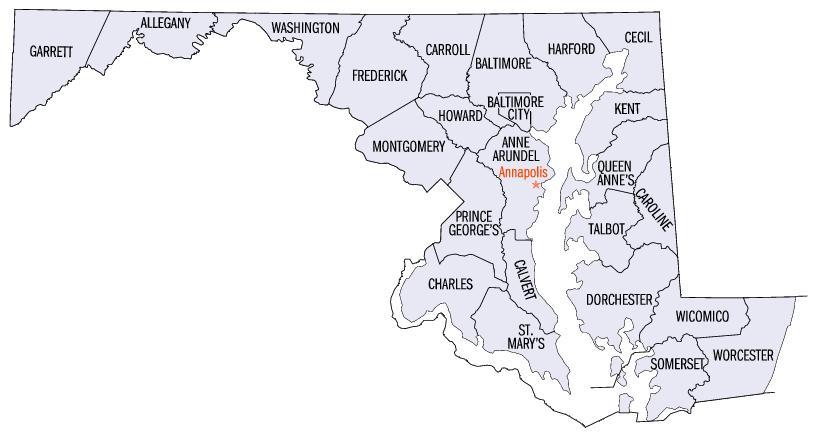
When you're doing business in Maryland, understanding the state's sales tax is essential. Home to historic cities like Baltimore and Annapolis, Maryland is known for its rich history and vibrant culture. In terms of taxes, the Maryland sales tax rate can range from Infinity% to -Infinity%. This page will break down what these rates include and explain how these rates are determined. So, whether you're a local retailer or an online seller reaching customers in Maryland, getting a grasp on the sales tax is crucial for keeping your business running smoothly and legally. Let’s dive in and simplify the process for you!


State Sales Tax Rate
NaN%
County Sales Tax Rate
Infinity% - -Infinity%
City Sales Tax Rate
Infinity% - -Infinity%
Special Sales Tax Rate
Infinity% - -Infinity%
Combined Sales Tax Rate
Infinity% - -Infinity%
Looking for a specific county?
Get your first Sales Tax filing free!
FlyFin CPAs offer precise sales tax filing with full audit insurance & a 100% money-back guarantee.


Trusted by 250k+ freelancers


What's in this article?
- Understanding Sales and Use Tax Basics
- Exploring the Differences in Maryland's Sales and Use Tax
- Deciphering Taxable and Non-Taxable Items in Maryland
- Uncovering Service Exemptions from Maryland Sales Tax
- Explaining Sales Tax Nexus and Its Effects on You
- Understanding Maryland Sales Tax Nexus Rates
- Maryland Sales Tax Return Deadlines
- Steps to Take if You Miss a Maryland Filing Deadline
- Preparing Your Sales Tax Return: A How-To Guide
- Obtaining a Sales Tax Permit in Maryland
Understanding Sales and Use Tax Basics
When it comes to shopping in Maryland, not everything has a tax tag attached to it. Understanding what falls under the md sales tax and what doesn’t can help you make more informed purchasing decisions. For starters, Maryland exempts certain essentials from sales tax, which is great news for your wallet. Items like fresh produce, meat, and dairy are typically free from sales tax, so that shopping cart full of apples and milk remains a little lighter on the cost side. Prescription medications are also exempt, meaning you don't pay additional taxes on your necessary prescriptions like antibiotics or blood pressure meds. On the flip side, most tangible goods like electronics, clothing, and furniture are taxable. So, if you're buying a new laptop or a comfy couch, expect to see that sales tax figure added at the checkout. But what about services? Spoiler alert: you might be surprised to see that some services don’t attract sales tax either! Maryland has specific rules when it comes to taxing services, which we will explore next. This nuanced understanding of taxable and non-taxable items allows both business owners and consumers to plan better.
Exploring the Differences in Maryland's Sales and Use Tax
When it comes to understanding sales tax in MD, it's important to recognize that while the state has a standard base sales tax rate of NaN, local county levels can add their own flavors to this rate. These county-level taxes mean that depending on where you make your purchase, the amount you pay in sales tax may vary. Whether you're buying everyday items or something larger like a car, knowing the local tax rate can help you budget better and avoid unexpected costs.
To get a clear picture of these varying rates across Maryland's counties, refer to the table below. This table will break down the specific sales tax rates by county, so you know exactly what to expect no matter where you're shopping across the state.
Sales Tax Rate in Major Counties of Maryland
Remember, you can also use the handy Sales Tax Calculator provided at the top of this page to quickly determine your potential tax costs without needing to sift through the table. This tool can be a real time-saver when you need quick answers!
By being aware of these regional differences, you'll be better prepared to manage your purchases and even explore tax-saving opportunities where possible. But wait, there's more! In the next section, we’ll dive deeper into what items are taxed and which ones are exempt, providing you with even more insights.
Sales Tax Rate in Major Counties of Maryland


Quick Tip :
If you're shopping around Maryland, double-check county tax rates to avoid surprises, and use FlyFin for seamless, precise tax calculations on all your purchases!
Deciphering Taxable and Non-Taxable Items in Maryland
When it comes to shopping in Maryland, not everything has a tax tag attached to it. Understanding what falls under the md sales tax and what doesn’t can help you make more informed purchasing decisions. For starters, Maryland exempts certain essentials from sales tax, which is great news for your wallet. Items like fresh produce, meat, and dairy are typically free from sales tax, so that shopping cart full of apples and milk remains a little lighter on the cost side. Prescription medications are also exempt, meaning you don't pay additional taxes on your necessary prescriptions like antibiotics or blood pressure meds. On the flip side, most tangible goods like electronics, clothing, and furniture are taxable. So, if you're buying a new laptop or a comfy couch, expect to see that sales tax figure added at the checkout. But what about services? Spoiler alert: you might be surprised to see that some services don’t attract sales tax either! Maryland has specific rules when it comes to taxing services, which we will explore next. This nuanced understanding of taxable and non-taxable items allows both business owners and consumers to plan better.
Uncovering Service Exemptions from Maryland Sales Tax
While most tangible goods like laptops, winter coats, and other items are hit with sales tax, Maryland offers relief by exempting many services from this tax, creating economic balance. For instance, professional services such as legal advice, accounting, and most consulting services are not directly taxed. This exemption means when you consult a lawyer or hire an accountant—perhaps you're seeking advice on the sales tax on electronics in Maryland—you're not paying extra in taxes for those services. Additionally, personal services like haircutting, lawn care, and pet grooming typically do not incur sales tax. Maryland's rules regarding services are part of why understanding your specific situation is beneficial; it affects how far your money can go and impacts purchasing decisions. As service exemptions offer some relief, understanding them can help adjust your priorities and spending strategies. However, the next concept of sales tax nexus can also significantly impact how taxes affect you, which we’ll break down next.
Explaining Sales Tax Nexus and Its Effects on You
A key term that often pops up in sales tax discussions is "nexus," which is essentially the link that determines whether a business must collect sales tax in a particular state. In simple terms, sales tax nexus occurs when a business has a significant presence or connection to a state, obligating it to collect sales tax from its customers there. Now, this might sound a bit abstract, but let’s bring it closer to home. Imagine you have an online store, and someone in Maryland orders a product from you. If your business holds a nexus in the state—like having a warehouse, an office, or even attending a trade show there—you'd be responsible for collecting the necessary Maryland sales tax. This rule applies whether you're selling shoes, jewelry, or even dealing in larger items, like automobiles, which might involve specifics of the maryland car sales tax. Understanding nexus is fundamental for any entrepreneur or business person engaging in multi-state operations. Next, we'll delve into the different types of nexus, helping you grasp all the ways your business activities can create a tax obligation in Maryland and beyond. These types will cover economic presence, physical presence, click-through relationships, and affiliate nexus to give a clearer picture of what might bind your business to specific tax duties.
What is Physical Nexus?


Physical nexus occurs when a business has a tangible presence in a state, like a store, warehouse, or office. For example, if you own a coffee shop in Maryland, you're required to collect and remit sales tax because your business is physically located there. This nexus type establishes clear tax obligations within the state.
What is Economic Nexus?

Economic nexus arises from generating a set amount of sales or transactions in a state, even without a physical presence. For instance, if an online retailer sells over 200 products or exceeds $100k in revenue within Maryland, they must collect sales tax, as their economic presence in Maryland qualifies them for tax obligations.
What is Affiliate Nexus?

Affiliate nexus exists when a business has ties with another entity in a state that helps it sell goods. For example, if your out-of-state business advertises through a Maryland-based blogger who earns commissions, your business may establish nexus there, requiring you to collect sales tax due to this affiliate relationship.
What is Click-Through Nexus?

Click-through nexus happens when a business uses online links from in-state websites to drive sales, creating tax obligations. For example, if a Maryland blog features links to your online store resulting in $10,000 in sales, your business may need to collect Maryland sales tax due to this click-through relationship.
Quick Tip :
Stay vigilant on changes in nexus laws; these shifts can suddenly impact your tax obligations. Consider using FlyFin to keep track of multi-state tax requirements seamlessly.
Understanding Maryland Sales Tax Nexus Rates
When considering the sales tax nexus rates in Maryland, it's important to understand that these rates are influenced by certain thresholds. Essentially, thresholds refer to the amount of sales or number of transactions that a business must reach to trigger tax obligations in the state. This means that if your business crosses these thresholds, you’re required to remit sales tax on your transactions in Maryland. This includes everything from small online purchases to significant buys like a car, which involves nuances like the Maryland car sales tax.
The table below outlines the specific nexus threshold limits which determine when your sales activities in Maryland become taxable.
Maryland Economic Nexus Threshold
Sales Threshold
- $100,000 or 200 transactions
- Evaluated over the current or previous calendar year
- Effective from October 1, 2018
Included Transactions
- Gross revenue from sales of tangible personal property delivered into the state
- Sales of software delivered into the state
- Digital goods delivered into the state
- Exempt sales of tangible personal property
- Exempt sales of software
- Exempt sales of digital goods
- Taxable services
- Sales made through a registered marketplace facilitator
Excluded Transactions
- Exempt services
Maryland Economic Nexus Threshold
Sales Threshold
- $100,000 or 200 transactions
- Evaluated over the current or previous calendar year
- Effective from October 1, 2018
Included Transactions
- Gross revenue from sales of tangible personal property delivered into the state
- Sales of software delivered into the state
- Digital goods delivered into the state
- Exempt sales of tangible personal property
- Exempt sales of software
- Exempt sales of digital goods
- Taxable services
- Sales made through a registered marketplace facilitator
Excluded Transactions
- Exempt services
Maryland Sales Tax Return Deadlines
Once you’ve crossed the nexus thresholds and begin collecting Maryland sales tax, knowing when to file your returns is crucial to stay compliant and avoid penalties. In Maryland, sales tax returns are typically due on a monthly, quarterly, or annual basis, depending on the volume of your sales and the schedule assigned by the tax authorities. Most businesses that have significant sales activity will need to file monthly returns by the 20th of the following month. For example, if you're filing for March, the return is due by April 20th. Smaller businesses with less frequent transactions might be placed on a quarterly or even an annual filing schedule. Understanding your specific filing requirements and schedules ensures that you remain compliant with Maryland’s tax laws. Knowing these deadlines helps you manage your responsibilities smoothly. Next, we'll discuss what to do if you find yourself missing a filing deadline in Maryland.
Quick Tip :
Set reminders for Maryland sales tax deadlines and consider using FlyFin to automate your filing process, minimizing the risk of missing important due dates.
Get instant answers to all your
sales tax questions with A.I.
Ask anything about taxes...
4.9 out of 5
Top questions asked by freelancers today
Steps to Take if You Miss a Maryland Filing Deadline
If you’ve found yourself missing a filing deadline for sales tax in MD, don't panic—there are steps you can take to rectify the situation and minimize any penalties. The first thing to do is file your overdue return as soon as possible. Even if you can't pay the tax owed immediately, filing the return can demonstrate your intent to comply with state regulations. Next, you should calculate any late fees or penalties that might apply. Maryland generally imposes a late filing penalty plus interest on the unpaid sales tax. Paying these promptly can help prevent additional charges from accruing. It's also a good idea to reach out to Maryland’s Comptroller’s Office if you're facing hardships, as they may offer options such as installment payment agreements. Understanding these steps can ease the stress of missed deadlines. In the following section, we'll cover how to effectively prepare your sales tax return to avoid delays in the future.
Preparing Your Sales Tax Return: A How-To Guide
Preparing your sales tax return typically involves a few essential steps to ensure accuracy and compliance. Initially, you’ll want to gather all necessary documents and records, such as sales receipts, invoices, and any documents that outline your sales transactions for the period in question. These documents are crucial for calculating the tax you owe and will play a significant role in your submission. Begin by determining which of your sales transactions are subject to Maryland sales tax, including specific cases like the maryland car sales tax if applicable. It’s vital to segregate taxable goods, such as electronics and furniture, from non-taxable items like prescription medications. Ensuring you only tax applicable sales will keep your records in order and avoid overpayment. Next, prepare to categorize your sales based on where they occurred, whether in-state or out-of-state, as this can impact your tax obligations and nexus status. Thoroughly understanding these areas ensures you accurately report sales made in Maryland. Now, let’s explore the details of identifying taxable sales transactions and pinpointing exact sales areas to further solidify your sales tax return process.
Pinpointing Taxable Sales Transactions
Recognizing Sales Locations
Get the right tax CPA for your sales tax today!
FlyFin CPAs offer precise sales tax filing at a 5x cheaper price.FlyFin also provides full audit insurance with a 100% money back guarantee.


Preparing your sales tax return might seem complex, especially when dealing with md state sales tax specifics. However, with the right tools and assistance, it doesn't have to be daunting. This is where FlyFin steps in as a game-changer. With Sales Tax CPAs backed by advanced AI, FlyFin ensures that your sales tax filings are handled with maximum accuracy and efficiency, minimizing errors and potential penalties. Moreover, FlyFin’s platform simplifies each step of the process, from identifying taxable sales to determining your nexus status. Their experienced team makes sure that you’re fully compliant with Maryland’s tax regulations, saving you both time and stress. To make things even easier, head to the top of this page and access their Sales Tax Calculator for quick estimates and insights. Let FlyFin guide you through a hassle-free tax filing experience, giving you peace of mind as you focus on your business’s growth.
Obtaining a Sales Tax Permit in Maryland
Securing a sales tax permit in Maryland is an important step for businesses that have surpassed nexus thresholds and need to collect md state sales tax. This permit legally authorizes your business to collect sales tax on behalf of the state, ensuring compliance with Maryland’s regulations. To obtain this permit, start by visiting the Maryland Comptroller's website, where you’ll find an online application form. The process usually involves providing basic business information, like your business name and type, federal identification number, and details about the products or services you’ll offer. It’s important to have all necessary documentation ready, as any discrepancies can delay approval. Once submitted, Maryland typically processes permits promptly, allowing you to start collecting sales tax without unnecessary interruptions. Remember, having this permit not only helps you meet legal obligations but also establishes your business as legitimate and trustworthy to customers and partners alike. Now that you understand the basics of obtaining a sales tax permit, we’ll wrap up with some final thoughts in the conclusion section.
Conclusion
Understanding Maryland's sales tax framework can seem daunting at first, but breaking it down into manageable pieces makes it approachable. We've explored the essentials, starting with the nuances of the md state sales tax, which is crucial for any business operating in or having interactions with Maryland. From identifying taxable and non-taxable items, we saw how everyday purchases like electronics are taxed, whereas groceries and prescription medications often aren't. We also delved into the concept of sales tax nexus—whether physical, economic, affiliate, or click-through—that decides when a business must collect sales tax. We provided you with insights on managing your responsibilities by pinpointing taxable sales transactions and recognizing areas of sale. On the administrative side, knowing the deadlines for sales tax returns and understanding how to handle missed deadlines can significantly reduce potential headaches. Using FlyFin, backed by AI and experienced CPAs, is a strategic choice to ensure your sales tax returns are accurate and compliant. FlyFin takes the hassle out of dealing with the intricacies of the tax code, from calculations to reporting. Lastly, obtaining a sales tax permit is a critical step in formalizing your sales activities. It ensures you're legally ready to collect and remit taxes, laying a solid foundation for your business's operations in Maryland. With this comprehensive knowledge, you’re well-equipped to manage your sales tax obligations effectively.
Automate sales tax calculation, reporting, and filing with FlyFin


Frequently Asked Questions
Does Maryland have sales tax?
How much is MD sales tax?
Do disabled veterans pay sales tax on vehicles in Maryland?
Does Maryland charge sales tax on services?
What items are exempt from sales tax in Maryland?
How to pay sales tax in Maryland?
Sales Tax in other states
Our sales tax guides provide an overview of sales tax rates, nexus thresholds, taxable and nontaxable items, along with other valuable tax knowledge for every U.S. state.
Alabama
Alaska
Arizona
Arkansas
California
Colorado
Connecticut
Delaware
District Of Columbia
Florida
Georgia
Hawaii
Idaho
Illinois
Indiana
Iowa
Kansas
Kentucky
Louisiana
Maine
Maryland
Massachusetts
Michigan
Minnesota
Mississippi
Missouri
Montana
Nebraska
Nevada
New Hampshire
New Jersey
New Mexico
New York
North Carolina
North Dakota
Ohio
Oklahoma
Oregon
Pennsylvania
Rhode Island
South Carolina
South Dakota
Tennessee
Texas
Utah
Vermont
Virginia
Washington
West Virginia
Wisconsin
Wyoming
Alabama
Alaska
Arizona
Arkansas
California
Colorado
Connecticut
Delaware
District Of Columbia
Florida
Georgia
Hawaii
Idaho
Illinois
Indiana
Iowa
Kansas
Kentucky
Louisiana
Maine
Maryland
Massachusetts
Michigan
Minnesota
Mississippi
Missouri
Montana
Nebraska
Nevada
New Hampshire
New Jersey
New Mexico
New York
North Carolina
North Dakota
Ohio
Oklahoma
Oregon
Pennsylvania
Rhode Island
South Carolina
South Dakota
Tennessee
Texas
Utah
Vermont
Virginia
Washington
West Virginia
Wisconsin
Wyoming
What’s FlyFin?


Expert tax CPAs ensure 100%-accurate tax filing

A.I. finds every tax deduction, eliminating 95% of your work

On average users save $3,700