Sales Tax Calculator
Find your sale taxes in a minute
Calculate Your Sales Tax with FlyFin
Automate your tax calculations and
filing with FlyFin
What do you sell?


Sales Tax Guide of
Washington
Sales Tax in Washington
Understanding the Washington state sales tax is crucial for both residents and businesses operating in the Evergreen State. Known for its lush landscapes and vibrant tech industry, Washington doesn't impose a personal state income tax, making its sales tax a significant source of revenue. The sales tax rates can range from Infinity% to -Infinity%, depending on the location. In this guide, we'll break down how these rates are determined and the various factors that can affect this range. Learn everything you need to navigate Washington's sales tax system, whether you're shopping in Seattle or running a small business in Spokane.


State Sales Tax Rate
NaN%
County Sales Tax Rate
Infinity% - -Infinity%
City Sales Tax Rate
Infinity% - -Infinity%
Special Sales Tax Rate
Infinity% - -Infinity%
Combined Sales Tax Rate
Infinity% - -Infinity%
Looking for a specific county?
Get your first Sales Tax filing free!
FlyFin CPAs offer precise sales tax filing with full audit insurance & a 100% money-back guarantee.


Trusted by 250k+ freelancers


What's in this article?
- Understanding Sales and Use Tax
- Why Washington's Sales and Use Tax Rates Differ
- What Goods and Services Are Taxable in Washington?
- Which Services Are Not Subject to Sales Tax in Washington?
- How Sales Tax Nexus Affects You
- Understanding Washington's Sales Tax Nexus Rates
- When Are Sales Tax Returns Due in Washington State?
- Steps to Take If You Miss a Sales Tax Filing Deadline in Washington
- Preparing Your Sales Tax Return: A Step-by-Step Guide
- How to Obtain a Sales Tax Permit in Washington
Understanding Sales and Use Tax
In Washington, understanding what goods and services are taxable can be quite helpful in everyday transactions. Most tangible personal items like clothing, electronics, and furniture are subject to sales tax. So, if you're picking up a new laptop in Seattle, you’ll see the sales tax applied at checkout. When it comes to groceries, basic necessities such as unprocessed foods like fruits, vegetables, and bread are typically exempt from sales tax. However, prepared foods or meals purchased at restaurants do get taxed. You won't find this exemption in every state; for instance, the Iowa sales tax system might handle these categories differently, with its own set of rules. Services in Washington can also be subject to sales tax. For instance, if you hire a landscaper or a janitorial service, sales tax is often tacked onto those charges. However, some services remain untaxed, which we’ll explore in more detail next. Next, let's dive into what specific services might be exempt from sales tax in Washington, helping you navigate those murky waters a little easier.
Why Washington's Sales and Use Tax Rates Differ
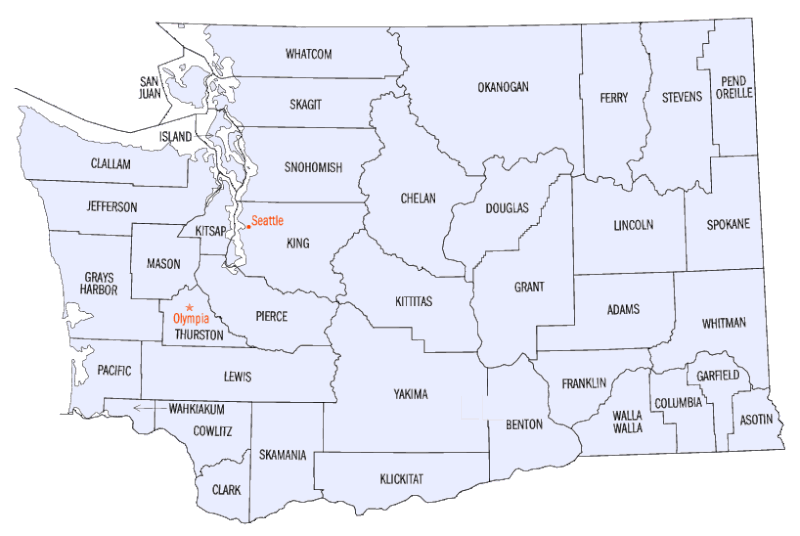
Washington's sales and use tax rates can vary widely from one area to another. While the state sets a baseline sales tax rate of NaN, local governments have the authority to levy additional taxes, leading to differences in total rates across counties and cities. This is why when you're buying something in Tacoma, you might notice a slightly different sales tax added to your purchase compared to what you'd pay in Bellevue.
To get a better understanding of how these rates differ, take a look at the table below highlighting sales tax rates by county throughout Washington. This can be especially useful if you're planning a trip across the state or run a business that ships products to various locations. For those who want an easier way to figure out the exact tax rate without sorting through the numbers, our handy Sales Tax Calculator at the top of the page can be a real time-saver.
Sales Tax Rate in Major Counties of Washington
After reviewing the table, it's clear that knowing the specific sales tax rate can help both shoppers and businesses make better financial decisions. This awareness is particularly important because certain areas can have higher overall tax rates due to additional local levies. Up next, we will look into the specifics of what types of goods and services are subject to sales tax in Washington state and what may be exempt.
Sales Tax Rate in Major Counties of Washington


Quick Tip :
If you're shopping or shipping in different parts of Washington, check local tax rates to avoid surprises at checkout. Using FlyFin can simplify tracking if you're unsure about specifics.
What Goods and Services Are Taxable in Washington?
In Washington, understanding what goods and services are taxable can be quite helpful in everyday transactions. Most tangible personal items like clothing, electronics, and furniture are subject to sales tax. So, if you're picking up a new laptop in Seattle, you’ll see the sales tax applied at checkout. When it comes to groceries, basic necessities such as unprocessed foods like fruits, vegetables, and bread are typically exempt from sales tax. However, prepared foods or meals purchased at restaurants do get taxed. You won't find this exemption in every state; for instance, the Iowa sales tax system might handle these categories differently, with its own set of rules. Services in Washington can also be subject to sales tax. For instance, if you hire a landscaper or a janitorial service, sales tax is often tacked onto those charges. However, some services remain untaxed, which we’ll explore in more detail next. Next, let's dive into what specific services might be exempt from sales tax in Washington, helping you navigate those murky waters a little easier.
Which Services Are Not Subject to Sales Tax in Washington?
While many services in Washington are subject to sales tax, there are several that remain exempt, providing some relief to both consumers and service providers. For instance, professional services like those offered by doctors, lawyers, and accountants are generally not subject to sales tax. So, if you consult a physician for a medical checkup or meet with a lawyer for legal advice in Seattle, you won’t find sales tax added to your bill. Another category of services that are often exempt includes educational services. This means tutoring sessions, classes from private schools, or any service geared towards education are typically sales tax-free. It's an important distinction, especially for students and professionals looking to enhance their skills. Additionally, many financial services, such as insurance and investment advice, are also exempt. This can vary from state to state, as places like Washington DC might handle sales tax in its unique way compared to other regions. In the upcoming section, we'll tackle the concept of sales tax nexus, explaining what it is and how it affects both businesses and consumers alike. Understanding this aspect can clarify why some businesses need to collect sales tax when others do not.
How Sales Tax Nexus Affects You
Sales tax nexus is a term that many consumers and businesses hear but might not fully understand. At its core, a sales tax nexus is a legal term that defines the connection between a business and a state. It's this connection that requires a business to collect and remit sales tax on transactions within that state. So, if you're shopping online and notice sales tax added to your order, it's likely because the business has a sales tax nexus in your state. For those living in Washington, the sales tax Washington State collects depends on these nexus rules. The implications for consumers are straightforward: it affects whether you'll pay sales tax on your purchases from certain retailers. For businesses, it means determining their obligations based on where they have a physical presence, significant sales, or other criteria that establish a nexus. Next, we'll explore the different types of nexus in detail. By understanding these, businesses can better comply with sales tax regulations and consumers can grasp why they might see sales tax on some purchases but not others. Look for the following section where we’ll break down the types of sales nexus and what they mean for you.
What is Physical Nexus?


Physical nexus refers to a business's physical presence in a state, such as an office, store, or warehouse. This presence requires the business to collect sales tax in that state. For example, if a clothing retailer opens a shop in Seattle, they have a physical nexus in Washington, meaning they must collect sales tax from customers in that state.
What is Economic Nexus?

Economic nexus is established when a business surpasses a threshold of sales or transactions in a state, even without physical presence. For instance, if an online retailer ships over a certain dollar amount of products to Washington customers, it triggers economic nexus, obligating them to collect sales tax in Washington despite no physical location there.
What is Affiliate Nexus?

Affiliate nexus occurs when a business has connections through affiliates or partners in a state. For example, if a company has an affiliate that refers customers to them in Washington and earns a commission from those sales, the business might be required to collect sales tax in Washington due to that indirect presence.
What is Click-Through Nexus?

Click-through nexus involves agreements where online retailers have links on a website that lead to their products, generating sales. For example, if a blogger in Washington includes links to an out-of-state retailer’s products and earns a commission on sales, the retailer might need to collect sales tax in Washington due to this click-through relationship.
Quick Tip :
Before making large online purchases, check if the retailer has a nexus in your state; this can affect your final cost. For simplified tracking of these taxes, consider using FlyFin.
Understanding Washington's Sales Tax Nexus Rates
Understanding how Washington sales tax applies under different nexus scenarios is key to ensuring compliance for businesses operating across state lines. The state has established specific thresholds that determine when a business is obligated to collect and remit sales tax, even if they don't have a physical presence like a storefront.
For economic nexus, Washington has set a threshold based on the amount of sales or the number of transactions within the state. A business that meets or exceeds this threshold through online sales or other activities must comply with Washington's tax regulations.
When it comes to click-through or affiliate nexus, partnerships or agreements with in-state affiliates may also trigger tax collection duties if they generate a certain level of sales. These thresholds are crucial for businesses to track in order to avoid unexpected tax liabilities.
Below, the table provides a detailed breakdown of Washington's sales tax nexus threshold limits for various scenarios, helping businesses understand when they're required to collect sales tax.
Washington Economic Nexus Threshold
Sales Threshold
- $100,000 in sales only
- Evaluated over the current or previous calendar year
- Effective from October 1, 2018
Included Transactions
- Cumulative gross annual income
- Exempt sales
- Services (taxable and exempt)
- Sales for resale
- Sales made through a registered marketplace facilitator
Excluded Transactions
- None
Washington Economic Nexus Threshold
Sales Threshold
- $100,000 in sales only
- Evaluated over the current or previous calendar year
- Effective from October 1, 2018
Included Transactions
- Cumulative gross annual income
- Exempt sales
- Services (taxable and exempt)
- Sales for resale
- Sales made through a registered marketplace facilitator
Excluded Transactions
- None
When Are Sales Tax Returns Due in Washington State?
For businesses that operate within the state of Washington, understanding the deadlines for filing sales tax returns is crucial to avoid penalties. The frequency with which you need to file sales tax returns in Washington depends on the volume of your sales. Businesses with higher sales volumes might be required to file monthly, while those with lower sales could file quarterly or annually. Monthly filers generally need to submit their sales tax returns by the 25th of the following month. For example, a business would need to file its January sales tax return by February 25th. Quarterly filers must meet their quarterly deadlines, usually by the last day of the month following the quarter-end, while annual filers have until January 31st of the following year. Timely filing ensures compliance and avoids late fees or interest charges. If more information is needed or deadlines are missed, businesses can take corrective actions, which we'll discuss next. Understanding these requirements helps maintain good standing with the Department of Revenue.
Quick Tip :
Set reminders for sales tax filing deadlines to avoid late fees and interest. Using FlyFin can help streamline the process and ensure timely submissions.
Get instant answers to all your
sales tax questions with A.I.
Ask anything about taxes...
4.9 out of 5
Top questions asked by freelancers today
Steps to Take If You Miss a Sales Tax Filing Deadline in Washington
Missing a sales tax filing deadline in Washington state can happen to the best of us, but prompt action can minimize penalties. First, file your return as soon as possible, even if you can't pay the amount owed immediately. Timely filing helps reduce late penalties on the sales tax in Washington state. Next, contact the Washington Department of Revenue. They may offer payment plan options if you're unable to pay the full amount right away. Establishing communication can demonstrate your willingness to comply. Finally, review your filing processes to prevent future delays. Consider setting automated calendar reminders or using tools like FlyFin to streamline and track tax responsibilities more efficiently. Following these steps can help you manage missed deadlines more effectively. Up next, we'll provide helpful strategies on how to prepare your sales tax return accurately and efficiently.
Preparing Your Sales Tax Return: A Step-by-Step Guide
Preparing your sales tax return in Washington involves several key steps to ensure accuracy and compliance. Firstly, gather all your sales records, including invoices and receipts, as these documents will be crucial in verifying your reported sales figures. Make sure to distinguish between taxable and non-taxable sales, as this affects the total Washington sales tax due. Accurate record-keeping is vital, especially for businesses with various products or services. It's important to segregate sales that are exempt from those that are taxable to avoid overpaying or underpaying taxes. Keep detailed records of any exempt sales, such as wholesale transactions or sales to tax-exempt entities, as these will be necessary in the event of an audit. Moreover, it's important to understand how different regions within Washington state can affect your tax calculations since sales tax rates can vary. Once you have the data ready, utilize Washington’s online portal or trusted software to file your sales tax return. Next, we will explore how to identify taxable sales transactions and determine areas of sale, both critical components in preparing your sales tax return efficiently.
Recognizing Taxable Sales Transactions
Determining Sales Locations
Get the right tax CPA for your sales tax today!
FlyFin CPAs offer precise sales tax filing at a 5x cheaper price.FlyFin also provides full audit insurance with a 100% money back guarantee.


Successfully preparing your sales tax return requires careful attention to detail, from recognizing taxable transactions and determining sales locations to keeping accurate records. Each step is vital for compliance with sales tax Washington State regulations. However, for many business owners, the process can be daunting and time-consuming. This is where FlyFin can make a significant difference. With expert Sales Tax CPAs and advanced AI technology, FlyFin can help ensure your sales tax returns are filed with maximum accuracy and efficiency. By leveraging FlyFin's capabilities, you can streamline this process and focus more on running your business. To get started, check out the FlyFin Sales Tax Calculator at the top of this page. It’s designed to simplify your tax calculations and ensure you’re paying the correct amount, saving you time and reducing the potential for errors.
How to Obtain a Sales Tax Permit in Washington
To collect sales tax in Washington, businesses must first secure a sales tax permit. This important step allows you to legally collect and remit sales tax Washington requires for transactions within the state. To obtain a permit, you need to register your business with the Washington Department of Revenue. This is typically done online and involves creating an account, providing details about your business, and specifying the types of activities you'll be conducting. Once submitted, the Department of Revenue will issue your Business License with the sales tax permit as part of it. It's essential for all businesses conducting taxable sales in Washington to have this permit to avoid legal complications and ensure compliance. With your permit in hand, you'll be ready to collect sales tax and remit it to the state accordingly. Following this process ensures transparency and compliance with tax regulations. Up next, we'll conclude our guide on navigating Washington’s sales tax system, reaffirming the importance of each of the steps we’ve covered.
Conclusion
In conclusion, understanding sales tax in Washington is a vital skill for both residents and businesses. We've covered a range of topics, starting with the basics of sales and use tax, and how they impact your everyday transactions. Knowing which goods and services are taxable and which are exempt helps you make informed purchasing decisions, whether you're a consumer or a business owner. The concept of sales tax nexus helps explain why some online purchases have sales tax while others do not, based on the business's connection to Washington. We've also delved into the importance of accurately identifying taxable sales transactions and understanding where these sales occur, since regional tax rates can vary. For business owners, timely and accurate sales tax return preparation is crucial. Recognizing taxable transactions, determining sales locations, and maintaining consistent record-keeping practices are all integral parts of the process. Obtaining a sales tax permit is another critical step, establishing your business's legitimacy and readiness to operate within state guidelines. For those finding the process daunting or time-consuming, FlyFin offers a significantly streamlined approach. With expert advice and AI technology at your fingertips, FlyFin can help ensure your returns are accurate, compliant, and filed on time. All these elements work together to provide a comprehensive understanding of sales tax in Washington, ensuring you remain compliant and can plan financially with confidence. Use the FlyFin Sales Tax Calculator to assist you in these efforts, providing a tool that simplifies the calculations and ensures accuracy.
Automate sales tax calculation, reporting, and filing with FlyFin


Frequently Asked Questions
What is Washington state sales tax?
Does Washington have sales tax?
What is WA sales tax?
Does Washington state have sales tax?
When is Washington sales tax due?
Does Washington have appliance sales tax?
Does Washington have sales tax on clothes?
Sales Tax in other states
Our sales tax guides provide an overview of sales tax rates, nexus thresholds, taxable and nontaxable items, along with other valuable tax knowledge for every U.S. state.
Alabama
Alaska
Arizona
Arkansas
California
Colorado
Connecticut
Delaware
District Of Columbia
Florida
Georgia
Hawaii
Idaho
Illinois
Indiana
Iowa
Kansas
Kentucky
Louisiana
Maine
Maryland
Massachusetts
Michigan
Minnesota
Mississippi
Missouri
Montana
Nebraska
Nevada
New Hampshire
New Jersey
New Mexico
New York
North Carolina
North Dakota
Ohio
Oklahoma
Oregon
Pennsylvania
Rhode Island
South Carolina
South Dakota
Tennessee
Texas
Utah
Vermont
Virginia
Washington
West Virginia
Wisconsin
Wyoming
Alabama
Alaska
Arizona
Arkansas
California
Colorado
Connecticut
Delaware
District Of Columbia
Florida
Georgia
Hawaii
Idaho
Illinois
Indiana
Iowa
Kansas
Kentucky
Louisiana
Maine
Maryland
Massachusetts
Michigan
Minnesota
Mississippi
Missouri
Montana
Nebraska
Nevada
New Hampshire
New Jersey
New Mexico
New York
North Carolina
North Dakota
Ohio
Oklahoma
Oregon
Pennsylvania
Rhode Island
South Carolina
South Dakota
Tennessee
Texas
Utah
Vermont
Virginia
Washington
West Virginia
Wisconsin
Wyoming
What’s FlyFin?


Expert tax CPAs ensure 100%-accurate tax filing

A.I. finds every tax deduction, eliminating 95% of your work

On average users save $3,700