
Sales Tax Calculator
Find your sale taxes in a minute
Calculate Your Sales Tax with FlyFin
Automate your tax calculations and
filing with FlyFin
What do you sell?


Sales Tax Guide of
Georgia
Sales Tax in Georgia
Georgia, known for its peaches, southern hospitality, and the bustling city of Atlanta, has a diverse economic landscape. Understanding sales tax in Georgia is important for both residents and businesses, especially since tax rates can vary across different locations within the state. The sales tax rate in Georgia ranges from Infinity% to -Infinity%, depending on the specific jurisdiction. In this section, we'll break down the composition of these rates, helping you comprehend how the state, county, and local factors come together to determine the total tax rate. Whether you're a business owner selling goods or a resident navigating purchases, this guide will be your go-to resource for everything related to sales tax in Georgia.


State Sales Tax Rate
NaN%
County Sales Tax Rate
Infinity% - -Infinity%
City Sales Tax Rate
Infinity% - -Infinity%
Special Sales Tax Rate
Infinity% - -Infinity%
Combined Sales Tax Rate
Infinity% - -Infinity%
Looking for a specific county?
Get your first Sales Tax filing free!
FlyFin CPAs offer precise sales tax filing with full audit insurance & a 100% money-back guarantee.


Trusted by 250k+ freelancers


What's in this article?
- Understanding Sales and Use Tax
- Variations in Georgia's Sales and Use Tax Rates
- Taxable vs. Non-Taxable Items in Georgia
- Services Exempt from Sales Tax in Georgia
- Understanding Sales Tax Nexus and Its Effects
- Sales Tax Nexus Rates in Georgia
- Sales Tax Return Deadlines in Georgia
- Steps to Take If You Miss a Filing Deadline in Georgia
- Preparing Your Sales Tax Return
- Obtaining a Sales Tax Permit in Georgia
Understanding Sales and Use Tax
In Georgia, not everything you buy is subject to sales tax, which can be quite a relief when you’re shopping or planning major expenses. Generally, tangible personal items that you purchase, like electronics, furniture, and clothing, are taxable. So, if you’re eyeing that new TV or planning a wardrobe upgrade, be prepared for the sales tax to kick in. On the flip side, essential items often dodge these taxes. For example, most fresh produce, meats, and bread belong to the non-taxable category, making grocery shopping a bit easier on the wallet. Similarly, prescription medications, like antibiotics or insulin, are also exempt, benefiting those who need consistent medical care. These exemptions help ease the burden on families and individuals when it comes to basic living and healthcare costs. If you're navigating larger transactions, like selling your home, different rules apply. While the capital gains tax on home sales is more about profits and occurs during selling, it's essential to be aware of what sales taxes apply during other related transactions, such as buying furnishings or appliances for the next place. As we dive into the next topic, you'll discover which services are generally exempt from sales tax in Georgia, helping you budget even better for those upcoming projects.
Variations in Georgia's Sales and Use Tax Rates
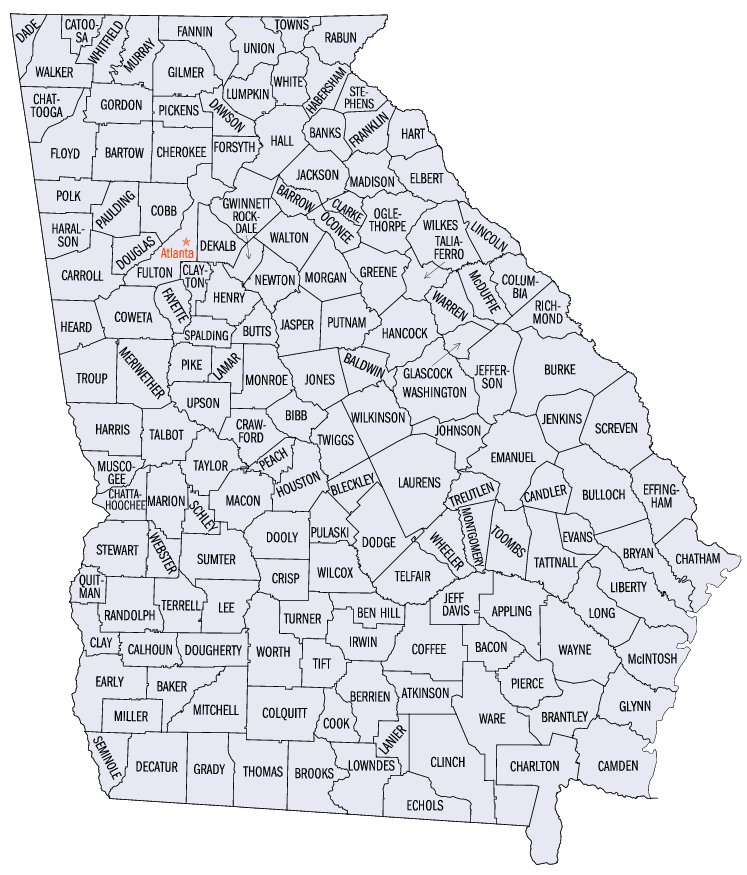
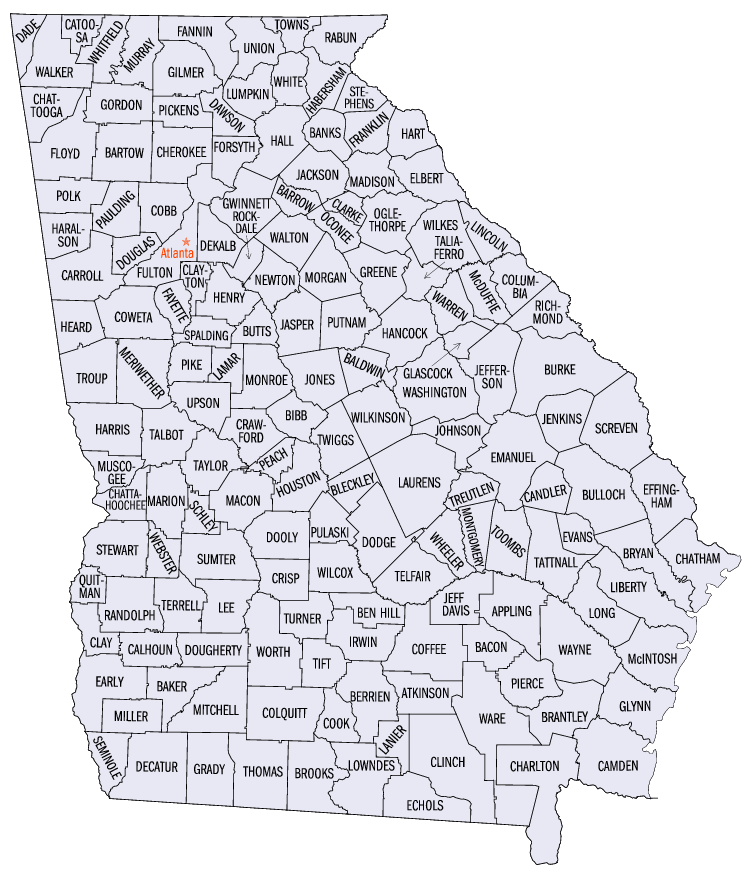
Georgia's sales and use tax rates can vary quite a bit, depending on where you are in the state. While there's a state sales tax that currently stands at around NaN, each county might add its own twist by tacking on extra local taxes. This means that the total sales tax could be different in Atlanta compared to, say, Savannah or even smaller towns like Dawsonville.
To get a clearer picture, check out the table below, which outlines the sales tax rates for various counties across Georgia. Here, you'll see how the combination of state, county, and local taxes makes up the total sales tax you pay in each area. If numbers aren't your thing, consider using our handy Sales Tax Calculator at the top of the page to simplify your calculations.
Sales Tax Rate in Major Counties of Georgia
Understanding these variations is especially useful if you're into big purchases or considering the capital gains tax on home sale transactions. Each county’s specific tax rate can significantly impact the total amount you'll pay, whether you're buying everyday items or handling larger transactions. As we move forward, let's explore what items are subject to these taxes and which might get a free pass.
Sales Tax Rate in Major Counties of Georgia


Quick Tip :
Keep an eye out for any updates in local tax rates, as they can change and affect your overall costs. Staying informed ensures you’re not surprised by unexpected tax hikes.
Taxable vs. Non-Taxable Items in Georgia
In Georgia, not everything you buy is subject to sales tax, which can be quite a relief when you’re shopping or planning major expenses. Generally, tangible personal items that you purchase, like electronics, furniture, and clothing, are taxable. So, if you’re eyeing that new TV or planning a wardrobe upgrade, be prepared for the sales tax to kick in. On the flip side, essential items often dodge these taxes. For example, most fresh produce, meats, and bread belong to the non-taxable category, making grocery shopping a bit easier on the wallet. Similarly, prescription medications, like antibiotics or insulin, are also exempt, benefiting those who need consistent medical care. These exemptions help ease the burden on families and individuals when it comes to basic living and healthcare costs. If you're navigating larger transactions, like selling your home, different rules apply. While the capital gains tax on home sales is more about profits and occurs during selling, it's essential to be aware of what sales taxes apply during other related transactions, such as buying furnishings or appliances for the next place. As we dive into the next topic, you'll discover which services are generally exempt from sales tax in Georgia, helping you budget even better for those upcoming projects.
Services Exempt from Sales Tax in Georgia
While Georgia charges sales tax on many physical goods, you'll be glad to know that some specific services are exempt from this tax. This can be a budget saver if you’re managing costs for personal or business-related services. For instance, professional services such as those provided by doctors and dentists are not subject to ga sales tax. So your routine check-ups or dental cleanings won't have extra costs tacked on due to sales tax. Moreover, educational services, such as tutoring or online courses, also benefit from being sales tax-free, making it easier for students and parents alike when investing in learning resources. Additionally, personal services like haircuts or manicures fall into the non-taxable category, reducing your out-of-pocket expenses when you decide to treat yourself. Understanding these exemptions is important, particularly when planning your finances or managing a budget. As we proceed, we’ll get into the concept of sales tax nexus and its impact on how ga sales tax might apply to you, especially if you’re running a business or making purchases from outside the state.
Understanding Sales Tax Nexus and Its Effects
Sales tax nexus is a concept that might seem complex at first, but it's crucial to grasp, especially if you're involved in business or shop online. In simple terms, sales tax nexus determines whether a business needs to collect Georgia sales tax from customers within the state. This connection, or "nexus," is established when a business has a significant presence in Georgia. The presence doesn’t necessarily mean physical stores alone; it could also be a warehouse, office, or even having employees in the state. Additionally, economic activities like making sales exceeding a certain threshold to Georgia residents can create a nexus. This means that if your business meets any of these criteria, you're required to collect and remit Georgia sales tax. Understanding the nuances of sales tax nexus helps businesses comply with tax laws and avoid potential penalties. It also affects consumers, particularly on how out-of-state purchases might be taxed. As we move into the next section, we’ll break down the different types of sales nexus, offering a clearer picture of how each might impact your business activities in Georgia.
What is Physical Nexus?


Physical nexus occurs when a business has a physical presence in Georgia, such as a store, office, or warehouse. For example, if a company has a retail outlet in Atlanta, it has a physical nexus and must collect Georgia sales tax on purchases made from that location. Physical presence is a key trigger for tax obligations in the state.
What is Economic Nexus?

Economic nexus is established based on the sales revenue generated in Georgia, even without a physical presence. For instance, if an online retailer sells over a certain dollar amount or makes a specific number of sales to Georgia residents, it creates an economic nexus. This means they must collect Georgia sales tax on those transactions.
What is Affiliate Nexus?

Affiliate nexus arises when a business in Georgia uses affiliates to promote its products. For example, if a business has local bloggers who earn a commission by linking to its site, this connection creates an affiliate nexus. As a result, the business must collect Georgia sales tax on sales generated through these affiliates in the state.
What is Click-Through Nexus?

Click-through nexus happens when a business gains sales through online links from Georgia-based websites. For example, if local websites earn a commission for directing traffic to an out-of-state retailer, it creates a click-through nexus. The retailer then needs to collect Georgia sales tax on these directed sales.
Quick Tip :
Consider using FlyFin to easily determine your business's nexus status and ensure compliance with Georgia sales tax laws, saving you time and potential fines.
Sales Tax Nexus Rates in Georgia
Understanding the sales tax nexus rates in Georgia is essential for businesses, especially those dealing with online transactions. When a nexus is established, companies must apply the Georgia sales tax to their sales within the state. This means adhering to specific thresholds that determine when tax collection is necessary.
The thresholds define both the revenue and transaction count that trigger a nexus. For instance, if an online business exceeds these limits in sales or number of sales transactions to Georgia residents, it must collect ga sales tax on those sales. To give you a clearer picture of these limits, see the table below, which outlines the sales tax nexus threshold limits in Georgia.
Georgia Economic Nexus Threshold
Sales Threshold
- $100,000 or 200 transactions
- Evaluated over the current or previous calendar year
- Effective from January 1, 2019
Included Transactions
- Gross revenue from retail sales of tangible personal property delivered electronically or physically to a location in the state for consumption, use, or storage in the state
- Exempt sales
Excluded Transactions
- Services (taxable and exempt)
- Exempt resales
- Sales made through a registered marketplace facilitator
Georgia Economic Nexus Threshold
Sales Threshold
- $100,000 or 200 transactions
- Evaluated over the current or previous calendar year
- Effective from January 1, 2019
Included Transactions
- Gross revenue from retail sales of tangible personal property delivered electronically or physically to a location in the state for consumption, use, or storage in the state
- Exempt sales
Excluded Transactions
- Services (taxable and exempt)
- Exempt resales
- Sales made through a registered marketplace facilitator
Sales Tax Return Deadlines in Georgia
Staying on top of sales tax return deadlines in Georgia is crucial for businesses to remain compliant and avoid penalties. Typically, the frequency with which you need to file depends on your sales volume. Small businesses may file quarterly, while larger ones might file monthly. The key is understanding when your business is scheduled to report and remit the sales tax in Georgia. These deadlines ensure that the taxes collected are submitted to the Georgia Department of Revenue on time. For example, if your business files monthly, the sales tax return is generally due by the 20th of the following month. This means keeping track of your sales and taxes collected each month to ensure timely submission. As deadlines approach, being aware of your filing responsibilities is vital to avoid any hiccups. Up next, we'll discuss the steps to take if you happen to miss a filing deadline in Georgia.
Quick Tip :
Set reminders for your sales tax filing deadlines to avoid late submissions. Using FlyFin can also help automate the tracking and filing processes to ensure timely compliance.
Get instant answers to all your
sales tax questions with A.I.
Ask anything about taxes...
4.9 out of 5
Top questions asked by freelancers today
Steps to Take If You Miss a Filing Deadline in Georgia
Missing a sales tax filing deadline in Georgia can be stressful, but there are steps you can take to mitigate potential penalties and get back on track. First, file your return as soon as possible, even if you can't pay the full amount due. The Georgia Department of Revenue tends to look more favorably on those who take prompt action. Next, be proactive in paying any taxes due, even if it's a partial payment. This shows good faith and can help reduce additional interest charges on the balance. Don't hesitate to contact the Georgia Department of Revenue if you're struggling to pay. They may offer payment plans to ease the burden. Lastly, keep your records organized to prevent future lapses. By staying organized, you can avoid similar issues when dealing with other tax concerns, such as the capital gains tax on home sale transactions. As we move forward, let's dive into how to prepare your sales tax return efficiently to ensure you’re always ahead of the game.
Preparing Your Sales Tax Return
Preparing your sales tax return in Georgia involves a few key steps to ensure accuracy and compliance. First, gather all your sales records for the reporting period. This includes invoices, receipts, and any electronic transaction records. Be meticulous in collecting this data as Georgia sales tax is calculated based on your gross sales. Next, distinguish between taxable and non-taxable transactions. Understanding which sales are subject to Georgia sales tax is crucial. This will help you correctly calculate the amount of sales tax you need to remit. As tax laws may change, staying informed about which products and services are taxable is essential. Additionally, categorize your sales based on the location of the sale. Since Georgia has different tax rates for different areas, accurately identifying where each sale took place helps determine the appropriate tax rate to apply. Clear records ensure smoother filing and can save you from potential audits or discrepancies with the Georgia Department of Revenue. Let's now explore the process of identifying taxable sales transactions and pinpointing areas of sale, ensuring that your sales tax return preparation is as efficient as possible.
Determining Taxable Sales Transactions
Pinpointing Sales Locations
Get the right tax CPA for your sales tax today!
FlyFin CPAs offer precise sales tax filing at a 5x cheaper price.FlyFin also provides full audit insurance with a 100% money back guarantee.


As you navigate the complexities of preparing your sales tax return, having a reliable partner by your side can make all the difference. FlyFin offers just that, combining the expertise of seasoned Sales Tax CPAs with the precision of cutting-edge AI technology. This collaboration ensures that your Georgia sales tax returns are filed with maximum accuracy, reducing the stress and workload on your end. Whether you're dealing with transactions in bustling Atlanta or specific nuances like hall Georgia tax sales home, FlyFin's personalized approach can help accommodate your distinct needs. By utilizing FlyFin to streamline your sales tax process, you gain access to accurate calculations and filing services that help you stay compliant and focused on growing your business. Click to visit FlyFin and explore our Sales Tax Calculator at the top of the page for a seamless start!
Obtaining a Sales Tax Permit in Georgia
To legally collect ga sales tax from customers, businesses need to secure a sales tax permit in Georgia. The process is straightforward and typically done through the Georgia Tax Center online. Start by creating an account on the platform, which allows you to submit your application electronically. Make sure to have key business details ready, such as your business name, address, and federal employer identification number (FEIN). After submitting the application, you will receive confirmation and your sales tax number. This number is essential for all transactions where sales tax is involved and must be displayed in your place of business. Once registered, you're officially able to collect and remit ga sales tax, keeping your business compliant with state regulations. As you continue to navigate these requirements and maintain compliance, our next section will offer a comprehensive conclusion to tie together all the tax insights we've explored.
Conclusion
In summary, understanding the ins and outs of ga sales tax is crucial for both businesses and consumers in Georgia. Starting from the basics, we've learned that sales tax applies to various items, and it's important to distinguish between taxable and non-taxable goods to ensure accurate tax calculations. Identifying the location of sales also plays a significant role, as different areas in Georgia have varying sales tax rates. Sales tax nexus is a key concept affecting businesses, determining when they must collect ga sales tax based on physical, economic, affiliate, or click-through factors. This is particularly relevant for online businesses and those with diverse sales channels. With clear thresholds in place, businesses need to stay informed about when nexus establishes their obligation to collect taxes. We've ensured that you're prepared with information on filing sales tax returns and understanding deadlines, so you can maintain compliance and avoid penalties. FlyFin emerges as a valuable partner in this journey, offering a blend of expert guidance and AI precision to help with sales tax returns and inquiries. Lastly, obtaining a sales tax permit is essential for any business intending to collect sales tax legally. Registering through the Georgia Tax Center ensures you're set up correctly. By following these guidelines, you can handle your sales tax responsibilities competently, ensuring smooth business operations and adherence to state requirements.
Automate sales tax calculation, reporting, and filing with FlyFin


Frequently Asked Questions
What is Georgia auto sales tax?
What items are exempt from sales tax in Georgia?
Does Georgia have sales tax?
Do disabled veterans pay sales tax on vehicles in Georgia?
Does Georgia collect sales tax on out-of-state purchases?
Does Georgia have appliance sales tax?
Does Georgia have sales tax on clothes?
Sales Tax in other states
Our sales tax guides provide an overview of sales tax rates, nexus thresholds, taxable and nontaxable items, along with other valuable tax knowledge for every U.S. state.
Alabama
Alaska
Arizona
Arkansas
California
Colorado
Connecticut
Delaware
District Of Columbia
Florida
Georgia
Hawaii
Idaho
Illinois
Indiana
Iowa
Kansas
Kentucky
Louisiana
Maine
Maryland
Massachusetts
Michigan
Minnesota
Mississippi
Missouri
Montana
Nebraska
Nevada
New Hampshire
New Jersey
New Mexico
New York
North Carolina
North Dakota
Ohio
Oklahoma
Oregon
Pennsylvania
Rhode Island
South Carolina
South Dakota
Tennessee
Texas
Utah
Vermont
Virginia
Washington
West Virginia
Wisconsin
Wyoming
Alabama
Alaska
Arizona
Arkansas
California
Colorado
Connecticut
Delaware
District Of Columbia
Florida
Georgia
Hawaii
Idaho
Illinois
Indiana
Iowa
Kansas
Kentucky
Louisiana
Maine
Maryland
Massachusetts
Michigan
Minnesota
Mississippi
Missouri
Montana
Nebraska
Nevada
New Hampshire
New Jersey
New Mexico
New York
North Carolina
North Dakota
Ohio
Oklahoma
Oregon
Pennsylvania
Rhode Island
South Carolina
South Dakota
Tennessee
Texas
Utah
Vermont
Virginia
Washington
West Virginia
Wisconsin
Wyoming
What’s FlyFin?


Expert tax CPAs ensure 100%-accurate tax filing

A.I. finds every tax deduction, eliminating 95% of your work

On average users save $3,700