Sales Tax Calculator
Find your sale taxes in a minute
Calculate Your Sales Tax with FlyFin
Automate your tax calculations and
filing with FlyFin
What do you sell?


Sales Tax Guide of
Fulton
Sales Tax in Fulton County, Georgia
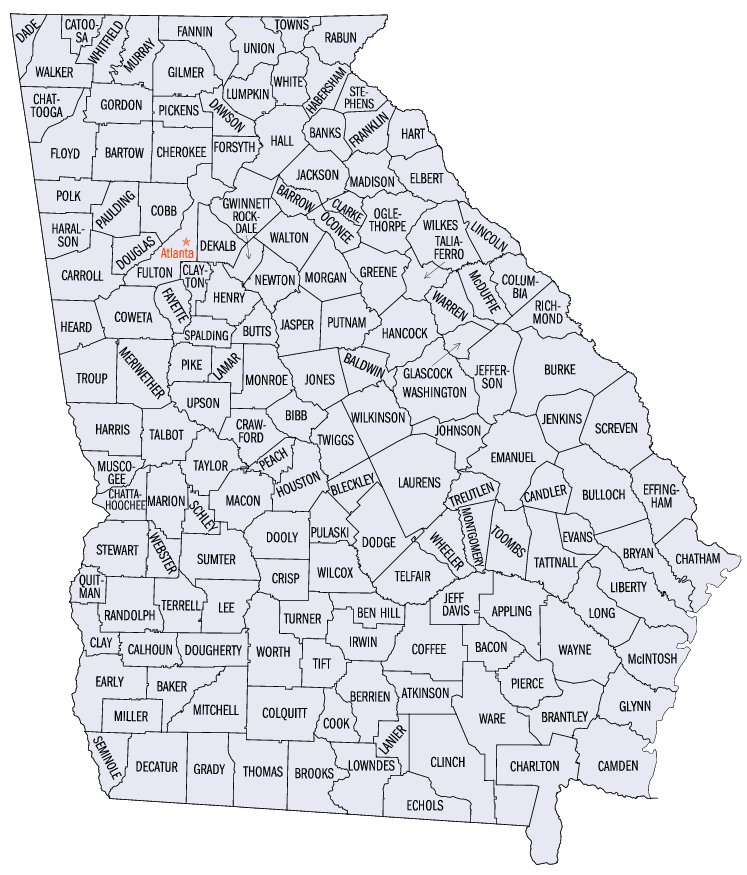
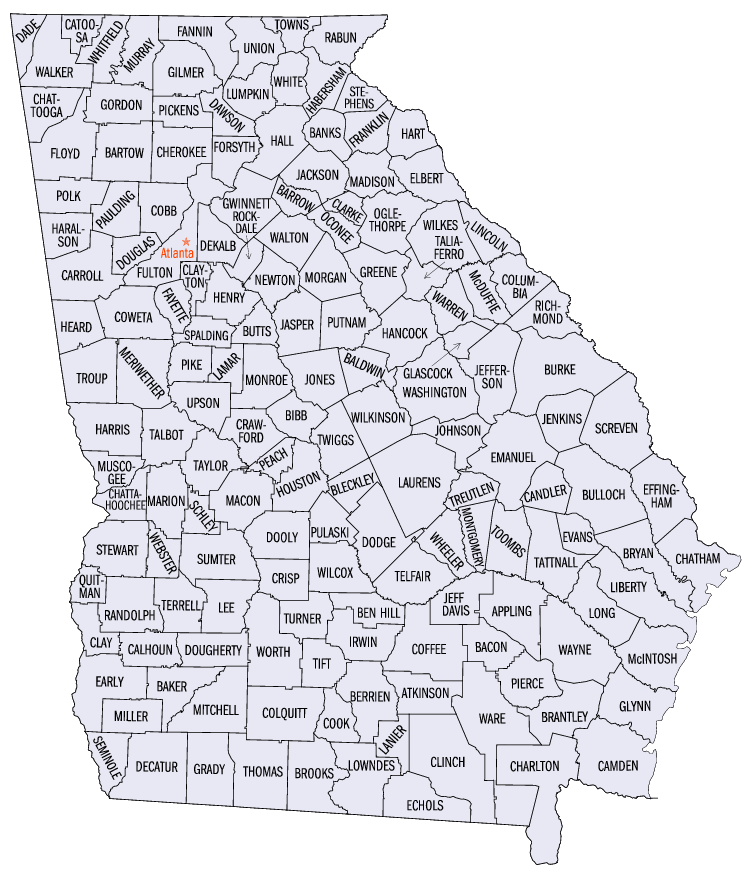
Fulton County, Georgia, part of the bustling Atlanta metropolitan area, is known for its vibrant culture and diverse economy. As you explore the ins and outs of doing business or shopping in this region, understanding the sales tax rates is important. Sales tax in Fulton County can vary, typically ranging from Infinity% to -Infinity%, depending on where in the county you are located. This page breaks down how the atlanta fulton county sales tax is calculated, combining state, county, and sometimes city taxes to give you that total rate. Whether you're a business owner or a resident, knowing these details will help you make informed financial decisions in the heart of Georgia.


State Sales Tax Rate
NaN%
County Sales Tax Rate
Infinity% - -Infinity%
City Sales Tax Rate
Infinity% - -Infinity%
Special Sales Tax Rate
Infinity% - -Infinity%
Combined Sales Tax Rate
Infinity% - -Infinity%
Looking for a specific city?
Get your first Sales Tax filing free!
FlyFin CPAs offer precise sales tax filing with full audit insurance & a 100% money-back guarantee.


Trusted by 250k+ freelancers


What's in this article?
- Understanding Sales and Use Tax
- Variations in Sales and Use Tax Across Fulton County, Georgia
- What Goods and Services are Taxable in Fulton County?
- Which Services Are Sales Tax-Exempt in Fulton County, Georgia?
- Understanding Sales Tax Nexus and Its Impact on You
- Sales Tax Nexus Rates in Fulton County, Georgia
- Sales Tax Return Deadlines in Fulton County, Georgia
- Steps to Take If You Miss a Filing Deadline in Fulton County, Georgia
- Preparing Your Sales Tax Return: A Step-by-Step Guide
- Obtaining a Sales Tax Permit in Fulton County, Georgia
Understanding Sales and Use Tax
Understanding what goods and services are taxable in Fulton County is key to managing your finances effectively. Generally, the sales tax in Fulton County GA applies to most tangible goods. This means when you buy items like electronics, clothing, or furniture, you can expect to pay the applicable sales tax. However, some items and services are exceptions to the rule. For instance, many essential groceries such as fruits, vegetables, and bread do not incur sales tax. On the other hand, prepared foods, like those you might buy at a restaurant or deli, are typically taxable. Prescription medications like antibiotics or insulin are also exempt, making healthcare more accessible to those in need. In terms of services, many basic service industries like automotive repairs, salon services, and construction are subject to sales tax. However, the rules on services can sometimes be tricky, as not all services are taxable. This is why it's crucial to know the specific taxes your purchases might incur in Fulton County. The following section will dive into specific services that might be exempt from sales tax, providing even more clarity for your everyday transactions.
Variations in Sales and Use Tax Across Fulton County, Georgia
Sales and use taxes can differ across various cities in Fulton County, Georgia, which can sometimes lead to confusion. The sales tax for Fulton County is composed of several layers, including the state portion, currently set at NaN, along with additional local levies. As a result, the rates can vary depending on the specific city you are in.
For example, if you're in a city like Atlanta, you may notice that the sales tax rate incorporates extra funds that the city levies for its projects and services. These differences imply that your purchases can be taxed at varying rates depending on your location within the county. To streamline this process, our page features an easy-to-use Sales Tax Calculator that allows you to quickly determine the applicable tax based on your city and purchase. Additionally, you can consult the detailed table below, which outlines the different sales tax rates across various cities within Fulton County:
Sales Tax Rate in Cities of Fulton County, Georgia
This table offers a clear understanding of how the rate changes based on specific cities. It serves as practical knowledge for both residents and businesses seeking to remain informed and budget effectively. After reviewing the rates, you'll gain a comprehensive insight into how your tax dollars are utilized in each city.
Sales Tax Rate in Cities of Fulton County, Georgia


Quick Tip :
Always double-check your specific location's rates, as cities within Fulton County may add extra sales tax for local projects. Use FlyFin to stay updated and ensure accurate tax calculations.
What Goods and Services are Taxable in Fulton County?
Understanding what goods and services are taxable in Fulton County is key to managing your finances effectively. Generally, the sales tax in Fulton County GA applies to most tangible goods. This means when you buy items like electronics, clothing, or furniture, you can expect to pay the applicable sales tax. However, some items and services are exceptions to the rule. For instance, many essential groceries such as fruits, vegetables, and bread do not incur sales tax. On the other hand, prepared foods, like those you might buy at a restaurant or deli, are typically taxable. Prescription medications like antibiotics or insulin are also exempt, making healthcare more accessible to those in need. In terms of services, many basic service industries like automotive repairs, salon services, and construction are subject to sales tax. However, the rules on services can sometimes be tricky, as not all services are taxable. This is why it's crucial to know the specific taxes your purchases might incur in Fulton County. The following section will dive into specific services that might be exempt from sales tax, providing even more clarity for your everyday transactions.
Which Services Are Sales Tax-Exempt in Fulton County, Georgia?
While many services in Fulton County are subject to sales tax, there are some noteworthy exceptions that can be quite beneficial, especially for residents and businesses trying to manage their expenses wisely. Typically, businesses involved in medical, educational, and certain professional services may find that their offerings are exempt from sales tax. For example, medical services such as doctor's visits, surgeries, and dental care are not taxed, making essential healthcare more affordable for individuals and families. Educational services, including primary and secondary school instruction, tutoring sessions, and college courses, are also tax-exempt, supporting the community's educational growth without additional financial burden. Moreover, certain professional services like accounting, where consultants help individuals manage their finances or assist businesses with their fulton county ga tax sale excess funds list, typically do not incur sales tax. This can save both individuals and businesses significant amounts on additional fees. Knowing which services are exempt helps you plan your financial activities more efficiently, ensuring you only pay taxes where it's necessary. This insight becomes particularly valuable when balancing both personal and business-related expenses in the county. In our next section, we'll dive into understanding sales tax nexus and its implications, providing even more depth to your tax knowledge.
Understanding Sales Tax Nexus and Its Impact on You
Getting to grips with sales tax nexus is crucial if you're involved in commerce, whether you're running a business or making purchases that go beyond local borders. Essentially, sales tax nexus refers to the connection a business has with a state—like Georgia—that requires them to collect sales tax from customers in that state. This "connection" could be physical, like having a store or office, or it could be economic, such as reaching certain sales thresholds within the state. For residents and businesses in Fulton County, understanding how sales tax nexus works can be key to maintaining compliance and avoiding unexpected tax liabilities. If you're a business owner, for instance, recognizing when your sales in Georgia create a nexus means you’ll need to start collecting and remitting sales tax on transactions to avoid penalties. Similarly, for buyers involved in activities like the Fulton County tax sale, knowing if and when out-of-state purchases may incur additional tax responsibilities can help you stay financially savvy. In our following sections, we'll explore different types of sales tax nexus, breaking down the concepts into more manageable pieces. We'll discuss how each type of nexus might affect you and the responsibilities that come with it. Stay tuned to get a clearer picture and ensure that you are navigating your sales and purchases correctly within the boundaries of local tax laws.
What is Physical Nexus?


Physical nexus occurs when a business has a physical presence in a state, like an office, warehouse, or employees. For instance, if your company opens a store in Georgia, you have physical nexus and must collect sales tax on sales in that state. This connection means your business is subject to local sales tax regulations.
What is Economic Nexus?

Economic nexus is established when a business exceeds certain sales thresholds in a state, even without physical presence. For instance, if your online store sells $100,000 worth of goods to customers in Georgia annually, you have economic nexus there. This means you're required to collect and remit sales tax on these transactions.
What is Affiliate Nexus?

Affiliate nexus happens when a business has ties to an in-state entity promoting its products. For example, if a Georgia-based blogger earns commission for linking to your online store, your business has affiliate nexus in Georgia and might need to collect sales tax there. This connection can affect tax obligations due to the marketing relationship.
What is Click-Through Nexus?

Click-through nexus occurs when a business gains referrals via online links from in-state sources. For instance, if Georgia residents generate sales for your store through referral links on local websites, you may have a click-through nexus there. This necessitates collecting sales tax because of the lead generation from in-state websites.
Quick Tip :
Keep track of your sales activities across state lines to determine when nexus obligations arise. FlyFin can help you manage and simplify your tax compliance responsibilities efficiently.
Sales Tax Nexus Rates in Fulton County, Georgia
Navigating the sales tax nexus rates in Fulton County, Georgia is crucial for businesses engaging in varying types of commerce within the county. The sales tax nexus dictates when businesses are obligated to collect sales tax, which means understanding nexus thresholds is vital, especially if you want to stay compliant and avoid unnecessary charges.
In Fulton County, these thresholds may relate to total sales amounts or the number of separate transactions within a calendar year. When your business activities surpass these levels, you're generally considered to have economic nexus, requiring you to collect sales tax on relevant transactions. For any businesses involved in complex ventures, like those dealing with the Fulton County GA tax sale excess funds list 2024, keeping updated on these thresholds can make a significant difference in maintaining smooth operations.
Georgia Economic Nexus Threshold
Sales Threshold
- $100,000 or 200 transactions
- Evaluated over the current or previous calendar year
- Effective from January 1, 2019
Included Transactions
- Gross revenue from retail sales of tangible personal property delivered electronically or physically to a location in the state for consumption, use, or storage in the state
- Exempt sales
Excluded Transactions
- Services (taxable and exempt)
- Exempt resales
- Sales made through a registered marketplace facilitator
This table will provide a breakdown of current nexus thresholds, helping you plan and adapt your business strategies accordingly. By understanding these limits, you can ensure that your transactions remain within the legal prerequisites, supporting your long-term operational success.
Georgia Economic Nexus Threshold
Sales Threshold
- $100,000 or 200 transactions
- Evaluated over the current or previous calendar year
- Effective from January 1, 2019
Included Transactions
- Gross revenue from retail sales of tangible personal property delivered electronically or physically to a location in the state for consumption, use, or storage in the state
- Exempt sales
Excluded Transactions
- Services (taxable and exempt)
- Exempt resales
- Sales made through a registered marketplace facilitator
Sales Tax Return Deadlines in Fulton County, Georgia
Timely submission of sales tax returns is essential for businesses operating in Fulton County, Georgia. The deadlines for these returns depend on the volume of sales and are set to ensure that taxes collected are promptly remitted to the local authorities. Generally, businesses with more significant tax liabilities must file more frequently, often monthly. Smaller businesses or those with lower sales volumes may qualify for quarterly submissions. For businesses engaged in activities related to the Fulton County GA tax sale excess funds list, keeping track of these deadlines is crucial to avoid penalties and ensure smooth financial operations. It's important to note that Georgia's Department of Revenue regulates these timelines, so staying informed about the schedule and planning accordingly will help you manage your tax obligations effectively. Being aware of these deadlines allows your business to operate seamlessly, aligning with tax regulations while keeping your financial standing in good shape. In the next section, we'll discuss steps to take if you miss a filing deadline, ensuring you're prepared for any eventuality.
Quick Tip :
Set calendar reminders to stay on top of your sales tax deadlines. Using FlyFin can simplify tracking and filing your taxes, helping you avoid late fees and penalties.
Get instant answers to all your
sales tax questions with A.I.
Ask anything about taxes...
4.9 out of 5
Top questions asked by freelancers today
Steps to Take If You Miss a Filing Deadline in Fulton County, Georgia
If you miss a sales tax filing deadline in Fulton County, it's important to act quickly to minimize potential penalties. First, file your late return as soon as possible. The longer you delay, the more penalties and interest may accrue. Next, reach out to Georgia’s Department of Revenue to explain your situation. Sometimes, they might offer guidance or leniency if you've made an effort to resolve the issue promptly. If your delay was due to legitimate reasons, like a natural disaster affecting your business operations or confusion about a fulton county tax sale transaction, gather any relevant documentation. This can support your case if you need to request a penalty waiver. It's equally crucial to review your internal systems to prevent future oversights. Using tools and platforms designed to track and manage your tax responsibilities effectively can make a significant difference. Having done this, you're better equipped to address any tax-related mishaps. The next section will guide you through preparing your sales tax return accurately, ensuring smooth compliance in the future.
Preparing Your Sales Tax Return: A Step-by-Step Guide
Preparing your sales tax return in Fulton County, Georgia doesn't have to be daunting once you know the steps involved. Start by gathering all your sales records within the defined reporting period. This includes every transaction subject to sales tax, which is crucial for ensuring accuracy and compliance. Next, determine the total sales amount that occurred within Fulton County. Confirm the collected sales tax amount aligns with your gross receipts and the applicable fulton county georgia sales tax rate. Accurate reporting is essential to avoid discrepancies between what was collected and what needs to be remitted. After you have your figures ready, complete the Georgia Sales and Use Tax Return form. Be sure to include any exemptions, adjustments, or credits applicable to your transactions during the reporting period. Lastly, review everything thoroughly before submission. Double-check all entries for accuracy to avoid potential errors. In the following sections, we'll explore more about how to identify taxable sales transactions and the areas of sale to make your reporting process even smoother and more effective.
Identifying Taxable Sales Transactions
Pinpointing Sales Locations
Get the right tax CPA for your sales tax today!
FlyFin CPAs offer precise sales tax filing at a 5x cheaper price.FlyFin also provides full audit insurance with a 100% money back guarantee.


Summarizing the process of preparing your sales tax return in Fulton County, GA highlights the importance of accuracy and thoroughness. From identifying taxable transactions to pinpointing sales locations, each step ensures that your tax filings are precise and compliant with local regulations. However, managing these details can be overwhelming, which is why leveraging professional help can be invaluable. FlyFin offers an efficient solution by combining AI technology with expert Sales Tax CPAs to handle your sales tax returns with maximum accuracy and minimal stress. Their team can guide you through the complexities of fulton county ga sales tax requirements, ensuring your returns are filed correctly and on time. For added convenience, use the FlyFin Sales Tax Calculator at the top of this page to streamline your filing process and gain confidence in your tax compliance. FlyFin is here to simplify your tax responsibilities, allowing you to focus on what you do best.
Obtaining a Sales Tax Permit in Fulton County, Georgia
To legally collect sales tax in Fulton County, GA, businesses must secure a sales tax permit. This process is fairly straightforward but essential for compliance. Begin by registering your business with the Georgia Department of Revenue, which can be completed online through their official website. During the registration, you’ll need to provide details about your business, such as its name, address, and the nature of the products or services offered. Once your registration is processed, you'll receive a sales tax number, which officially allows your business to collect and remit fulton county ga sales tax. It's crucial to display your sales tax permit in a visible location at your business premises, ensuring transparency and legitimacy to your customers. With your permit in hand, you're set to comply with local tax laws and contribute to the local economy. In the subsequent conclusion, we will wrap up the essential points about sales tax responsibilities and the benefits of using FlyFin for managing your obligations efficiently.
Conclusion
In summary, understanding the fundamentals of fulton county ga sales tax is vital whether you're running a business in the area or simply making purchases. From the various rates influenced by city and county factors to the unique exemptions on certain goods and services, knowing how these components interact helps you manage tax liabilities effectively. We've explored the types of sales tax nexus, explaining how physical, economic, affiliate, and click-through connections might affect your tax obligations. Knowledge of these can prevent potential missteps and ensure compliance. For businesses, recognizing the significance of filing sales tax returns on time is crucial, as is utilizing the correct processes to prepare these returns. This includes identifying taxable transactions and confirming sales locations to apply the right tax rates. Should a deadline slip through, we've outlined practical steps to remedy the situation, ensuring you stay on the right track. Furthermore, obtaining a sales tax permit is essential for those looking to collect sales tax legitimately in Fulton County. Through a clear understanding and preparation, you align your business with local regulations and contribute positively to the community's infrastructure. For added support, FlyFin offers a seamless approach to managing these tasks. With AI-assisted platforms and seasoned tax professionals, FlyFin simplifies meeting your sales tax responsibilities, allowing you to focus on growing your business. Use the FlyFin Sales Tax Calculator for an efficient filing experience, ensuring your dealings with fulton county ga sales tax are managed with ease.
Automate sales tax calculation, reporting, and filing with FlyFin


Frequently Asked Questions
What is Fulton County sales tax?
What is the sales tax rate for Fulton County, GA?
How to calculate sales tax for Atlanta, GA, Fulton County?
How to pay Fulton County, Ohio, sales tax as vendors?
How to verify Fulton County sales tax permit?
When is Fulton County sales tax due?
Does Fulton County have appliance sales tax?
Sales Tax in other states
Our sales tax guides provide an overview of sales tax rates, nexus thresholds, taxable and nontaxable items, along with other valuable tax knowledge for every U.S. state.
Alabama
Alaska
Arizona
Arkansas
California
Colorado
Connecticut
Delaware
District Of Columbia
Florida
Georgia
Hawaii
Idaho
Illinois
Indiana
Iowa
Kansas
Kentucky
Louisiana
Maine
Maryland
Massachusetts
Michigan
Minnesota
Mississippi
Missouri
Montana
Nebraska
Nevada
New Hampshire
New Jersey
New Mexico
New York
North Carolina
North Dakota
Ohio
Oklahoma
Oregon
Pennsylvania
Rhode Island
South Carolina
South Dakota
Tennessee
Texas
Utah
Vermont
Virginia
Washington
West Virginia
Wisconsin
Wyoming
Alabama
Alaska
Arizona
Arkansas
California
Colorado
Connecticut
Delaware
District Of Columbia
Florida
Georgia
Hawaii
Idaho
Illinois
Indiana
Iowa
Kansas
Kentucky
Louisiana
Maine
Maryland
Massachusetts
Michigan
Minnesota
Mississippi
Missouri
Montana
Nebraska
Nevada
New Hampshire
New Jersey
New Mexico
New York
North Carolina
North Dakota
Ohio
Oklahoma
Oregon
Pennsylvania
Rhode Island
South Carolina
South Dakota
Tennessee
Texas
Utah
Vermont
Virginia
Washington
West Virginia
Wisconsin
Wyoming
Sales Tax in other counties of Georgia
Our sales tax guides provide an overview of sales tax rates, nexus thresholds, taxable and nontaxable items, along with other valuable tax knowledge for every county in Georgia
What’s FlyFin?


Expert tax CPAs ensure 100%-accurate tax filing

A.I. finds every tax deduction, eliminating 95% of your work

On average users save $3,700