Sales Tax Calculator
Find your sale taxes in a minute
Calculate Your Sales Tax with FlyFin
Automate your tax calculations and
filing with FlyFin
What do you sell?


Sales Tax Guide of
Chatham
Sales Tax in Chatham County, Georgia
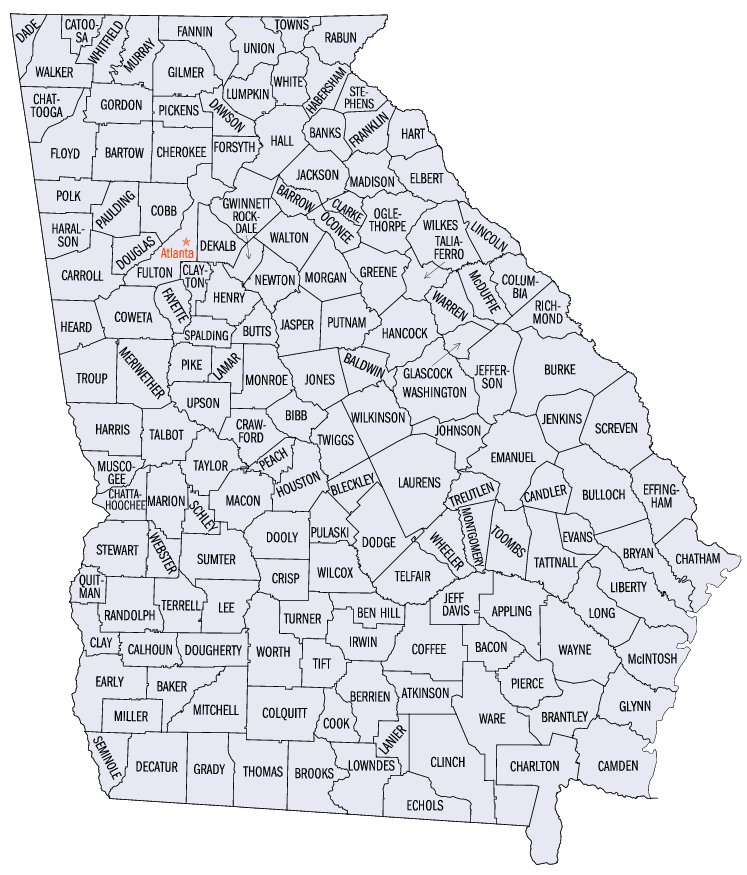
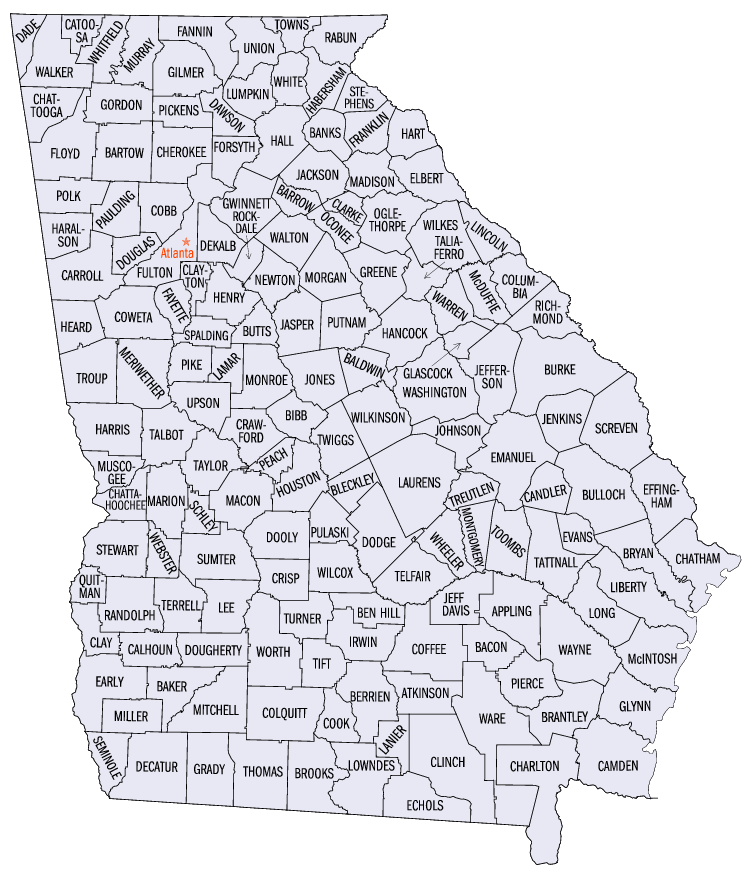
Chatham County, Georgia, known for its vibrant historical sites and beautiful coastal areas, is a bustling hub for businesses and tourists alike. Whether you're running a small shop in Savannah or managing a large service organization, understanding the local sales tax is crucial for your operations. The Chatham County sales tax rate typically ranges from Infinity% to -Infinity%, depending on various factors. In this page, we'll explain how this rate is determined, the components that contribute to it, and what it means for you as a business owner or consumer in the county. Knowledge of these local tax regulations will equip you to manage your finances better and ensure compliance.


State Sales Tax Rate
NaN%
County Sales Tax Rate
Infinity% - -Infinity%
City Sales Tax Rate
Infinity% - -Infinity%
Special Sales Tax Rate
Infinity% - -Infinity%
Combined Sales Tax Rate
Infinity% - -Infinity%
Looking for a specific city?
Get your first Sales Tax filing free!
FlyFin CPAs offer precise sales tax filing with full audit insurance & a 100% money-back guarantee.


Trusted by 250k+ freelancers


What's in this article?
- Understanding Sales and Use Tax?
- How Do Sales and Use Tax Regulations Differ in Chatham County, Georgia?
- What Items Are Taxed and Exempt in Chatham County, Georgia?
- Exempt Services from Sales Tax in Chatham County, Georgia
- Sales Tax Nexus: What It Means for You
- Sales Tax Nexus Rates in Chatham County, Georgia Explained
- Deadlines for Sales Tax Returns in Chatham County, Georgia
- Steps to Take If You Miss a Chatham County, Georgia Filing Deadline
- Preparing Your Sales Tax Return
- Acquiring a Sales Tax Permit in Chatham County, Georgia
Understanding Sales and Use Tax?
What items are taxed and exempt in Chatham County, Georgia? Understanding what you might need to pay sales tax on can help you make informed purchases. Generally, tangible goods such as clothing, electronics, and furniture are subject to sales tax. For instance, if you purchase a new smartphone or a dining table, the sales tax will be included in the price you pay at checkout. However, there are certain items that are exempt from sales tax in Chatham County. Common exemptions include certain groceries and prescription medications. For example, if you buy fresh fruits like apples or vegetables like carrots, you won’t have to pay sales tax. Similarly, prescription medications such as blood pressure pills or insulin are also exempt. It’s also important to note that some services may not be subject to the sales tax Chatham County imposes. These can include services like landscaping or certain healthcare services, which helps reduce the overall tax burden on residents. Being aware of these distinctions allows you to budget more effectively and take advantage of exemptions when planning your purchases. Now let's explore whether there are any specific services that are exempt from sales tax in Chatham County, Georgia.
How Do Sales and Use Tax Regulations Differ in Chatham County, Georgia?
How do sales and use tax regulations differ in Chatham County, Georgia? The main difference lies in how these taxes are applied and collected. As mentioned earlier, sales tax is charged at the point of sale, meaning that it is automatically added to the price of goods or services when making a purchase. For example, when you buy a new bicycle in a local store, the sales tax is included in the final price you pay at the register.
On the other hand, the use tax comes into play when you buy items from out of state or online and do not pay sales tax at the time of purchase. For instance, if you order furniture from an online store based in another state and it doesn't charge sales tax, you must report that purchase and pay the equivalent of the Chatham County sales tax rate on it. Essentially, this ensures that both local sellers and those making purchases from out of state are treated fairly in terms of taxation.
It's also worth noting that the Chatham County sales tax rate may include a base state rate of NaN, along with any additional local taxes that apply. The rates may differ not only by county but also by the type of goods or services being sold. You can check out the table below for a detailed comparison of the sales tax rates across different cities in Georgia.
Sales Tax Rate in Cities of Chatham County, Georgia
You can also get a deeper understanding of what you might be liable for by using our Sales Tax Calculator at the top of the page. This tool can provide you with quick insights without having to sift through tables. The better you understand these regulations, the easier it will be to manage your purchases and comply with local tax laws before we move on to what's taxed and what isn't.
Sales Tax Rate in Cities of Chatham County, Georgia


Quick Tip :
Quick Tip: Always keep receipts for out-of-state purchases! If you paid no sales tax, you’ll need those receipts to report and pay the use tax. Consider using FlyFin for easy tracking and reporting of your tax obligations.
What Items Are Taxed and Exempt in Chatham County, Georgia?
What items are taxed and exempt in Chatham County, Georgia? Understanding what you might need to pay sales tax on can help you make informed purchases. Generally, tangible goods such as clothing, electronics, and furniture are subject to sales tax. For instance, if you purchase a new smartphone or a dining table, the sales tax will be included in the price you pay at checkout. However, there are certain items that are exempt from sales tax in Chatham County. Common exemptions include certain groceries and prescription medications. For example, if you buy fresh fruits like apples or vegetables like carrots, you won’t have to pay sales tax. Similarly, prescription medications such as blood pressure pills or insulin are also exempt. It’s also important to note that some services may not be subject to the sales tax Chatham County imposes. These can include services like landscaping or certain healthcare services, which helps reduce the overall tax burden on residents. Being aware of these distinctions allows you to budget more effectively and take advantage of exemptions when planning your purchases. Now let's explore whether there are any specific services that are exempt from sales tax in Chatham County, Georgia.
Exempt Services from Sales Tax in Chatham County, Georgia
Exempt services from sales tax in Chatham County, Georgia, provide an opportunity for residents and businesses to save on certain expenses. Many essential services are not subject to the Chatham County sales tax rate, allowing residents to manage their budgets more effectively. Some common exempt services include healthcare services, such as medical consultations, hospital stays, and physical therapy sessions. For example, when you visit a doctor for a check-up, you won’t have to pay sales tax on the doctor’s fees. Additionally, services related to education, such as tutoring or private lessons, are also exempt. So if your child takes piano lessons or you hire a tutor to help with math, those services won’t incur sales tax. Landscaping services, like lawn maintenance or garden design, are typically exempt as well. Hiring a professional to maintain your yard or plant new flowers won’t add any extra tax to the cost. Being aware of which services are exempt from sales tax can greatly benefit you as a consumer and help you make more informed decisions about your spending. Now, let's delve into what sales tax nexus is and how it impacts you.
Sales Tax Nexus: What It Means for You
Sales tax nexus refers to the connection between a business and a taxing jurisdiction, which in this case, involves the sales tax in Chatham County. Understanding what nexus means is crucial for businesses and consumers alike, as it dictates whether a seller is obliged to collect sales tax from buyers in that area. For businesses, having a sales tax nexus in a specific state means that you might need to register for a sales tax permit and begin collecting tax on sales made in that state. This is particularly important if your business has a physical presence, such as a storefront or warehouse, in Chatham County. Even if a business operates online, it can still establish a nexus due to various factors, such as shipping products to customers in Chatham County or engaging in significant sales activity within the area. Understanding the concept of nexus will help you determine if you are subject to sales tax regulations when making purchases or operating a business. In the following sections, we will explore the different types of sales nexus and how they apply to different situations.
Physical Nexus


Physical nexus occurs when a business has a tangible presence in a state, which requires them to collect sales tax. This can include having a retail store, warehouse, or even employees working in the area. For example, if a furniture store has a showroom in Chatham County, it must charge customers the local sales tax on all purchases made at that location.
Economic Nexus

Economic nexus refers to a tax connection based on the volume of sales a business has in a state, regardless of physical presence. For example, if an online retailer sells over a specific dollar amount in products to customers in Chatham County within a year, they may be required to collect sales tax, even without a physical store in the area.
Affiliate Nexus

Affiliate nexus occurs when a business has a relationship with affiliates or partners in a state who help promote its products. If a business pays affiliates for referrals in Chatham County, it may create a nexus. For example, if a blog based in Chatham promotes an online retailer and earns a commission on sales, that retailer may be required to collect local sales tax.
Click-Through Nexus

Click-through nexus arises when an online retailer pays commissions to affiliates or advertisers in a state for directing customers to their website. For example, if an online store has a partnership with a website that features ads and generates sales via those links in Chatham County, the retailer must collect sales tax due to this click-through relationship.
Quick Tip :
Quick Tip: Always review your business operations to determine if you have sales tax nexus in Chatham County. Consider using FlyFin for seamless tracking and compliance with your tax obligations.
Sales Tax Nexus Rates in Chatham County, Georgia Explained
Sales tax nexus rates in Chatham County, Georgia, are crucial for understanding your obligations as a business owner. When determining whether you have a nexus, it's essential to consider both physical and economic factors. The Chatham County Georgia sales tax applies if your business meets specific thresholds of sales—even if you do not have a physical presence in the area.
These thresholds often include a minimum sales amount or number of transactions within a given year. If your business surpasses these limits, you’ll be required to register and collect sales tax from customers in Chatham County. To better illustrate these nexus thresholds, check out the table below.
Georgia Economic Nexus Threshold
Sales Threshold
- $100,000 or 200 transactions
- Evaluated over the current or previous calendar year
- Effective from January 1, 2019
Included Transactions
- Gross revenue from retail sales of tangible personal property delivered electronically or physically to a location in the state for consumption, use, or storage in the state
- Exempt sales
Excluded Transactions
- Services (taxable and exempt)
- Exempt resales
- Sales made through a registered marketplace facilitator
You can also get more insights into your sales tax obligations and threshold limits by consulting with tax professionals or using the Sales Tax Calculator available at the top of the page.
Georgia Economic Nexus Threshold
Sales Threshold
- $100,000 or 200 transactions
- Evaluated over the current or previous calendar year
- Effective from January 1, 2019
Included Transactions
- Gross revenue from retail sales of tangible personal property delivered electronically or physically to a location in the state for consumption, use, or storage in the state
- Exempt sales
Excluded Transactions
- Services (taxable and exempt)
- Exempt resales
- Sales made through a registered marketplace facilitator
Deadlines for Sales Tax Returns in Chatham County, Georgia
Deadlines for sales tax returns in Chatham County, Georgia, are critical for business compliance. Typically, businesses must file their sales tax returns on a monthly, quarterly, or annual basis, depending on their sales volume. For example, businesses with higher sales may be required to file monthly, while smaller businesses can file quarterly or annually. It's essential to be aware of these deadlines to avoid penalties or interest fees. The due dates for filing usually fall on the 20th of the month following the close of the reporting period. If you collect sales tax in Chatham County GA, ensuring timely submissions is crucial for maintaining good standing with tax authorities. Stay organized and mark your calendars to meet these deadlines and fulfill your obligations under the sales tax regulations. Up next, we will discuss what steps to take if you miss a filing deadline in Chatham County, Georgia.
Quick Tip :
Quick Tip: Set reminders a week before your sales tax due dates to ensure timely submissions. Use FlyFin to help you keep track of deadlines and simplify your tax processes.
Get instant answers to all your
sales tax questions with A.I.
Ask anything about taxes...
4.9 out of 5
Top questions asked by freelancers today
Steps to Take If You Miss a Chatham County, Georgia Filing Deadline
If you miss a filing deadline for Chatham County, Georgia sales tax, taking prompt action is crucial to minimize any negative impacts. First, file your sales tax return as soon as possible, even if it's late. This shows that you're trying to meet your obligations and can help reduce potential penalties. Next, be prepared for any penalties or interest charges that may apply. Understanding the requirements for late filings will help you assess what you might owe and how to handle future filings. It's also advisable to contact the local tax authority to inform them of the situation. They may have options or guidance for managing late payments. Lastly, implement better tracking and reminders for future deadlines to avoid missing them again. Consider using resources or platforms like FlyFin that can help streamline your tax processes, ensuring timely filings for Chatham County Georgia sales tax going forward. Following these steps can help you navigate the aftermath of a missed deadline effectively. Next, let’s explore how to prepare your sales tax return.
Preparing Your Sales Tax Return
Preparing your sales tax return involves several key steps to ensure accuracy and compliance with the sales tax in Chatham County Georgia. The first step is to gather all necessary documentation, including sales receipts, invoices, and any sales-related records. You'll want to ensure that your records clearly indicate which items or services were sold and the total amount of sales tax collected. Identifying taxable sales transactions is crucial in this process. Not all sales are subject to sales tax, so you'll need to differentiate between taxable and non-taxable items. For example, tangible goods like electronics and clothing are usually taxable, while certain groceries and prescription medications are exempt. Compiling a list of taxable sales will help you accurately report the amount owed. Next, understanding the areas of sale can help clarify your sales tax responsibilities. Different rules may apply based on where the sale occurs—whether it's in a physical store, online, or at an event. If you sell goods or services in multiple locations, ensure you track the sales made in Chatham County specifically, as this will influence your tax calculations. By following these steps and being thorough in your preparation, you’ll be better equipped to complete your sales tax return accurately and on time. Now, let's delve into identifying taxable sales transactions in more detail.
How to Identify Taxable Sales Transactions
Pinpointing Areas of Sale
Get the right tax CPA for your sales tax today!
FlyFin CPAs offer precise sales tax filing at a 5x cheaper price.FlyFin also provides full audit insurance with a 100% money back guarantee.


Preparing your sales tax return is a critical process, and ensuring accuracy is vital, especially when it comes to complying with Chatham County GA sales tax regulations. By gathering your sales documentation, identifying taxable transactions, and pinpointing areas of sale, you can lay a strong foundation for a successful filing. However, navigating these complexities can still be challenging. That's where FlyFin comes in. With the expertise of Sales Tax CPAs and the support of advanced AI, FlyFin can help you prepare your sales tax returns with maximum accuracy. Their platform simplifies the entire process, ensuring you capture all relevant transactions and deductions, so you don't have to worry about missing out on potential savings or making costly errors. For effortless filing and accurate results, consider utilizing FlyFin to manage your sales tax preparation. To get started, access the helpful Sales Tax Calculator above and see how FlyFin can streamline your sales tax filing needs. With the right tools and experts on your side, you can take the stress out of preparing your sales tax return.
Acquiring a Sales Tax Permit in Chatham County, Georgia
Acquiring a sales tax permit in Chatham County, Georgia, is a critical step for any business that intends to sell goods or services subject to taxation. Before you can collect sales tax from customers, you must first register with the Georgia Department of Revenue to obtain your permit. This application process ensures that you are compliant with local regulations regarding the collection and remittance of Chatham County Georgia sales tax. To begin the process, you will need to gather essential information about your business, including your Federal Employer Identification Number (EIN), business structure (e.g., sole proprietorship, LLC), and details about your anticipated sales. Complete the application, which can typically be done online through the Georgia Department of Revenue's website or by submitting a paper form. Once your application is submitted, it will be reviewed, and upon approval, you will receive your sales tax permit. Keep this permit visible and easily accessible, as it is a requirement for your sales operations. Remember, having this permit not only allows you to collect sales tax legally but also helps you avoid potential fines or penalties associated with unauthorized sales tax collection. This registration is a crucial step for ensuring your business remains compliant with the sales tax laws in place before moving on to the final section.
Conclusion
Understanding Chatham County Georgia sales tax is essential for both business owners and consumers. We've explored the importance of being aware of sales tax obligations, including the various types of nexus that can affect businesses, like physical nexus, economic nexus, affiliate nexus, and click-through nexus. Each type presents different circumstances under which you must collect taxes in Chatham County, ensuring compliance with local regulations. Additionally, recognizing taxable and non-taxable items is crucial when preparing your sales tax return. Practical steps such as pinpointing areas of sale and filing deadlines help maintain accuracy and avoid potential penalties. Acquiring a sales tax permit is a vital process, ensuring you are legally allowed to collect sales tax before entering the market. By leveraging resources like FlyFin, businesses can streamline their tax preparation processes while ensuring compliance with the latest regulations. These tools and insights position you to manage your sales tax responsibilities more effectively. As a business owner in Chatham County, staying informed about your sales tax obligations not only helps you avoid fines but also fosters trust with your customers. Taking these steps will empower you to operate confidently within the local tax landscape, allowing you to focus on growing your business while remaining compliant.
Automate sales tax calculation, reporting, and filing with FlyFin


Frequently Asked Questions
What is sales tax in Chatham County, Georgia?
How much is the sales tax rate in Chatham County, GA?
Does Chatham County of Georgia have sales tax?
What items are exempt from sales tax in Chatham County, GA?
What is the sales tax on cars in Chatham County of Georgia?
How to verify a sales tax permit of Chatham County, GA?
When is Chatham County GA sales tax due?
Sales Tax in other states
Our sales tax guides provide an overview of sales tax rates, nexus thresholds, taxable and nontaxable items, along with other valuable tax knowledge for every U.S. state.
Alabama
Alaska
Arizona
Arkansas
California
Colorado
Connecticut
Delaware
District Of Columbia
Florida
Georgia
Hawaii
Idaho
Illinois
Indiana
Iowa
Kansas
Kentucky
Louisiana
Maine
Maryland
Massachusetts
Michigan
Minnesota
Mississippi
Missouri
Montana
Nebraska
Nevada
New Hampshire
New Jersey
New Mexico
New York
North Carolina
North Dakota
Ohio
Oklahoma
Oregon
Pennsylvania
Rhode Island
South Carolina
South Dakota
Tennessee
Texas
Utah
Vermont
Virginia
Washington
West Virginia
Wisconsin
Wyoming
Alabama
Alaska
Arizona
Arkansas
California
Colorado
Connecticut
Delaware
District Of Columbia
Florida
Georgia
Hawaii
Idaho
Illinois
Indiana
Iowa
Kansas
Kentucky
Louisiana
Maine
Maryland
Massachusetts
Michigan
Minnesota
Mississippi
Missouri
Montana
Nebraska
Nevada
New Hampshire
New Jersey
New Mexico
New York
North Carolina
North Dakota
Ohio
Oklahoma
Oregon
Pennsylvania
Rhode Island
South Carolina
South Dakota
Tennessee
Texas
Utah
Vermont
Virginia
Washington
West Virginia
Wisconsin
Wyoming
Sales Tax in other counties of Georgia
Our sales tax guides provide an overview of sales tax rates, nexus thresholds, taxable and nontaxable items, along with other valuable tax knowledge for every county in Georgia
What’s FlyFin?


Expert tax CPAs ensure 100%-accurate tax filing

A.I. finds every tax deduction, eliminating 95% of your work

On average users save $3,700