Sales Tax Calculator
Find your sale taxes in a minute
Calculate Your Sales Tax with FlyFin
Automate your tax calculations and
filing with FlyFin
What do you sell?


Sales Tax Guide of
Minnesota
Sales Tax in Minnesota
Minnesota, known for its 10,000 lakes and vibrant Twin Cities, has a unique sales tax landscape crucial for residents and businesses alike. Navigating the mn sales tax rate can be simplified with a bit of guidance. The sales tax in Minnesota ranges from Infinity% to -Infinity%, and we'll break down exactly how these rates are determined. Whether you're a local business owner or a consumer, understanding Minnesota's sales tax can help you make well-informed decisions. This guide will cover the components that contribute to the overall mn sales tax rate, ensuring you're both compliant and informed.


State Sales Tax Rate
NaN%
County Sales Tax Rate
Infinity% - -Infinity%
City Sales Tax Rate
Infinity% - -Infinity%
Special Sales Tax Rate
Infinity% - -Infinity%
Combined Sales Tax Rate
Infinity% - -Infinity%
Looking for a specific county?
Get your first Sales Tax filing free!
FlyFin CPAs offer precise sales tax filing with full audit insurance & a 100% money-back guarantee.


Trusted by 250k+ freelancers


What's in this article?
- Understanding Sales and Use Tax Basics
- Variations in Minnesota's Sales and Use Tax
- What's Taxable and What's Not in Minnesota
- Service Exemptions from Sales Tax in Minnesota
- Understanding Sales Tax Nexus and Its Effects
- Sales Tax Nexus Rates in Minnesota
- Minnesota Sales Tax Return Deadlines
- Steps to Take If You Miss a Filing Deadline in Minnesota
- Preparing Your Sales Tax Return: Essential Steps
- Acquiring a Sales Tax Permit in Minnesota
Understanding Sales and Use Tax Basics
Understanding what's subject to sales tax in Minnesota and what isn't can help you navigate your expenses more efficiently. While many goods and services are taxable in the state, there are notable exceptions that can save you money if you know what they are. For instance, most clothing purchases are tax-exempt in Minnesota, which means when you buy a sweater or a pair of jeans, you won't have to pay sales tax on them. However, this doesn't apply to items like jewelry or handbags, which still incur the state tax. Certain groceries are also exempt from sales tax in Minnesota. Essential food items like bread, milk, and vegetables typically do not carry the tax load, making your grocery bill a bit lighter. Non-essential items, such as candy or soda, on the other hand, might still be taxable. Prescription medications are another category that tends to be free from sales tax. So, whether it’s antibiotics or diabetes medication, these necessary health purchases are generally untaxed, providing financial relief to those who need regular medications. As you shop, keep these exemptions in mind, as they could influence your budgeting and purchasing decisions. In the next section, we'll explore if there are specific services that might be exempt from sales tax in Minnesota, giving you a clearer understanding of when additional costs may or may not apply.
Variations in Minnesota's Sales and Use Tax
Minnesota is not a one-size-fits-all state when it comes to its sales and use tax rates. While the state sales tax rate stands at NaN, additional local taxes can alter what you actually pay when making purchases. Different cities and counties across Minnesota may impose their own local sales taxes, adding to the total amount you owe at checkout.
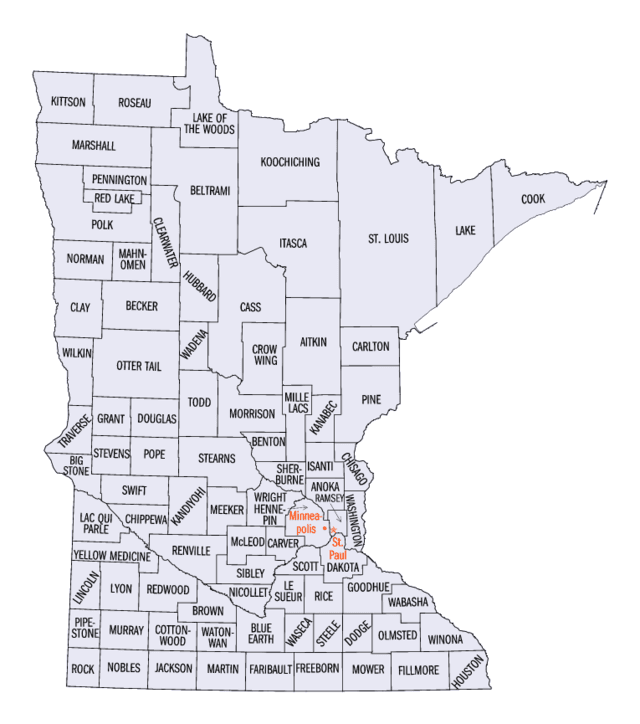
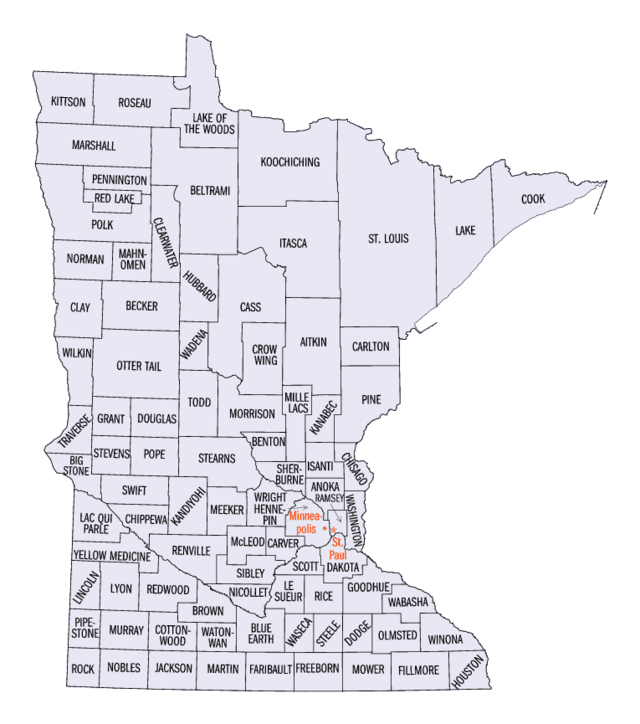
To make it easier for you to grasp how these taxes vary, we've included a detailed table below showing sales tax rates by county. This way, whether you're in Hennepin County or traveling to smaller towns like Bemidji, you can easily see what sales tax is applicable in a particular area. Alternatively, to simplify your calculations without sifting through the numbers, our handy Sales Tax Calculator at the top of the page can do the math for you.
Sales Tax Rate in Major Counties of Minnesota
These regional variations in minnesota sales tax can impact both how you price goods as a business owner and how you budget personal spending as a consumer. For instance, if you are purchasing a car in one city but plan to register it in another, knowing the local rate differences could either result in savings or added costs. Having a clear understanding of how sales and use tax are structured across Minnesota is essential to making sure you're prepared for these unexpected differences.
In the next section, we'll break down what's taxed and what isn't across the state, guiding you on when you'll need to keep an eye out for those additional charges.
Sales Tax Rate in Major Counties of Minnesota



Quick Tip :
Planning to shop outside your usual area? Double-check local sales tax rates—knowing the differences can keep surprises at bay and potentially save you money.
What's Taxable and What's Not in Minnesota
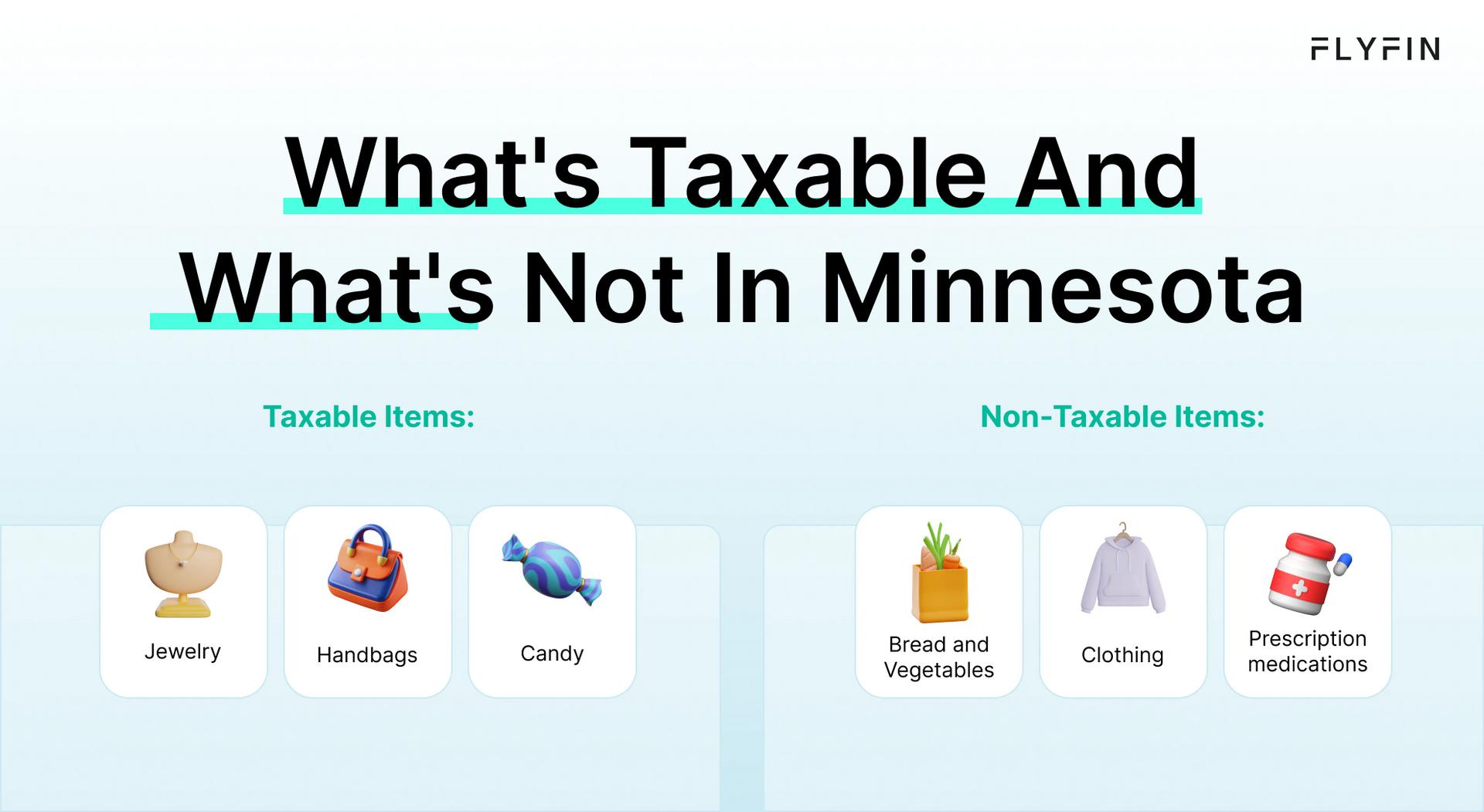
Understanding what's subject to sales tax in Minnesota and what isn't can help you navigate your expenses more efficiently. While many goods and services are taxable in the state, there are notable exceptions that can save you money if you know what they are. For instance, most clothing purchases are tax-exempt in Minnesota, which means when you buy a sweater or a pair of jeans, you won't have to pay sales tax on them. However, this doesn't apply to items like jewelry or handbags, which still incur the state tax. Certain groceries are also exempt from sales tax in Minnesota. Essential food items like bread, milk, and vegetables typically do not carry the tax load, making your grocery bill a bit lighter. Non-essential items, such as candy or soda, on the other hand, might still be taxable. Prescription medications are another category that tends to be free from sales tax. So, whether it’s antibiotics or diabetes medication, these necessary health purchases are generally untaxed, providing financial relief to those who need regular medications. As you shop, keep these exemptions in mind, as they could influence your budgeting and purchasing decisions. In the next section, we'll explore if there are specific services that might be exempt from sales tax in Minnesota, giving you a clearer understanding of when additional costs may or may not apply.
Service Exemptions from Sales Tax in Minnesota
In addition to tangible goods, it's essential to understand that certain services in Minnesota are also impacted by sales tax laws. However, not all services are subject to these taxes, and knowing which ones are exempt can lead to savings for both consumers and service providers. For example, most medical services are not subject to sales tax mn. This means that when you visit your doctor or receive healthcare treatments, the services provided typically do not incur additional tax costs. Similarly, educational services such as tuition for schools or colleges are generally tax-exempt, allowing students and families to focus on education costs without the added burden of taxes. Another area where service exemptions play a critical role is residential real estate services. If you're hiring someone for home maintenance tasks like plumbing repairs or lawn care, these are usually not taxed, aligning with Minnesota's approach to ease financial strain on essential domestic activities. Keeping these service exemptions in mind can help you better manage service-related expenses, ensuring you know when sales tax will or won't apply. As we continue exploring Minnesota's tax landscape, the next section will delve into sales tax nexus and its implications, offering insights into how it may affect your business or shopping experiences.
Understanding Sales Tax Nexus and Its Effects
Sales tax nexus is a crucial concept that determines a business's obligation to collect sales tax in a given state. It essentially refers to the connection or presence a business has in a state that requires them to comply with local tax laws. In Minnesota, understanding your sales tax nexus is vital to ensuring that your business transactions are conducted legally and efficiently without any unexpected tax headaches. For both consumers and businesses, identifying sales tax nexus means knowing when and where sales taxes need to be applied. For instance, if you run an online store and have a physical presence like a warehouse or office in Minnesota, you likely have a sales tax nexus, meaning you're required to collect and remit sales tax on your transactions in the state. Beyond traditional retail, if you're involved in transactions like state of mn tax-forfeited land sales, the nexus can also affect how sales tax laws are applicable. Whether you're buying or selling, understanding your nexus status helps in clarifying tax responsibilities. As we move forward, it’s vital to grasp the different types of sales nexus, which will be explored in the following sections. These subsections will delve deeper into how different kinds of presences and activities can establish a nexus, helping you comprehend when these rules come into play.
What is Physical Nexus?


Physical nexus refers to a business having a tangible presence in a state, like a store, office, or warehouse. This presence triggers the need to collect sales tax. For example, if you run a bakery with a shop location in Minnesota, your business has a physical nexus, requiring you to adhere to the state’s sales tax obligations.
What is Economic Nexus?

Economic nexus occurs when a business surpasses a specific sales revenue threshold in a state, even without a physical presence. For instance, if an online retailer sells over $100,000 worth of goods annually to Minnesota residents, this establishes economic nexus, obligating the business to collect and remit sales tax in that state.
What is Affiliate Nexus?

Affiliate nexus arises when a business has ties with affiliates or related individuals who help promote its products in a state. For example, if a company partners with a blogger in Minnesota to market its products, this connection may create affiliate nexus, requiring sales tax collection on sales generated through that affiliate’s efforts.
What is Click-Through Nexus?

Click-through nexus is established when a business generates sales through online affiliates in a state, triggering tax obligations. For instance, if a Minnesota-based website earns commissions by directing traffic to your online store, and sales exceed a state threshold, this might create click-through nexus, requiring sales tax collection.
Quick Tip :
Stay informed about sales tax nexus thresholds to avoid surprises. Utilizing tools like FlyFin can simplify managing your tax obligations, ensuring you stay on top of tax compliance.
Sales Tax Nexus Rates in Minnesota
Understanding the specific sales tax nexus rates in Minnesota is crucial for businesses to determine their tax responsibilities. Various factors influence whether a business must collect sales tax, such as total sales volume or the number of transactions conducted with Minnesota residents.
These thresholds help decide when a business is obligated to collect and remit sales tax Minnesota. For instance, crossing a certain annual sales revenue or transaction count triggers the nexus.
To help you navigate this, we've provided a table below that outlines the specific sales threshold requirements for establishing nexus in the state, ensuring you stay compliant.
Minnesota Economic Nexus Threshold
Sales Threshold
- $100,000 or 200 transactions
- Threshold applies to the prior 12-month period
- Effective from October 1, 2019
Included Transactions
- Retail sales made into the state from outside the state
- Taxable services
- Exempt sales
- Sales to tax-exempt entities
- Sales made through a registered marketplace facilitator
Excluded Transactions
- Sales for resale
- Exempt services
- Taxable resales
Minnesota Economic Nexus Threshold
Sales Threshold
- $100,000 or 200 transactions
- Threshold applies to the prior 12-month period
- Effective from October 1, 2019
Included Transactions
- Retail sales made into the state from outside the state
- Taxable services
- Exempt sales
- Sales to tax-exempt entities
- Sales made through a registered marketplace facilitator
Excluded Transactions
- Sales for resale
- Exempt services
- Taxable resales
Minnesota Sales Tax Return Deadlines
Knowing when sales tax returns are due in Minnesota is key to avoiding late fees and penalties. The frequency of filing—whether monthly, quarterly, or annually—depends on the amount of sales tax Minnesota businesses collect. For businesses that collect a significant amount of sales tax, monthly filings are required. Meanwhile, those collecting less might only need to file quarterly or annually. The Minnesota Department of Revenue typically assigns a filing frequency when you register, but it can change based on annual figures. As you keep track of your obligations, always ensure your payment and filing align with the designated period. Staying informed and organized with these deadlines will help keep your business running smoothly. In the next section, we’ll cover the steps to take if you ever happen to miss a filing deadline in Minnesota, helping you navigate any potential solutions.
Quick Tip :
Set calendar alerts for filing deadlines to avoid penalties. Consider using FlyFin for seamless tax management, ensuring you never miss a payment or filing date.
Get instant answers to all your
sales tax questions with A.I.
Ask anything about taxes...
4.9 out of 5
Top questions asked by freelancers today
Steps to Take If You Miss a Filing Deadline in Minnesota
If you've missed a sales tax filing deadline in Minnesota, the first step is to file and pay your return as soon as possible. Prompt action can help minimize any late fees or interest charges that may accrue. The Minnesota Department of Revenue may allow you to file your returns and payments online. Double-check your business records to ensure all sales figures are accurate before filing. You might find using a tool like an mn sales tax calculator helpful for rechecking calculations and ensuring precise reporting. Should you incur any penalties, contact the Minnesota Department of Revenue to discuss available options. They may offer payment plans or penalty relief in certain cases, especially if it's your first-time oversight. In the subsequent section, we'll guide you through the process of preparing your sales tax return, helping you avoid such situations in the future.
Preparing Your Sales Tax Return: Essential Steps
To effectively prepare your sales tax return, start by organizing all relevant documentation, such as sales invoices and receipts. Accurate record-keeping is vital for identifying taxable sales transactions and ensuring compliance when reporting to the state of mn sales tax authority. Use an mn sales tax calculator to verify numbers and simplify computations, making sure your calculations reflect the correct tax rates. Ensuring accuracy at this stage can prevent future discrepancies and penalties. Once your documents are in order, familiarize yourself with the filing process on the Minnesota Department of Revenue's online platform. Make note of any specific requirements related to your business’s filing frequency and deadlines. Introducing the next steps, we'll delve further into identifying taxable sales transactions and pinpointing the areas of sale to ensure clear and precise reporting.
Recognizing Taxable Sales Transactions
Pinpointing Areas of Sale
Get the right tax CPA for your sales tax today!
FlyFin CPAs offer precise sales tax filing at a 5x cheaper price.FlyFin also provides full audit insurance with a 100% money back guarantee.


Consolidating your sales records, identifying taxable transactions, and pinpointing areas of sale can seem daunting when preparing your minnesota sales tax return. However, using FlyFin can transform this challenging process into a streamlined experience. The expert Sales Tax CPAs at FlyFin, backed by AI technology, ensure that every aspect of your return is handled with precision, maximizing accuracy and compliance. To effortlessly calculate your taxes and begin your filing, use our Sales Tax Calculator at the top of the page. This can help you confidently manage your sales tax obligations with ease.
Acquiring a Sales Tax Permit in Minnesota
To legally collect sales tax in Minnesota, your business must obtain a sales tax permit. This process ensures compliance with state tax laws and is essential for both new and existing businesses starting to make taxable sales within the state. First, you'll need to register your business with the Minnesota Department of Revenue, which can be conveniently completed online. During registration, you'll need certain details, like your business entity type and federal tax ID number. Once registered, the state will issue your sales tax Minnesota permit, enabling you to collect taxes legally. Maintaining this permit involves keeping accurate records of taxable sales and filing returns as required. In the next section, we'll wrap up our insights on managing your sales tax responsibilities effectively.
Conclusion
Understanding sales tax in Minnesota is essential for both consumers and business owners looking to stay informed and compliant. We began by exploring the basic concepts of sales and use tax, highlighting the differences and the significance of knowing which goods and services are taxable or exempt. From clothing to prescription medications, various products have specific tax rules, and being aware of these can lead to smarter financial choices. In addition, grasping the idea of sales tax nexus is crucial. Whether it's physical, economic, affiliate, or click-through nexus, understanding how these affect your tax responsibilities can guide businesses in their operations. We've also provided key insights into differing region-based tax rates and deadlines for filing returns, essential for avoiding penalties and ensuring smooth transactions. If you ever miss a deadline, it's not the end of the world—there are steps to rectify the situation and get back on track. We've guided you through the preparation process for your sales tax return, emphasizing organization and accuracy, and ensuring you know what transactions and areas of sale need attention. To aid in these tasks, registering for a sales tax permit is vital, granting you the ability to collect and remit taxes legally. By staying on top of these responsibilities, you not only keep your business compliant but also maintain a hassle-free approach to managing sales tax Minnesota, ensuring peace of mind and continued success.
Automate sales tax calculation, reporting, and filing with FlyFin


Frequently Asked Questions
What is Minnesota sales tax?
Does Minnesota have sales tax?
How much is Minnesota sales tax?
Does Minnesota have sales tax on clothes?
Is clothing exempt from sales tax in MN?
Are orthopedic implants exempt from sales tax in Minnesota?
Sales Tax in other states
Our sales tax guides provide an overview of sales tax rates, nexus thresholds, taxable and nontaxable items, along with other valuable tax knowledge for every U.S. state.
Alabama
Alaska
Arizona
Arkansas
California
Colorado
Connecticut
Delaware
District Of Columbia
Florida
Georgia
Hawaii
Idaho
Illinois
Indiana
Iowa
Kansas
Kentucky
Louisiana
Maine
Maryland
Massachusetts
Michigan
Minnesota
Mississippi
Missouri
Montana
Nebraska
Nevada
New Hampshire
New Jersey
New Mexico
New York
North Carolina
North Dakota
Ohio
Oklahoma
Oregon
Pennsylvania
Rhode Island
South Carolina
South Dakota
Tennessee
Texas
Utah
Vermont
Virginia
Washington
West Virginia
Wisconsin
Wyoming
Alabama
Alaska
Arizona
Arkansas
California
Colorado
Connecticut
Delaware
District Of Columbia
Florida
Georgia
Hawaii
Idaho
Illinois
Indiana
Iowa
Kansas
Kentucky
Louisiana
Maine
Maryland
Massachusetts
Michigan
Minnesota
Mississippi
Missouri
Montana
Nebraska
Nevada
New Hampshire
New Jersey
New Mexico
New York
North Carolina
North Dakota
Ohio
Oklahoma
Oregon
Pennsylvania
Rhode Island
South Carolina
South Dakota
Tennessee
Texas
Utah
Vermont
Virginia
Washington
West Virginia
Wisconsin
Wyoming
What’s FlyFin?


Expert tax CPAs ensure 100%-accurate tax filing

A.I. finds every tax deduction, eliminating 95% of your work

On average users save $3,700