
Sales Tax Calculator
Find your sale taxes in a minute
Calculate Your Sales Tax with FlyFin
Automate your tax calculations and
filing with FlyFin
What do you sell?


Sales Tax Guide of
Cumberland
Sales Tax in Cumberland County, Maine
If you operate a business or make purchases in Cumberland County, Maine, understanding the local sales tax is essential for compliance and budgeting. Cumberland County, known for its stunning landscapes and vibrant communities, is an important economic hub in the state. The sales tax rate in this area typically ranges from Infinity%% to -Infinity%%, depending on the specific municipality within the county. This rate is determined by a combination of state and local sales taxes, ensuring that residents and visitors contribute to the funding of public services and infrastructure. For those looking for specific information on the cumberland county, ME sales tax rate, we’ve got you covered with clear insights into how sales tax works here!

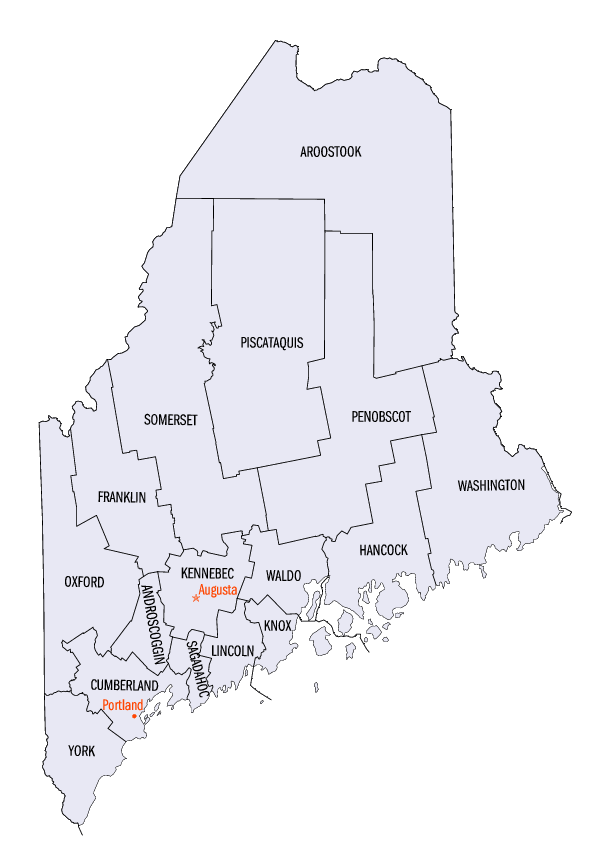

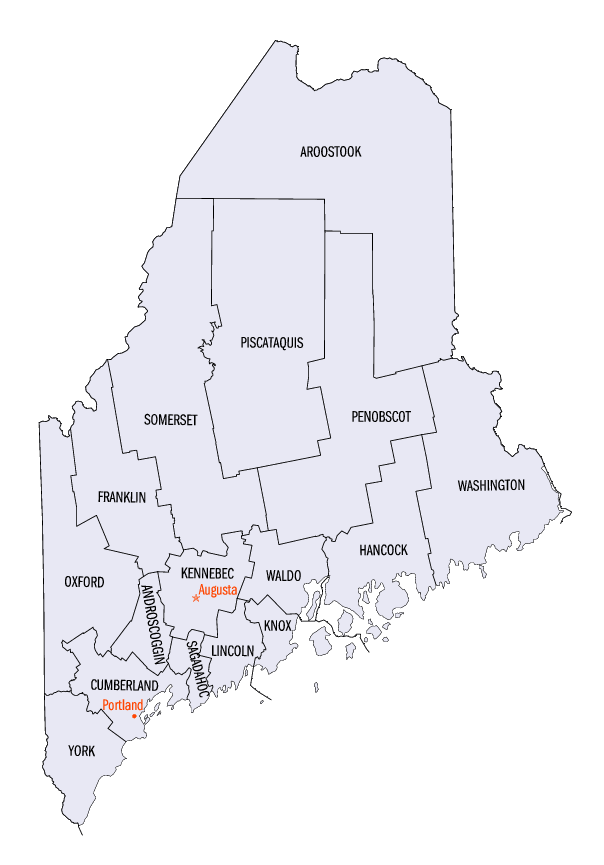
State Sales Tax Rate
NaN%
County Sales Tax Rate
Infinity% - -Infinity%
City Sales Tax Rate
Infinity% - -Infinity%
Special Sales Tax Rate
Infinity% - -Infinity%
Combined Sales Tax Rate
Infinity% - -Infinity%
Looking for a specific city?
Get your first Sales Tax filing free!
FlyFin CPAs offer precise sales tax filing with full audit insurance & a 100% money-back guarantee.


Trusted by 250k+ freelancers


What's in this article?
- Understanding Sales and Use Tax?
- Variations in Cumberland County, Maine Sales and Use Tax Rates
- What Goods and Services Are Taxable in Cumberland County, Maine?
- Exempt Services from Sales Tax in Cumberland County, Maine
- Understanding Sales Tax Nexus and Its Effects
- Cumberland County, Maine Sales Tax Nexus Rates Explained
- Deadlines for Sales Tax Returns in Cumberland County, Maine
- Steps to Take If You Miss a Cumberland County, Maine Filing Deadline
- Preparing Your Sales Tax Return: Key Steps to Follow
- How to Obtain a Sales Tax Permit in Cumberland County, Maine
Understanding Sales and Use Tax?
In Cumberland County, Maine, understanding what goods and services are taxable is fundamental for both consumers and businesses. Generally, tangible personal property—like clothing, electronics, and household items—falls under taxable goods. Services that relate to these items, such as installation or repair, are also typically subject to sales tax. However, some essential items are exempt from this tax, making everyday shopping a bit easier. For example, most groceries are not subject to sales tax, although certain prepared foods, like hot meals from a deli, might be taxed. Prescription medications are also exempt, ensuring that essential health needs don't burden consumers financially. It’s important to note these distinctions, especially if you're dealing with sales tax in your business operations or the sales tax cumberland county, ME area. Next, let’s look into any specific services that are exempt from sales tax in Cumberland County, Maine.
Variations in Cumberland County, Maine Sales and Use Tax Rates
Sales and use tax rates can vary significantly across the cities of Cumberland County, reflecting the diverse needs and services of its communities. The state sales tax, set at NaN%, serves as the baseline, but local municipalities can impose additional taxes that raise this total. This means that when you make a purchase, the total sales tax might be higher in certain cities compared to others. For instance, some areas may have additional local taxes that fund specific local projects or services. To simplify your understanding of the different rates, check out the table below for sales tax rate data across various cities.
Sales Tax Rate in Cities of Cumberland County, Maine
You can also get a quick estimate of your sales tax obligations using a Sales Tax Calculator, which can help you determine what you might owe based on your location and type of purchase. Being informed about these variations is especially critical for businesses engaged in the Cumberland County sales tax, where precise tax calculations can impact overall revenue.
Now, let’s explore what’s taxed and what isn’t to give you a clearer picture of your sales and use tax responsibilities.
Sales Tax Rate in Cities of Cumberland County, Maine


Quick Tip :
Quick Tip: Always check local tax rates before making a purchase in Cumberland County, as they can differ by town. For hassle-free tax management, consider using FlyFin to simplify your calculations.
What Goods and Services Are Taxable in Cumberland County, Maine?
In Cumberland County, Maine, understanding what goods and services are taxable is fundamental for both consumers and businesses. Generally, tangible personal property—like clothing, electronics, and household items—falls under taxable goods. Services that relate to these items, such as installation or repair, are also typically subject to sales tax. However, some essential items are exempt from this tax, making everyday shopping a bit easier. For example, most groceries are not subject to sales tax, although certain prepared foods, like hot meals from a deli, might be taxed. Prescription medications are also exempt, ensuring that essential health needs don't burden consumers financially. It’s important to note these distinctions, especially if you're dealing with sales tax in your business operations or the sales tax cumberland county, ME area. Next, let’s look into any specific services that are exempt from sales tax in Cumberland County, Maine.
Exempt Services from Sales Tax in Cumberland County, Maine
In Cumberland County, Maine, several services are exempt from sales tax, making them more accessible to residents and businesses alike. For instance, most health-related services, such as dental care and medical services, typically don’t incur sales tax, which supports individuals in managing their health care expenses. Additionally, certain educational services, like tuition for primary and secondary schools, are also exempt, helping families prioritize education without the added financial burden of taxes. Furthermore, services related to agriculture, including farming and specific veterinary services, are generally tax-exempt to promote local agriculture and food production. Other excluded services include (but are not limited to) repairs and maintenance services related to certain property improvements, where applicable. It’s essential for businesses to stay informed about these exemptions, especially if they're involved in the cumberland county, ME sales tax area, to ensure compliance and optimize their finances. Following this, let’s explore what sales tax nexus is and how it might impact your business operations in the region.
Understanding Sales Tax Nexus and Its Effects
Understanding sales tax nexus is crucial for businesses operating in Cumberland County, Maine, as it defines the connection between a business and a state that determines tax obligations. When a business has nexus in a state, it means that it is sufficiently connected to that state to warrant the collection of sales tax from customers there. This can be established through various factors, such as having a physical presence in the state, like a store or an office, or through economic ties, such as significant sales or marketing activities within the state. The effects of nexus can vary significantly. If your business is deemed to have nexus in Maine, you'll need to register for a sales tax permit, collect sales tax from customers, and report that tax to the state. This can directly influence your pricing strategies and operational processes. For businesses involved in transactions related to the cumberland county maine tax sale excess funds list 2024, understanding your sales tax nexus is essential for compliance. Now, let’s delve into the different types of sales nexus and how each one can impact your specific tax responsibilities.
Understanding Physical Nexus


Physical nexus occurs when a business has a tangible presence in a state, like a retail store, office, or warehouse. If your business owns or leases property in Cumberland County, Maine, you are required to collect sales tax on sales made to customers in that area. For example, if you operate a coffee shop there, you'll need to charge sales tax on each sale made at your location.
Understanding Economic Nexus

Economic nexus is established when a business has substantial sales in a state, even without a physical presence. In Cumberland County, Maine, if your online store earns over a certain threshold, you must collect sales tax from Maine customers. For example, if your store sells $100,000 in goods to Maine residents annually, you are required to charge sales tax on those sales.
Understanding Affiliate Nexus

Affiliate nexus occurs when a business has connections with affiliates or partners in a state that direct sales to the business. For instance, if a Maine-based website promotes your online store and earns a commission for sales generated, this can create nexus. As a result, you might be required to collect sales tax from customers in Maine due to this affiliate relationship.
Understanding Click-Through Nexus

Click-through nexus applies when a business has agreements with third-party websites to promote its products, leading to sales through referral links. For example, if a Maine website links to your online store and generates sales through clicks, you may establish nexus in Maine. This means you'll need to collect sales tax from customers buying through that referral link.
Quick Tip :
Quick Tip: Keep track of affiliate partnerships and referral links, as they can establish click-through nexus. Use FlyFin to simplify tax calculations and ensure compliance with local sales tax laws.
Cumberland County, Maine Sales Tax Nexus Rates Explained
Cumberland County, Maine, sales tax nexus rates vary based on a business's connection and activities within the state. To determine if you are obligated to collect sales tax, it's crucial to understand the threshold limits associated with different types of nexus. For instance, economic nexus typically considers total sales revenue, while click-through nexus may hinge on traffic generated from third-party sites.
Businesses must monitor their sales figures closely to ensure compliance, particularly if they are part of transactions related to the cumberland county maine tax sale excess funds list 2024. This helps maintain proper tax practices in a competitive market.
For more specifics on the sales tax nexus threshold limits, check out the table below.
Maine Economic Nexus Threshold
Sales Threshold
- $100,000 in sales only
- Evaluated over the current or previous calendar year
- Effective from July 1, 2018
Included Transactions
- Gross sales of tangible personal property delivered into the state
- Taxable services delivered into the state
- Exempt sales
Excluded Transactions
- Exempt services
- Sales made through a registered marketplace facilitator
You can also get insights into your obligations regarding sales tax by utilizing tools that simplify these calculations.
Maine Economic Nexus Threshold
Sales Threshold
- $100,000 in sales only
- Evaluated over the current or previous calendar year
- Effective from July 1, 2018
Included Transactions
- Gross sales of tangible personal property delivered into the state
- Taxable services delivered into the state
- Exempt sales
Excluded Transactions
- Exempt services
- Sales made through a registered marketplace facilitator
Deadlines for Sales Tax Returns in Cumberland County, Maine
In Cumberland County, Maine, staying on top of sales tax return deadlines is essential for maintaining compliance and avoiding penalties. Generally, businesses must file sales tax returns on a monthly, quarterly, or annual basis, depending on their tax situation and revenue levels. Monthly filers typically need to submit their returns by the 20th of the following month, whereas quarterly filers have a deadline on the 20th following the end of each quarter. Annual filers must submit their returns by January 30th for the previous year. Timely filing is especially important for businesses involved in transactions related to the cumberland county maine tax sale excess funds list 2024, as delays can lead to unnecessary complications. If you happen to miss a filing deadline, it's crucial to understand the steps to take to address the situation and remain compliant. Let's explore what to do if you miss a filing deadline in Cumberland County, Maine.
Quick Tip :
Quick Tip: Set calendar reminders for sales tax return deadlines to avoid penalties. Consider using FlyFin to streamline your filing process and stay compliant with local tax laws.
Get instant answers to all your
sales tax questions with A.I.
Ask anything about taxes...
4.9 out of 5
Top questions asked by freelancers today
Steps to Take If You Miss a Cumberland County, Maine Filing Deadline
If you miss a sales tax filing deadline in Cumberland County, Maine, there are several important steps to follow to rectify the situation. First, file your return as soon as possible, even if it’s late. This can help minimize penalties and interest charges. Second, be sure to pay any taxes you owe along with your late return to show good faith. Next, review your records to determine if there are recurring issues causing missed deadlines, and consider implementing a better tracking system for future filings. If your business operates in areas subject to sales tax cumberland county laws, understanding these deadlines is equally crucial to avoid similar issues across state lines. It's also advisable to contact the Maine Revenue Services for guidance. They can provide you with potential options for penalty relief, which might be available if you have a good compliance history. Now, let’s move on to how to prepare your sales tax return to ensure accuracy and compliance for your next filing.
Preparing Your Sales Tax Return: Key Steps to Follow
Preparing your sales tax return accurately is crucial for compliance and avoiding future issues. Start by gathering all relevant sales records, including invoices, receipts, and payment records. The accuracy of your tax return depends heavily on correctly identifying taxable sales transactions. This includes not only physical goods sold but also certain services that may incur tax. Next, understanding where your sales occur is essential, as location can dictate the applicable tax rates. If your business conducts a cumberland county tax sale, for instance, you’ll need to apply the local tax rates relevant to that area. Separate any exempt sales, like most groceries or prescription medications, from your taxable sales in your records. Once you have a clear picture of your transactions and their locations, you can accurately calculate the total sales tax owed. Accurate categorization of your sales will help streamline the filing process and ensure you report the right amounts. Now, let’s dive deeper into two key aspects: identifying taxable sales transactions and determining the areas in which those sales occur, as both significantly impact your sales tax obligations.
How to Identify Taxable Sales Transactions
Pinpointing Sales Locations
Get the right tax CPA for your sales tax today!
FlyFin CPAs offer precise sales tax filing at a 5x cheaper price.FlyFin also provides full audit insurance with a 100% money back guarantee.


As you prepare your sales tax return, ensuring accuracy is vital for compliance and avoiding future issues. Utilizing FlyFin can greatly simplify this process. Their AI-driven platform, combined with expert Sales Tax CPAs, guarantees maximum accuracy in identifying taxable sales transactions and pinpointing the right sales locations. With FlyFin, you can easily navigate the complexities of sales tax, including regulations specific to areas like sales tax cumberland county. Plus, their Sales Tax Calculator streamlines your preparation, making it easier to file on time and accurately. For a hassle-free experience, check out FlyFin to access the Sales Tax Calculator and take the stress out of your sales tax return preparation.
How to Obtain a Sales Tax Permit in Cumberland County, Maine
To legally collect sales tax in Cumberland County, Maine, obtaining a sales tax permit is essential. Start by visiting the Maine Revenue Services (MRS) website, where you can find the application form for a sales tax permit. The form can typically be completed online for convenience. You'll need to provide information about your business, including its structure, address, and type of products or services offered. Once completed, submit the application to MRS for review. There's no fee for the permit, but it’s important to ensure all information is accurately filled out to avoid delays. After you receive your permit, you are authorized to collect sales tax from customers, which is crucial for your compliance and reporting responsibilities, especially when dealing with transactions related to the cumberland county, ME tax sale.
Conclusion
Understanding sales tax in Cumberland County, Maine, is vital for businesses to ensure compliance and avoid penalties. Key aspects include identifying taxable goods and services, such as differentiating between taxable items and exempt ones like groceries and prescription medications. Accuracy in preparing sales tax returns is emphasized, including tracking sales records and separating taxable transactions from non-taxable ones. The discussion also covered different types of sales nexus—physical, economic, affiliate, and click-through—that determine a business’s obligation to collect sales tax. For missed filing deadlines, prompt action is recommended to minimize penalties and maintain compliance. Steps for obtaining a sales tax permit through the Maine Revenue Services website were outlined, highlighting its necessity for legally collecting sales tax. Tools like FlyFin were introduced as reliable solutions for simplifying calculations and ensuring accurate filings, combining AI capabilities with expert CPA support. For businesses involved in transactions connected to the Cumberland County PA tax sale, understanding these sales tax regulations becomes even more critical. Staying informed and organized on these requirements helps businesses streamline operations and meet their sales tax responsibilities effectively.
Automate sales tax calculation, reporting, and filing with FlyFin


Frequently Asked Questions
What is the sales tax in Cumberland County, Maine?
How much is the sales tax rate in Cumberland County, ME?
Does Cumberland County, Maine have sales tax?
What items are exempt from sales tax in Cumberland County, ME?
What is the sales tax on cars in Cumberland County, Maine?
How to verify a sales tax permit of Cumberland County, ME?
When is Cumberland County, ME sales tax due?
Sales Tax in other states
Our sales tax guides provide an overview of sales tax rates, nexus thresholds, taxable and nontaxable items, along with other valuable tax knowledge for every U.S. state.
Alabama
Alaska
Arizona
Arkansas
California
Colorado
Connecticut
Delaware
District Of Columbia
Florida
Georgia
Hawaii
Idaho
Illinois
Indiana
Iowa
Kansas
Kentucky
Louisiana
Maine
Maryland
Massachusetts
Michigan
Minnesota
Mississippi
Missouri
Montana
Nebraska
Nevada
New Hampshire
New Jersey
New Mexico
New York
North Carolina
North Dakota
Ohio
Oklahoma
Oregon
Pennsylvania
Rhode Island
South Carolina
South Dakota
Tennessee
Texas
Utah
Vermont
Virginia
Washington
West Virginia
Wisconsin
Wyoming
Alabama
Alaska
Arizona
Arkansas
California
Colorado
Connecticut
Delaware
District Of Columbia
Florida
Georgia
Hawaii
Idaho
Illinois
Indiana
Iowa
Kansas
Kentucky
Louisiana
Maine
Maryland
Massachusetts
Michigan
Minnesota
Mississippi
Missouri
Montana
Nebraska
Nevada
New Hampshire
New Jersey
New Mexico
New York
North Carolina
North Dakota
Ohio
Oklahoma
Oregon
Pennsylvania
Rhode Island
South Carolina
South Dakota
Tennessee
Texas
Utah
Vermont
Virginia
Washington
West Virginia
Wisconsin
Wyoming
Sales Tax in other counties of Maine
Our sales tax guides provide an overview of sales tax rates, nexus thresholds, taxable and nontaxable items, along with other valuable tax knowledge for every county in Maine
What’s FlyFin?


Expert tax CPAs ensure 100%-accurate tax filing

A.I. finds every tax deduction, eliminating 95% of your work

On average users save $3,700