Sales Tax Calculator
Find your sale taxes in a minute
Calculate Your Sales Tax with FlyFin
Automate your tax calculations and
filing with FlyFin
What do you sell?


Sales Tax Guide of
Green
Sales Tax in Green County, Wisconsin
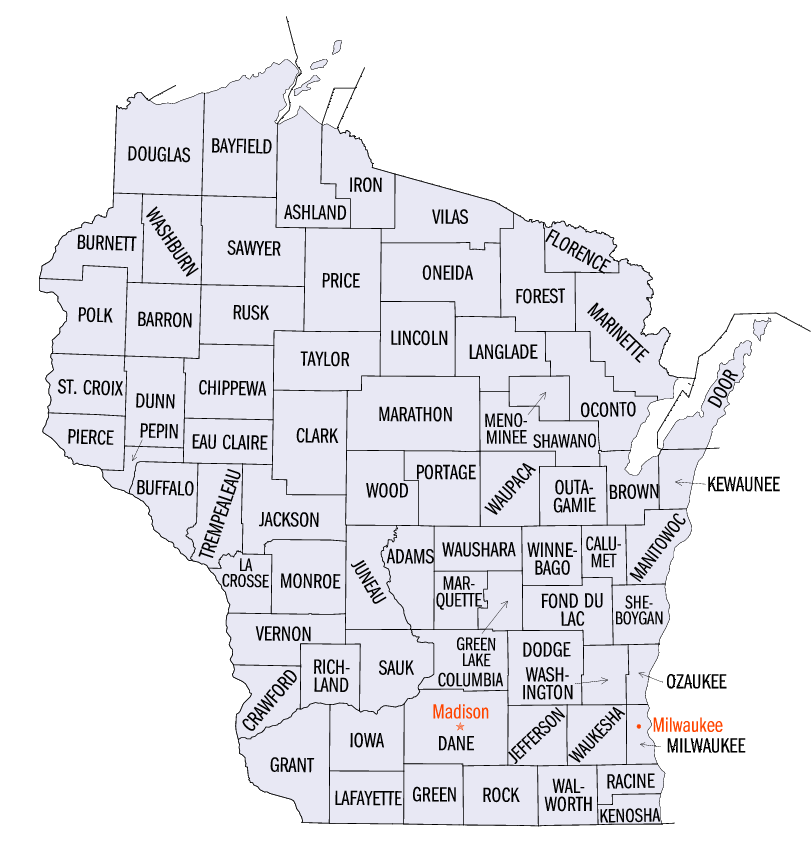
If you're a business owner or consumer in Green County, Wisconsin, it's important to understand the local sales tax landscape. Nestled in the heart of the Badger State, Green County boasts charming small towns such as Monroe, known for its Swiss heritage and vibrant cheese-making culture. As you engage in business or shopping within this picturesque area, you'll encounter a sales tax that falls within the range of Infinity% to -Infinity%. This Green County sales tax contributes to the local economy, supporting vital services and infrastructure. In this guide, we'll explain how the sales tax rate is determined, including the factors that come into play, so you can feel confident navigating this essential aspect of doing business in Green County. Whether you're a new entrepreneur or an established retailer, understanding these rates will help you comply with local laws and plan your finances more effectively.


State Sales Tax Rate
NaN%
County Sales Tax Rate
Infinity% - -Infinity%
City Sales Tax Rate
Infinity% - -Infinity%
Special Sales Tax Rate
Infinity% - -Infinity%
Combined Sales Tax Rate
Infinity% - -Infinity%
Looking for a specific city?
Get your first Sales Tax filing free!
FlyFin CPAs offer precise sales tax filing with full audit insurance & a 100% money-back guarantee.


Trusted by 250k+ freelancers


What's in this article?
- Understanding Sales and Use Tax?
- Variations in Sales and Use Tax Across Green County, Wisconsin
- What Goods and Services Are Taxable in Green County, Wisconsin?
- Which Services Are Not Subject to Sales Tax in Green County, Wisconsin?
- Understanding Sales Tax Nexus and Its Impact
- Sales Tax Nexus Rates in Green County, Wisconsin Explained
- Deadlines for Sales Tax Returns in Green County, Wisconsin
- Steps to Take If You Miss a Sales Tax Filing Deadline in Green County, Wisconsin
- Preparing Your Sales Tax Return: A Step-by-Step Guide
- Obtaining a Sales Tax Permit in Green County, Wisconsin
Understanding Sales and Use Tax?
Understanding what goods and services are taxable in Green County, Wisconsin, is crucial for both consumers and business owners. Generally, most tangible personal property, such as clothing, electronics, and household items, is subject to sales tax. This means when you purchase items like a new laptop or a pair of shoes, the Green County Wisconsin sales tax will apply. However, not everything is taxable. Specific exemptions exist, particularly for essential items. For instance, most groceries are exempt from sales tax, which includes items like bread, milk, eggs, and fresh fruits and vegetables. In a similar vein, prescription medications are also exempt, so you won’t pay sales tax when picking up your prescribed drugs at the pharmacy. Businesses also need to be cautious about which services are considered taxable. Generally, services related to personal property, like maintenance or repairs, are taxable, while services related to real estate, such as selling a house or landscaping, are usually not. Being aware of these taxable goods and services will not only help consumers save money but will also assist businesses in correctly charging their customers. This knowledge ensures that both parties comply with the local sales tax regulations effectively.
Variations in Sales and Use Tax Across Green County, Wisconsin
Variations in sales and use tax across different cities in Green County, Wisconsin, can significantly impact both consumers and business owners. Although the state sales tax rate is set at NaN, local jurisdictions may adjust their rates, leading to differences within the cities of Green County itself. This is important because while most businesses will apply the base rate, individual locations may have additional sales or use taxes that apply to certain transactions.
As you navigate purchasing in Green County, it's crucial to be aware of these variations. For instance, some cities might have slightly higher local sales tax rates due to specific local funding needs or initiatives. To get a clearer picture of how these rates vary by location, check out the table below.
Sales Tax Rate in Cities of Green County, Wisconsin
You can also estimate what you'll owe in sales tax by using our Sales Tax Calculator at the top of the page. This handy tool can help you quickly figure out your total costs without the need to sift through the varying tax rates by city. Understanding these nuances in the sales tax across Green County's cities will empower you to make informed decisions, whether you're shopping or running a business.
Sales Tax Rate in Cities of Green County, Wisconsin


Quick Tip :
Quick Tip: Always check the local sales tax rate for your specific area in Green County before making a purchase. For added ease, consider using FlyFin to manage your tax calculations effortlessly!
What Goods and Services Are Taxable in Green County, Wisconsin?
Understanding what goods and services are taxable in Green County, Wisconsin, is crucial for both consumers and business owners. Generally, most tangible personal property, such as clothing, electronics, and household items, is subject to sales tax. This means when you purchase items like a new laptop or a pair of shoes, the Green County Wisconsin sales tax will apply. However, not everything is taxable. Specific exemptions exist, particularly for essential items. For instance, most groceries are exempt from sales tax, which includes items like bread, milk, eggs, and fresh fruits and vegetables. In a similar vein, prescription medications are also exempt, so you won’t pay sales tax when picking up your prescribed drugs at the pharmacy. Businesses also need to be cautious about which services are considered taxable. Generally, services related to personal property, like maintenance or repairs, are taxable, while services related to real estate, such as selling a house or landscaping, are usually not. Being aware of these taxable goods and services will not only help consumers save money but will also assist businesses in correctly charging their customers. This knowledge ensures that both parties comply with the local sales tax regulations effectively.
Which Services Are Not Subject to Sales Tax in Green County, Wisconsin?
In Green County, Wisconsin, knowing which services are not subject to sales tax is just as important as understanding what is taxable. Certain services are specifically exempt from the Green County sales tax rate, making them more affordable for consumers and businesses alike. For example, professional services such as legal advice or accounting are typically not taxed. If you hire a lawyer for a consultation or an accountant for tax preparation, you won’t incur sales tax on those fees. Additionally, health care services are exempt, meaning visits to doctors, dentists, or physical therapists are free from sales tax. Another category of exempt services includes educational services. Tuition for public and private schools, as well as services provided by qualified tutors, are not subject to sales tax. Similarly, many charges for repairs or alterations to real property, like home improvement projects, also fall under this exemption, including roofing or plumbing services. Being aware of these non-taxable services not only aids consumers in making informed decisions but also helps businesses accurately charge for their services. By understanding the distinctions in service taxation, both buyers and sellers can ensure compliance with local regulations regarding sales tax.
Understanding Sales Tax Nexus and Its Impact
Understanding sales tax nexus is essential for both businesses and consumers in Green County, WI. Nexus refers to the connection a business has with a state that obligates it to collect sales tax. This means that even if a business doesn't have a physical store in Green County, it could still be responsible for collecting and remitting the Green County WI sales tax if it has established a sufficient connection. The concept of nexus can be complex, as it includes various factors such as having a physical presence, employees, or significant sales to customers in the area. For instance, if a business sells products online and ships them to customers in Green County, the sales tax nexus rules may apply depending on how much it sells in that region. Understanding these regulations is vital for business owners to ensure compliance and avoid potential penalties. As we delve deeper into this topic, we’ll explore the different types of sales nexus that can affect businesses, ensuring that both buyers and sellers are well-informed about their responsibilities when it comes to sales tax.
What is Physical Nexus?


Physical nexus occurs when a business has a tangible presence in a state, meaning it has a location or employees there. This can include an office, warehouse, or even a sales representative. For example, if a company has a store in Monroe, Green County, it must collect the local sales tax on sales made at that location, as it has established physical nexus in Wisconsin.
What is Economic Nexus?

Economic nexus refers to a business's obligation to collect sales tax based on its sales volume or transactions within a state, rather than a physical presence. For instance, if an online retailer makes over a certain dollar amount in sales or completes numerous transactions with customers in Green County, it must start collecting the local sales tax, even without a physical store.
What is Affiliate Nexus?

Affiliate nexus occurs when a business has partnerships with affiliates or third parties in a state that promote its products, resulting in sales. For example, if a national retailer has an affiliate in Green County who earns commissions by referring customers, that retailer may need to collect local sales tax on sales made through those referrals, establishing affiliate nexus.
What is Click-Through Nexus?

Click-through nexus is established when a business generates sales through links from websites located in a specific state, creating a tax obligation. For example, if an online store has links or ads on a Green County website and makes sales from clicks originating there, it may be required to collect local sales tax due to click-through nexus.
Quick Tip :
Quick Tip: Regularly review your sales activities to determine if a nexus exists in Green County. Consider using FlyFin for streamlined compliance and to keep track of your sales tax obligations.
Sales Tax Nexus Rates in Green County, Wisconsin Explained
Sales tax nexus rates in Green County, Wisconsin, vary depending on the type of nexus established, such as physical, economic, or click-through nexus. For businesses, understanding these rates is critical, as they directly impact the obligation to collect and remit sales tax. In Green County, if a business exceeds certain sales thresholds, it becomes responsible for collecting sales tax Green County on its taxable sales.
These threshold limits help ensure that smaller businesses are not burdened with tax collection responsibilities. For instance, they often focus on businesses with significant sales volume or those that reach a specific number of transactions within the county. To clarify these rates and thresholds, check out the table below.
Wisconsin Economic Nexus Threshold
Sales Threshold
- $100,000 in sales only
- Evaluated over the current or previous calendar year
- Effective from October 1, 2018
Included Transactions
- Annual gross sales of tangible personal property into the state
- Annual gross sales of services (taxable and exempt) into the state
- Exempt sales
- Sales made through a registered marketplace facilitator
Excluded Transactions
- None
You can also get a better understanding of how sales nexus works for your business through various tax resources and tools available online.
Wisconsin Economic Nexus Threshold
Sales Threshold
- $100,000 in sales only
- Evaluated over the current or previous calendar year
- Effective from October 1, 2018
Included Transactions
- Annual gross sales of tangible personal property into the state
- Annual gross sales of services (taxable and exempt) into the state
- Exempt sales
- Sales made through a registered marketplace facilitator
Excluded Transactions
- None
Deadlines for Sales Tax Returns in Green County, Wisconsin
Deadlines for sales tax returns in Green County, Wisconsin, are essential for businesses to meet to avoid penalties and ensure compliance. Generally, businesses are required to file their sales tax returns on a regular schedule, which can be monthly, quarterly, or annually, depending on their sales volume and the Green County sales tax rate. For instance, businesses that collect a larger amount of sales tax may need to file monthly, while those with lower sales figures might qualify for quarterly or annual filing. It's crucial to remain aware of these deadlines, as missing one can result in late fees and interest. To stay organized, consider setting reminders for upcoming due dates or utilizing accounting software that tracks these obligations for you. Consistent record-keeping also helps ensure all sales tax collected is reported accurately by the deadline. By paying attention to these timelines, businesses can maintain good standing and avoid unnecessary stress related to tax compliance. The next section will discuss what to do if you miss a filing deadline in Green County, Wisconsin.
Quick Tip :
Quick Tip: Set up automatic reminders for your sales tax return deadlines to avoid late fees. Consider using FlyFin to simplify tracking and manage your compliance efficiently!
Get instant answers to all your
sales tax questions with A.I.
Ask anything about taxes...
4.9 out of 5
Top questions asked by freelancers today
Steps to Take If You Miss a Sales Tax Filing Deadline in Green County, Wisconsin
If you miss a sales tax filing deadline in Green County, Wisconsin, it’s important to act quickly to minimize penalties and resolve the situation. Here are steps you can take: 1. File as Soon as Possible: Don't delay in filing your return, even if it's late. Submitting your sales tax return promptly can help reduce any additional penalties incurred from late filings. 2. Calculate What You Owe: Make sure to accurately calculate the Wisconsin sales tax Green County that you owe. Include any sales tax you collected during the period, along with any potential penalties or interest from the late filing. 3. Pay the Penalties: Be prepared to pay any late fees associated with missing the deadline. Understanding the specific penalty structure in Green County will help you know what to expect. 4. Contact the Tax Authority: If you have a valid reason for missing the deadline, consider contacting the Wisconsin Department of Revenue. They may be able to grant you a waiver for penalties, especially if this is your first instance of a late filing. 5. Review Your Process: Take time to assess your sales tax filing process and identify what led to the missed deadline. Implementing better tracking or reminders can help prevent this issue in the future. By following these steps, you can mitigate the impact of a missed filing and prepare for more timely compliance in the future. The next section will guide you on how to prepare your sales tax return effectively.
Preparing Your Sales Tax Return: A Step-by-Step Guide
To prepare your sales tax return, you first need to gather all the necessary information about your sales transactions. This includes knowing which of your sales are taxable under Green County Wisconsin sales tax rules. Understanding your transactions will help ensure you report accurately and avoid any discrepancies. Next, it's crucial to identify the areas of sale that apply to your business. Different products and services can have specific tax rules, and knowing these can make your preparation smoother. Once you have this clarity, you can successfully tackle your sales tax return filing. Let's delve deeper into identifying taxable sales transactions.
Recognizing Which Sales Are Taxable
Determining Sales Locations for Tax Purposes
Get the right tax CPA for your sales tax today!
FlyFin CPAs offer precise sales tax filing at a 5x cheaper price.FlyFin also provides full audit insurance with a 100% money back guarantee.


Preparing your sales tax return can be a daunting task, especially with the intricacies of identifying taxable sales, determining sales locations, and calculating the correct amounts. With the step-by-step process outlined above, you have a solid foundation for managing your sales tax obligations. However, for maximum accuracy and peace of mind, consider leveraging the expertise of FlyFin. FlyFin’s Sales Tax CPAs, combined with advanced AI technology, are equipped to assist you in navigating the complexities of filing your sales tax in Green County Wisconsin. This ensures that your returns are filed accurately and efficiently, minimizing the risk of errors or missed deadlines. Don’t leave your sales tax preparation to chance—let FlyFin handle it for you. To help you get started, use our Sales Tax Calculator to assess your obligations quickly and easily.
Obtaining a Sales Tax Permit in Green County, Wisconsin
Obtaining a sales tax permit in Green County, Wisconsin, is essential for any business looking to sell goods or services subject to sales tax. The process is straightforward but involves some necessary steps to ensure compliance with local regulations. First, you need to apply for a sales tax permit through the Wisconsin Department of Revenue. This can typically be done online via their website, where you can complete the application form. You'll need to provide essential details about your business, such as your legal business name, structure (like sole proprietorship or LLC), and estimated sales. Once your application is submitted, the Department of Revenue will review it. After approval, your sales tax permit will be issued, allowing you to legally collect sales tax in Green County. Remember, it’s crucial to display your permit prominently at your place of business, as this demonstrates compliance with state regulations. To maintain your permit and avoid any issues, ensure that you file your sales tax returns on time and keep accurate records of all sales transactions. This will help you stay organized and compliant with sales tax regulations in Green County. If you have any questions about this process, consider consulting with a tax professional or using services like FlyFin for swift assistance.
Conclusion
Understanding the ins and outs of sales tax in Green County is vital for both business owners and consumers. The journey begins with recognizing the types of products and services that are taxable and identifying where sales occur, which influences the applicable tax rates. Knowing about sales tax nexus—be it physical, economic, affiliate, or click-through—helps define your obligations, especially if you operate in or sell to customers in the area. Filing sales tax returns accurately by keeping clear documentation and meeting deadlines can save you from potential penalties. If you find yourself missing a deadline, taking swift action is crucial in mitigating penalties and ensuring compliance. Obtaining a sales tax permit is another important step, allowing you to legally collect taxes from customers in Green County. In addition to following these guidelines, leveraging tools and resources can simplify the sales tax process. Using expert services like FlyFin can further enhance accuracy and efficiency in managing your tax returns. By staying informed and organized, you can navigate the requirements of sales tax in Green County confidently, ensuring your business remains compliant and successful. As you move forward, keep these key points in mind to support your financial health and maintain good standing with local tax authorities.
Automate sales tax calculation, reporting, and filing with FlyFin


Frequently Asked Questions
What is sales tax in Green County Wisconsin?
How much is the sales tax rate in Green County WI?
Does Green County of Wisconsin have sales tax?
What items are exempt from sales tax in Green County WI?
What is the sales tax on cars in Green County of Wisconsin?
How to verify a sales tax permit of Green County WI?
When is Green County WI sales tax due?
Sales Tax in other states
Our sales tax guides provide an overview of sales tax rates, nexus thresholds, taxable and nontaxable items, along with other valuable tax knowledge for every U.S. state.
Alabama
Alaska
Arizona
Arkansas
California
Colorado
Connecticut
Delaware
District Of Columbia
Florida
Georgia
Hawaii
Idaho
Illinois
Indiana
Iowa
Kansas
Kentucky
Louisiana
Maine
Maryland
Massachusetts
Michigan
Minnesota
Mississippi
Missouri
Montana
Nebraska
Nevada
New Hampshire
New Jersey
New Mexico
New York
North Carolina
North Dakota
Ohio
Oklahoma
Oregon
Pennsylvania
Rhode Island
South Carolina
South Dakota
Tennessee
Texas
Utah
Vermont
Virginia
Washington
West Virginia
Wisconsin
Wyoming
Alabama
Alaska
Arizona
Arkansas
California
Colorado
Connecticut
Delaware
District Of Columbia
Florida
Georgia
Hawaii
Idaho
Illinois
Indiana
Iowa
Kansas
Kentucky
Louisiana
Maine
Maryland
Massachusetts
Michigan
Minnesota
Mississippi
Missouri
Montana
Nebraska
Nevada
New Hampshire
New Jersey
New Mexico
New York
North Carolina
North Dakota
Ohio
Oklahoma
Oregon
Pennsylvania
Rhode Island
South Carolina
South Dakota
Tennessee
Texas
Utah
Vermont
Virginia
Washington
West Virginia
Wisconsin
Wyoming
Sales Tax in other counties of Wisconsin
Our sales tax guides provide an overview of sales tax rates, nexus thresholds, taxable and nontaxable items, along with other valuable tax knowledge for every county in Wisconsin
What’s FlyFin?


Expert tax CPAs ensure 100%-accurate tax filing

A.I. finds every tax deduction, eliminating 95% of your work

On average users save $3,700