File Your Sales Tax
with FlyFin
CPAs + AI makes it 20x faster and 5x cheaper
Get Your First Sales Tax Filing Free!
Sales Tax Calculator
What do you sell?
Estimated Sales Tax Breakup
For Total Sales of $146,000
Monthly
Annual
Brackets
Rates
Income
$146,000
Sales Tax Rate
Infinity% - -Infinity%
Total Sales Tax
$Infinity.undefined - $-Infinity.undefined
The current total sales tax in Taylor is Infinity% - -Infinity%, covering state and county taxes. Presently, Texas state sales tax is NaN%, while the county tax is Infinity% - -Infinity%. Additionally, City imposes a sales tax of Infinity% - -Infinity%.
Sales Tax in Taylor
Understanding sales tax is crucial for businesses operating in Taylor, Texas. Sales tax affects pricing strategies, profit margins, and compliance obligations. For business owners and consumers alike, knowing the ins and outs of sales tax can make a significant difference in financial planning and decision-making.
Breakdown of Sales Tax Rates in Texas
State Tax Rates
NaN%
County Tax Rates
Infinity% - -Infinity%
City Tax Rates
Infinity% - -Infinity%
Total Tax Rate
Infinity% - -Infinity%
Table of contents
What is Sales Tax in Taylor
Sales tax in Taylor is a consumption tax imposed on the sale of goods and services. It is collected by the seller at the point of sale and passed on to the government. The tax is typically a percentage of the purchase price, and it varies depending on the type of goods or services sold. Understanding the sales tax structure in Taylor is essential for businesses to ensure compliance and for consumers to understand the true cost of their purchases.
Sales Taxable and Exempt Items in Taylor
In Taylor, certain items are subject to sales tax, while others are exempt. Taxable items typically include tangible personal property such as electronics, clothing, and furniture. Services like repair and maintenance might also be taxable. However, there are exemptions; for instance, groceries, prescription medications, and certain medical devices are generally exempt from sales tax. Businesses must be aware of these distinctions to ensure they are charging the correct tax rate.
How Sales Tax is Calculated in Taylor
Calculating sales tax in Taylor involves applying the appropriate sales tax rate to the taxable amount of a transaction. Businesses can use a Taylor sales tax calculator to determine the exact amount to charge customers. The sales tax rate in Taylor Texas includes both state and local components, and businesses need to stay updated with any changes to these rates to remain compliant.
How to Make Sales Tax Compliance Easier and More Efficient
With sales tax laws constantly changing, using an app like FlyFin helps simplify sales tax management. FlyFin is changing the tax industry by combining artificial intelligence with the skills of professional CPAs. It handles both simple and complicated filings, offering accurate results 20 times faster and at 5 times the savings. Plus, FlyFin offers your first sales tax filing for free, allowing you to focus on your business while they manage the tax complexities for you.
Common Misconceptions about Sales Tax in Taylor
One common misconception is that all goods and services are subject to the same sales tax rate. However, the Taylor sales tax rate can vary based on the type of product or service. Another misconception is that online sales are exempt from sales tax, but businesses with a significant presence in Texas may still be required to collect sales tax.
Affiliate Nexus in Taylor: What It Means for Businesses
Affiliate nexus refers to the connection a business has with a state that obligates it to collect sales tax. In Taylor, businesses with affiliates or subsidiaries in Texas may be required to collect sales tax, even if they do not have a physical presence in the state. Understanding affiliate nexus is crucial for compliance.
Where to Apply for a Sales Tax Permit in Taylor
Businesses in Taylor must apply for a sales tax permit through the Texas Comptroller of Public Accounts. This permit allows businesses to legally collect sales tax from customers. It is essential for businesses to obtain this permit before making taxable sales.
Late Filing Penalties for Sales Tax in Taylor
Failing to file sales tax returns on time can result in penalties and interest charges. In Taylor, timely filing is crucial to avoid these additional costs, and businesses should implement systems to ensure compliance with filing deadlines.
Small Retailer Compliance Strategies in Taylor
For small retailers in Taylor, compliance with sales tax regulations can be challenging. Strategies such as using automated sales tax software, staying informed about tax rate changes, and seeking professional advice can help ensure compliance and reduce the risk of errors.
The Role of Taylor in State-Wide Sales Tax Decisions
Taylor plays a significant role in state-wide sales tax decisions, as local tax policies can influence broader state tax strategies. Businesses in Taylor must stay informed about both local and state tax developments to ensure compliance and strategic planning.
How Local Sales Tax Supports Infrastructure Development in Taylor
Local sales tax revenue in Taylor is a vital source of funding for infrastructure projects such as road maintenance, public transportation, and community facilities. These projects not only improve the quality of life for residents but also support local businesses by enhancing the area's appeal and accessibility.
Infrastructure projects in Taylor, supported by local sales tax revenue, provide significant benefits to the community and businesses. Improved roads, public facilities, and transportation systems can lead to increased business activity and attract new investments. Businesses should expect continued infrastructure improvements as a result of local sales tax contributions, which can enhance their operations and customer reach.
Sales Tax Rate in Major Counties of Texas
County
Total Sales Tax Rate
Facts and figures about
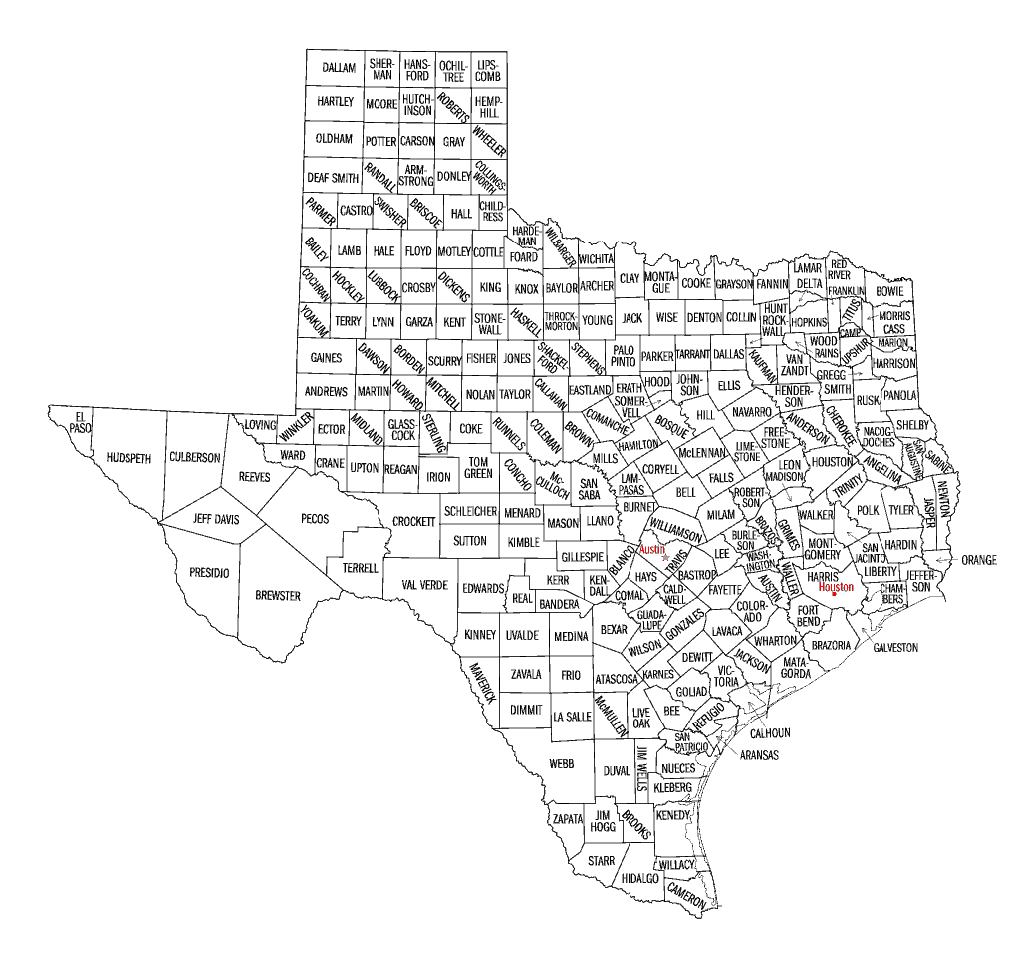
County, Texas
57,224
CPAs across the state




29,145,505
Residents as of 2022

1,964,110
People claiming self- employment tax deductions

663,210
S-Corps statewide

1,037,640
People taking itemized deductions

1,772,000
People claiming the QBI deduction
😵💫 1 CPA for every 300 people in Texas = high CPA charges
😓 19 million Americans missed the tax filing deadline last year
😨 30 million people miss tax deductions without expert help
😣 Almost 50% of Americans end up overpaying
Texas State Income Tax Rates & Brackets for 2023
The following tables represents Texas's income tax rates and tax brackets:
SINGLE FILER
Brackets
Rates
n.a
none
MARRIED FILING JOINTLY
Brackets
Rates
n.a
none
Filing Status
Standard Deduction Amt.
Single
n.a.
Couple
#VALUE!
Frequently Asked Questions
How does sales tax filing in Texas work?
Who is required to file sales tax returns?
Do I need to charge sales tax for online sales in Texas?
How often do I need to file sales tax returns in Texas?
What happens if I miss a sales tax filing deadline in Texas?
How can FlyFin CPAs help with sales tax in Texas?
Sales Tax in other states
Sales Tax in other Counties of Texas
What’s FlyFin?


Expert tax CPAs ensure 100%-accurate tax filing

A.I. finds every tax deduction, eliminating 95% of your work

On average users save $3,700