Sales Tax Calculator
Find your sale taxes in a minute
Calculate Your Sales Tax with FlyFin
Automate your tax calculations and
filing with FlyFin
What do you sell?


Sales Tax Guide of
Seattle
Sales Tax in Seattle, Washington
If you're living or operating a business in the Emerald City, understanding the Seattle sales tax rate is crucial for keeping your finances in check. Known for its iconic Space Needle and vibrant coffee culture, Seattle is not only a bustling hub of innovation and entrepreneurship but also a place where taxes play a pivotal role in everyday transactions. In Seattle, the total sales tax rate ranges from Infinity% to -Infinity%, depending on the specific area within the city. It's essential to know how this rate comes together, as it involves a mix of state, local, and special district taxes. Here, we’ll break down the components of the sales tax rate in Seattle and guide you on how to handle it effectively, whether you're a resident or a business owner.

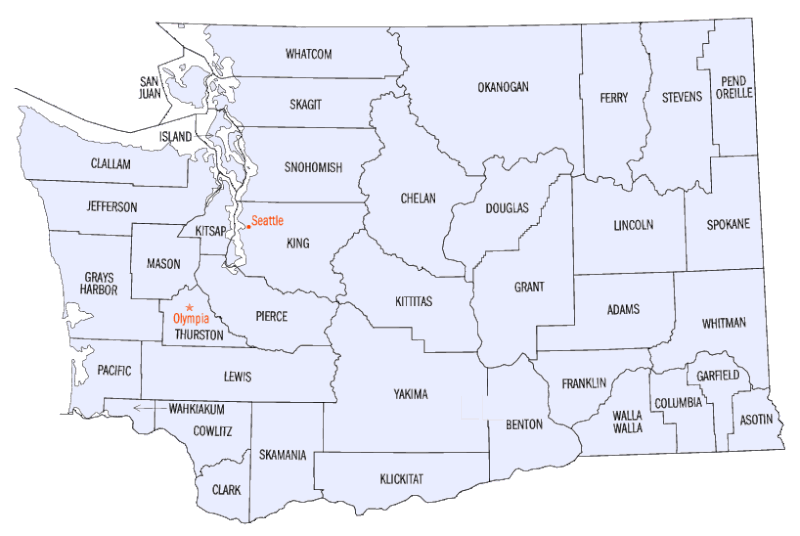

State Sales Tax Rate
NaN%
County Sales Tax Rate
Infinity% - -Infinity%
City Sales Tax Rate
Infinity% - -Infinity%
Special Sales Tax Rate
Infinity% - -Infinity%
Combined Sales Tax Rate
Infinity% - -Infinity%
Looking for a specific area?
Get your first Sales Tax filing free!
FlyFin CPAs offer precise sales tax filing with full audit insurance & a 100% money-back guarantee.


Trusted by 250k+ freelancers


What's in this article?
- Understanding Sales and Use Tax
- Seattle's Unique Variation in Sales and Use Tax
- Taxable vs Non-Taxable Items in Seattle
- Exempt Services from Sales Tax in Seattle
- Understanding Sales Tax Nexus and Its Effects
- Seattle Sales Tax Nexus Rates Explained
- Seattle Sales Tax Return Deadlines
- Steps to Take if You Miss a Sales Tax Filing Deadline in Seattle
- Preparing Your Sales Tax Return: A Step-by-Step Guide
- Obtaining a Sales Tax Permit in Seattle
Understanding Sales and Use Tax
Understanding what's taxable and what's not under Seattle's sales tax can save you from unwelcome surprises at the checkout. In general, most tangible goods and some services are subject to sales tax in Seattle. This includes everything from clothing and electronics to home appliances. However, there are certain exemptions worth noting. For example, many essential grocery items like fruits, vegetables, meat, and bread are not taxed. So, when you're picking up fresh apples or a loaf of whole-grain bread at your local market, you won't see sales tax added to your bill. Similarly, prescription medications are exempt, meaning your costs for required treatments, such as antibiotics or blood pressure medicines, are lowered by not having additional tax. For those who are shopping or conducting business, utilizing resources like the Seattle sales tax 2024 calculator can be incredibly helpful. This tool can assist in calculating the tax you’ll need to pay on different kinds of purchases, helping you budget accurately. As you navigate through what items you need, knowing this list of taxable versus non-taxable goods can assist immensely. But what about services? Fortunately, some services in Seattle have their own set of rules regarding sales tax exemptions, which we'll explore next.
Seattle's Unique Variation in Sales and Use Tax
Seattle's sales and use tax rates can vary based on several local factors, and understanding these variations can help you stay informed and compliant. The city of Seattle sales tax is composed of several parts, including the state sales tax, which is NaN, plus additional local taxes that can change depending on where you are in the city. Each city district might have different add-ons, and so the exact total sales tax rate can differ from one area to another within Seattle.
To make it easier for you, we've included a table below that breaks down the varying sales tax rates by city within Seattle. You’ll find it especially useful if you’re looking to understand how the rates differ within different parts of the city.
Sales Tax Rates in Other Major Cities of Washington
If you prefer a quicker way to get the specifics without diving into the details, you can use our handy Sales Tax Calculator at the top of this page. This tool offers a simple and efficient way to calculate the exact sales tax for your transactions in Seattle.
Remember, these variations and local factors play a significant role in determining the overall sales tax applicable to your purchases. So whether you're buying locally or planning to use out-of-state purchases within Seattle, knowing how these components intertwine is essential for effective financial planning.
Sales Tax Rates in Other Major Cities of Washington


Quick Tip :
Consider tracking where you shop or do business within Seattle, as different areas may have different sales tax rates. This awareness can help you plan expenses more accurately.
Taxable vs Non-Taxable Items in Seattle
Understanding what's taxable and what's not under Seattle's sales tax can save you from unwelcome surprises at the checkout. In general, most tangible goods and some services are subject to sales tax in Seattle. This includes everything from clothing and electronics to home appliances. However, there are certain exemptions worth noting. For example, many essential grocery items like fruits, vegetables, meat, and bread are not taxed. So, when you're picking up fresh apples or a loaf of whole-grain bread at your local market, you won't see sales tax added to your bill. Similarly, prescription medications are exempt, meaning your costs for required treatments, such as antibiotics or blood pressure medicines, are lowered by not having additional tax. For those who are shopping or conducting business, utilizing resources like the Seattle sales tax 2024 calculator can be incredibly helpful. This tool can assist in calculating the tax you’ll need to pay on different kinds of purchases, helping you budget accurately. As you navigate through what items you need, knowing this list of taxable versus non-taxable goods can assist immensely. But what about services? Fortunately, some services in Seattle have their own set of rules regarding sales tax exemptions, which we'll explore next.
Exempt Services from Sales Tax in Seattle
While many goods in Seattle are subject to sales tax, certain services enjoy exemptions, which can help reduce your overall expenses when you know where they apply. Understanding these exempt services can provide a clearer picture of your financial responsibilities regarding the sales tax in Seattle, WA. Services that are generally exempt from sales tax include those related to personal and professional aspects, like medical and healthcare services. So, if you're visiting a doctor for a check-up or undergoing physical therapy, these services won't include sales tax, keeping your healthcare costs a bit more manageable. Additionally, some financial services, such as loan and mortgage services, are also exempt. Banking fees for ATM usage or checking account maintenance usually don't have Seattle sales tax applied to them, which is important to realize as you manage your finances. Another example includes educational services, such as tuition and fees for private school education or tutoring services. These services do not incur additional tax, allowing families to focus more on educational goals rather than tax burdens. Knowing about these exemptions can be extremely beneficial, especially when planning your expenses. Next, we'll delve into the concept of sales tax nexus, an important factor affecting taxation for businesses operating within Seattle.
Understanding Sales Tax Nexus and Its Effects
Grasping the concept of sales tax nexus is pivotal for both businesses and consumers in Seattle. At its core, sales tax nexus refers to the connection or link a business has with a state, compelling it to collect sales taxes on sales within that state. This connection can be established through various activities like having a physical presence, or even conducting a significant volume of sales. In the context of the city of Seattle sales tax, understanding whether your business activities create a nexus is crucial. For instance, if a business operates a storefront in Seattle, it certainly has a sales tax nexus and must collect and remit sales tax to the state. Likewise, having employees or owning a warehouse in Seattle could also establish this connection. Sales tax nexus isn't only defined by a physical footprint; economic factors such as the number of transactions or the dollar amount of annual sales might also trigger a tax obligation. This is known as economic nexus and has become an increasingly relevant factor due to the rise of e-commerce and remote selling. As this concept is essential for determining tax liabilities, we'll be breaking down different types of sales nexus in the following sections to offer a clearer understanding of how specific scenarios may apply. Understanding these nuances can help ensure compliance with Seattle's tax regulations.
What is Physical Nexus?


Physical Nexus occurs when a business has a tangible presence in a state, like a storefront, office, or warehouse. For instance, if a Seattle-based shop sells electronics, their physical presence there creates a nexus, requiring them to collect and remit sales tax for purchases made at that location.
What is Economic Nexus?

Economic Nexus refers to a tax obligation created by economic activity like sales volume rather than physical presence. For example, if an online retailer ships large volumes of products to Seattle, exceeding set thresholds, they develop an economic nexus, obliging them to collect city of Seattle sales tax even without a physical base there.
What is Affiliate Nexus?

Affiliate Nexus arises when a business has ties with an affiliate in a state that helps sell or promote its products. For example, if a company based outside Seattle uses a local Seattle affiliate to market its goods, this connection could create a nexus, requiring the collection of Seattle sales tax on sales through that affiliate’s efforts.
What is Click-Through Nexus?

Click-Through Nexus occurs when out-of-state sellers enter online agreements with in-state residents, who earn commissions for driving business through links. For example, if a Seattle blogger links to an e-commerce site and earns commissions from sales generated through their website, this can establish a nexus, requiring tax collection for sales in Seattle.
Quick Tip :
Regularly review your business activities to ensure no new nexus obligations arise, especially with changes in sales volume or market reach through affiliates and online sales.
Seattle Sales Tax Nexus Rates Explained
In Seattle, understanding the nexus rates is essential for businesses operating both directly and indirectly within the city. Establishing a nexus, whether through a physical presence or through specific activities, necessitates compliance with the local sales tax regulations in Seattle, WA. For many businesses, this means the obligation to collect and remit sales tax when particular thresholds are met.
Different types of nexus—such as economic or click-through—impact whether you must charge sales tax. For instance, e-commerce businesses with substantial sales or transactions might exceed a threshold that creates a sales tax obligation, even without a physical storefront in Seattle.
The specific thresholds and rates differ, making it crucial to stay updated to ensure compliance with local regulations. To provide a clearer view of these requirements, refer to the table below, which outlines the sales tax nexus threshold limits applicable in Seattle.
Washington Economic Nexus Threshold
Sales Threshold
- $100,000 in sales only
- Evaluated over the current or previous calendar year
- Effective from October 1, 2018
Included Transactions
- Cumulative gross annual income
- Exempt sales
- Services (taxable and exempt)
- Sales for resale
- Sales made through a registered marketplace facilitator
Excluded Transactions
- None
Washington Economic Nexus Threshold
Sales Threshold
- $100,000 in sales only
- Evaluated over the current or previous calendar year
- Effective from October 1, 2018
Included Transactions
- Cumulative gross annual income
- Exempt sales
- Services (taxable and exempt)
- Sales for resale
- Sales made through a registered marketplace facilitator
Excluded Transactions
- None
Seattle Sales Tax Return Deadlines
Timely filing of sales tax returns is essential for businesses in Seattle to ensure compliance and avoid unnecessary penalties. Generally, sales tax returns are due monthly, quarterly, or annually, depending on the volume of business activities and the specific requirements set by the state. For monthly filers, returns are typically due by the 20th of the following month. So, for sales made in January, businesses need to file by February 20th. Quarterly filers should mark their calendars for the end of the month following the quarter's end. With businesses that fall into the annual filing category, returns are usually due by January 31st for the previous calendar year. To streamline this process, many businesses find it useful to use tools like the Seattle sales tax 2024 calculator. This tool aids in calculating the amount due accurately, ensuring that your returns align with your actual sales figures. Remember, getting these dates right is key to staying compliant, but if you ever find yourself behind schedule, knowing how to handle it is just as important, as we'll cover next.
Quick Tip :
Set reminders for due dates across monthly, quarterly, and annual schedules to avoid missing Seattle sales tax deadlines. For added ease, try using FlyFin to help manage your filings efficiently.
Get instant answers to all your
sales tax questions with A.I.
Ask anything about taxes...
4.9 out of 5
Top questions asked by freelancers today
Steps to Take if You Miss a Sales Tax Filing Deadline in Seattle
If you miss a sales tax filing deadline in Seattle, taking prompt action can minimize any potential penalties. First, file your sales tax return as soon as possible. The sooner it's submitted, the better. Next, estimate any penalties or interest that may apply and be prepared to pay these along with your overdue taxes. Washington State may charge interest on late sales tax payments, so it's key to understand what's owed. If you're unsure about the amount, using tools like the Seattle sales tax 2024 calculator can assist in determining your liability, ensuring you include accurate information in your submission. Additionally, contact the Washington Department of Revenue if you believe you have valid reasons for the delay. Explaining your situation might lead to a waiver or reduction of penalties, depending on their assessment. These steps can help you manage sales tax Washington Seattle concerns efficiently, even after a missed deadline. Next, we'll explore how to prepare your sales tax return effectively to avoid such situations altogether.
Preparing Your Sales Tax Return: A Step-by-Step Guide
To prepare your sales tax return effectively, start by gathering all your sales records. Look for those transactions that require reporting under seattle sales tax guidelines. Make sure to clearly identify which sales are taxable and which are not to avoid any mistakes. This can significantly simplify the filing process. Next, you’ll want to understand the different areas of sale. Knowing whether your sales fall into certain categories can affect your tax rates and obligations. Let’s dive deeper into identifying taxable sales transactions and the areas in which your sales occur.
Recognizing Taxable Sales Transactions
Determining Areas of Sale
Get the right tax CPA for your sales tax today!
FlyFin CPAs offer precise sales tax filing at a 5x cheaper price.FlyFin also provides full audit insurance with a 100% money back guarantee.


Assembling your Seattle sales tax return can seem daunting, but with the right approach and tools, it becomes manageable. The comprehensive steps discussed—from gathering documents, utilizing the Seattle sales tax 2024 calculator, verifying local tax rates, to identifying taxable transactions and sale areas—set a solid groundwork. However, for thoroughness and peace of mind, FlyFin's services can elevate this process. FlyFin combines the expertise of Sales Tax CPAs with advanced AI technology to ensure your sales tax in Seattle WA is filed with precision and efficiency. This approach minimizes errors and maximizes compliance, saving you time and preventing potential pitfalls. For a seamless experience, explore FlyFin's capabilities here, and let their team simplify your tax journey while you focus on growing your business.
Obtaining a Sales Tax Permit in Seattle
Securing a sales tax permit is a critical step for any business looking to operate in Seattle. This permit allows you to legally collect sales tax from customers, a key component of staying compliant. To obtain the permit, you'll first need to apply through the Washington State Department of Revenue. The application typically requires details about your business, such as your Federal EIN or Social Security Number, business address, and type of organization. Once approved, you’ll receive your Unified Business Identifier (UBI), which serves as your sales tax permit. Remember, having this permit is not just a regulatory formality; it's essential for the legal collection of sales tax in the city. Utilizing tools like the Seattle sales tax 2024 calculator can streamline tax management once your permit is active, ensuring accurate and timely filings. In the next section, we'll draw everything together with a conclusion, reflecting on the journey of handling sales tax in Seattle efficiently.
Conclusion
In Seattle, understanding and managing sales tax is crucial for both businesses and residents. We've unraveled the components of the sales tax, highlighting that it involves not just state taxes but local additions that vary across areas within the city. Knowing the difference between sales and use tax, and recognizing Seattle's unique tax variations, empowers you to handle your transactions accurately. We've delved into the nuances of nexus, explaining physical and economic connections and how these determine your tax collection obligations. Familiarize yourself with exempt services and understand taxable goods to avoid unnecessary tax payments. When deadlines shift, calculators like the Seattle sales tax 2024 calculator prove invaluable, helping keep your filings precise and timely. For businesses, obtaining a sales tax permit is a foundational step in legally conducting operations. Ensuring your company remains compliant with local tax standards not only protects you from fines but strengthens customer trust. Through this guide, we’ve offered comprehensive steps for preparing and filing returns efficiently while highlighting the support provided by FlyFin’s blend of CPA expertise and AI technology. This ensures precision and eases the burden on business owners, allowing focus on growth rather than tax woes. Whether it's understanding basic terms or effectively filing taxes, these insights prepare you to confidently handle your responsibilities in Seattle. By leveraging these tools and understanding processes, tax season becomes a manageable part of doing business in the vibrant city of Seattle.
Automate sales tax calculation, reporting, and filing with FlyFin


Frequently Asked Questions
What is the sales tax in Seattle?
Does Seattle have sales tax?
Why is Seattle sales tax so high?
When did Seattle sales tax increase?
Are there sales tax on gym memberships in Seattle?
Do online businesses collect sales tax in Seattle?
Does food have sales tax applied in Seattle, Washington?
Sales Tax in other states
Our sales tax guides provide an overview of sales tax rates, nexus thresholds, taxable and nontaxable items, along with other valuable tax knowledge for every U.S. state.
Alabama
Alaska
Arizona
Arkansas
California
Colorado
Connecticut
Delaware
District Of Columbia
Florida
Georgia
Hawaii
Idaho
Illinois
Indiana
Iowa
Kansas
Kentucky
Louisiana
Maine
Maryland
Massachusetts
Michigan
Minnesota
Mississippi
Missouri
Montana
Nebraska
Nevada
New Hampshire
New Jersey
New Mexico
New York
North Carolina
North Dakota
Ohio
Oklahoma
Oregon
Pennsylvania
Rhode Island
South Carolina
South Dakota
Tennessee
Texas
Utah
Vermont
Virginia
Washington
West Virginia
Wisconsin
Wyoming
Alabama
Alaska
Arizona
Arkansas
California
Colorado
Connecticut
Delaware
District Of Columbia
Florida
Georgia
Hawaii
Idaho
Illinois
Indiana
Iowa
Kansas
Kentucky
Louisiana
Maine
Maryland
Massachusetts
Michigan
Minnesota
Mississippi
Missouri
Montana
Nebraska
Nevada
New Hampshire
New Jersey
New Mexico
New York
North Carolina
North Dakota
Ohio
Oklahoma
Oregon
Pennsylvania
Rhode Island
South Carolina
South Dakota
Tennessee
Texas
Utah
Vermont
Virginia
Washington
West Virginia
Wisconsin
Wyoming
Sales Tax in other cities of
Our sales tax guides provide an overview of sales tax rates, nexus thresholds, taxable and nontaxable items, along with other valuable tax knowledge for every city in , Washington
What’s FlyFin?


Expert tax CPAs ensure 100%-accurate tax filing

A.I. finds every tax deduction, eliminating 95% of your work

On average users save $3,700