Sales Tax Calculator
Find your sale taxes in a minute
Calculate Your Sales Tax with FlyFin
Automate your tax calculations and
filing with FlyFin
What do you sell?


Sales Tax Guide of
Fairfax
Sales Tax in Fairfax County, Virginia
Fairfax County, Virginia, is a bustling suburban area located just outside of Washington, D.C., known for its vibrant communities, outstanding schools, and numerous parks. Whether you're a resident or business owner in this dynamic region, understanding sales tax in Fairfax County is essential for compliance and financial planning. Currently, the sales tax rate in Fairfax County ranges from Infinity% to -Infinity%, depending on various factors, including state and local laws. In this guide, we'll explain how this sales tax rate is determined and what it means for your purchases and business operations.

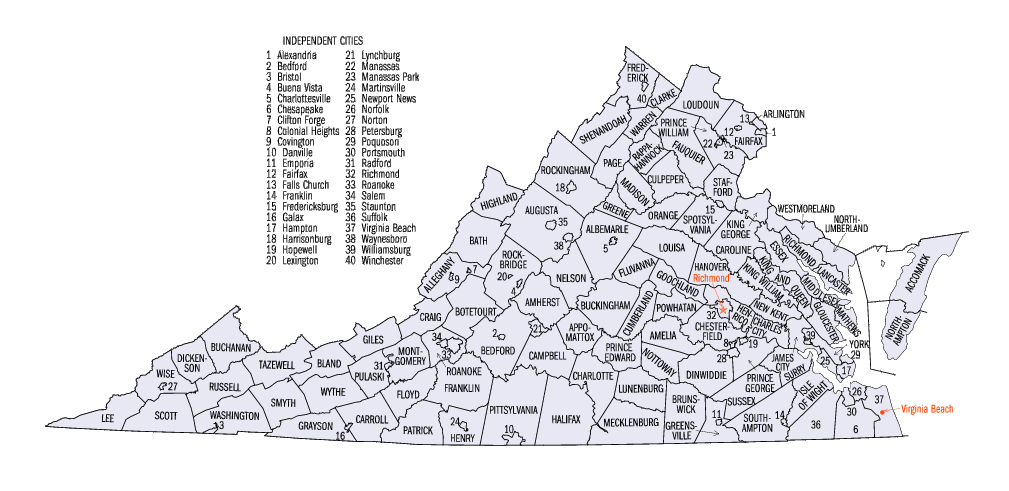

State Sales Tax Rate
NaN%
County Sales Tax Rate
Infinity% - -Infinity%
City Sales Tax Rate
Infinity% - -Infinity%
Special Sales Tax Rate
Infinity% - -Infinity%
Combined Sales Tax Rate
Infinity% - -Infinity%
Looking for a specific city?
Get your first Sales Tax filing free!
FlyFin CPAs offer precise sales tax filing with full audit insurance & a 100% money-back guarantee.


Trusted by 250k+ freelancers


What's in this article?
- What is Sales and Use Tax?
- Variations in Sales and Use Tax Across Fairfax County, Virginia
- Items Subject to Taxation vs. Exemptions in Fairfax County, Virginia
- Service Exemptions from Sales Tax in Fairfax County, Virginia
- Sales Tax Nexus: What It Means and Its Effects
- Fairfax County, Virginia Sales Tax Nexus Rates Explained
- Due Dates for Sales Tax Returns in Fairfax County, Virginia
- Missed an Fairfax County, Virginia Tax Filing Deadline? Here’s What to Do
- Preparing Your Sales Tax Return Efficiently
- How to Obtain a Sales Tax Permit in Fairfax County, Virginia
What is Sales and Use Tax?
In Fairfax County, Virginia, certain items are subject to taxation, while others qualify for exemptions. Understanding what is taxable and what isn't can help you avoid unexpected charges at checkout and ensure you’re complying with local regulations. Generally, tangible personal property, such as clothing, electronics, and household goods, are subject to the Fairfax County sales tax. However, some specific categories are exempt. For example, certain groceries are exempt from sales tax, including items like fresh fruits, vegetables, milk, and bread. Additionally, prescription medications, such as common pain relievers or allergy medications, are not taxed. It’s important to note that prepared foods, like bakery items or restaurant meals, usually do incur sales tax. As we explore whether there are any specific services exempt from sales tax in Fairfax County, it’s essential to familiarize yourself with these guidelines and be aware of the classifications of items and services.
Variations in Sales and Use Tax Across Fairfax County, Virginia
Variations in sales and use tax across Virginia can depend on several factors, including the type of goods being sold and the specific location within various cities. While the base state sales tax rate is set at NaN, local jurisdictions may add additional rates, resulting in slight variations in the total sales tax amount you might pay during your purchase.
For a clearer understanding of how these rates differ by locality within Virginia, check out the table below, which provides sales tax rate data for various cities in the state.
Sales Tax Rate in Cities of Fairfax County, Virginia
You can also get an idea of your tax obligations and calculate your expected totals easily by using our Sales Tax Calculator at the top of this page. This tool can save you time and effort compared to sifting through the varying rates in the table.
Ultimately, knowing the exact sales tax for the cities in Virginia can aid you in making informed decisions, whether you're shopping locally or running a business. Each city may have its own unique tax expectations, so staying informed is key.
Sales Tax Rate in Cities of Fairfax County, Virginia


Quick Tip :
Quick Tip: To simplify keeping track of sales tax variations in Fairfax County, consider using the FlyFin platform for easy calculations and record-keeping, ensuring you stay compliant and informed.
Items Subject to Taxation vs. Exemptions in Fairfax County, Virginia
In Fairfax County, Virginia, certain items are subject to taxation, while others qualify for exemptions. Understanding what is taxable and what isn't can help you avoid unexpected charges at checkout and ensure you’re complying with local regulations. Generally, tangible personal property, such as clothing, electronics, and household goods, are subject to the Fairfax County sales tax. However, some specific categories are exempt. For example, certain groceries are exempt from sales tax, including items like fresh fruits, vegetables, milk, and bread. Additionally, prescription medications, such as common pain relievers or allergy medications, are not taxed. It’s important to note that prepared foods, like bakery items or restaurant meals, usually do incur sales tax. As we explore whether there are any specific services exempt from sales tax in Fairfax County, it’s essential to familiarize yourself with these guidelines and be aware of the classifications of items and services.
Service Exemptions from Sales Tax in Fairfax County, Virginia
In Fairfax County, Virginia, while many tangible goods are subject to sales tax, certain services enjoy exemptions. These service exemptions are designed to ease the financial burden on residents and businesses, making essential services more accessible. A few examples of services that typically fall under the exemption category include certain medical services, educational services, and most non-repair-related services provided by professionals. For instance, services like medical care from doctors and hospitals are exempt from sales tax. Similarly, tuition fees for educational institutions, including schools and universities, are also not subject to sales tax. Additionally, personal services such as haircuts or fitness training may be exempt depending on specific conditions set by local regulations. It’s crucial to understand these nuances about sales tax in Fairfax County Virginia, as not all services are treated equally under the law. Being informed about which services qualify for exemption can help residents and business owners avoid unnecessary tax charges and budget their expenses more effectively when seeking services.
Sales Tax Nexus: What It Means and Its Effects
Sales tax nexus is a key concept that can significantly affect how businesses operate within Fairfax County and beyond. Essentially, nexus refers to the level of connection a business has with a state that allows that state to impose sales tax obligations on the business. In simpler terms, if your business has nexus in Fairfax County, it means you are required to collect and remit the Fairfax County sales tax on your sales. Nexus can be established in various ways, such as having a physical presence, employees, or even conducting significant sales through online platforms within the county. Understanding nexus is critical for businesses, especially in today’s digital marketplace, where borders between states are becoming less defined. In the following sections, we will discuss the different types of sales nexus, providing insight into how each type can influence your tax responsibilities. By grasping these concepts, business owners can better prepare to navigate their sales tax obligations effectively.
What is Physical Nexus?


Physical nexus occurs when a business has a tangible presence in a state, triggering sales tax obligations. This presence can include having a physical location, employees, or even inventory stored in that state. For example, if a retail store operates in Fairfax County, it must collect and remit the Fairfax County sales tax on sales made to customers in the area.
What is Economic Nexus?

Economic nexus refers to a situation where a business has sufficient sales or transactions in a state, even without a physical presence, triggering sales tax obligations. For instance, if an online retailer makes over a certain amount of sales to customers in Fairfax County, it may be required to collect and pay the Fairfax County sales tax, even without a store there.
What is Affiliate Nexus?

Affiliate nexus occurs when a business has connections to affiliates or partners in a state who promote its products or services, leading to sales. For example, if an online retailer pays local bloggers in Fairfax County to advertise its products and generate sales, this relationship may establish affiliate nexus, requiring the retailer to collect the Fairfax County sales tax.
What is Click-Through Nexus?

Click-through nexus applies when a business earns sales through referrals from affiliates or partners that utilize links on their websites. For instance, if an online retailer uses Virginia-based websites to direct traffic and generate sales, this may create click-through nexus. Consequently, the retailer could be obligated to collect and remit Fairfax County sales tax on those sales.
Quick Tip :
Quick Tip: To ensure compliance with sales tax nexus rules, consider using FlyFin to track your sales and help manage your tax obligations effectively, especially in complex digital transactions.
Fairfax County, Virginia Sales Tax Nexus Rates Explained
Fairfax County, Virginia sales tax nexus rates are crucial for businesses to understand, as they help determine when a business is required to collect sales tax based on their level of activity within the county. Businesses must be aware of the nexus thresholds, which vary depending on the nature and volume of sales they conduct. For instance, reaching a certain sales dollar amount from customers in Fairfax County or conducting a specific number of transactions can establish the nexus.
These thresholds ensure that businesses contributing to the local economy are also contributing fairly through tax collection. It's important for both local and out-of-state businesses to monitor their sales closely to determine whether they meet these nexus criteria.
To gain more insight into the specific sales tax nexus threshold limits in Fairfax County, check out the table below.
Virginia Economic Nexus Threshold
Sales Threshold
- $100,000 or 200 transactions
- Evaluated over the current or previous calendar year
- Effective from July 1, 2019
Included Transactions
- Sales of tangible personal property
- Products transferred electronically
- Taxable services
- Exempt sales
Excluded Transactions
- Sales for resale
- Exempt services
- Sales made through a registered marketplace facilitator
You can also get assistance in understanding these guidelines by consulting tax professionals or using tools like FlyFin Sales Tax Calculator to help navigate your sales tax obligations.
Virginia Economic Nexus Threshold
Sales Threshold
- $100,000 or 200 transactions
- Evaluated over the current or previous calendar year
- Effective from July 1, 2019
Included Transactions
- Sales of tangible personal property
- Products transferred electronically
- Taxable services
- Exempt sales
Excluded Transactions
- Sales for resale
- Exempt services
- Sales made through a registered marketplace facilitator
Due Dates for Sales Tax Returns in Fairfax County, Virginia
Due dates for sales tax returns in Fairfax County, Virginia, are essential for businesses to stay compliant and avoid penalties. Generally, sales tax returns are due on a regular basis, which can be quarterly or monthly, depending on the volume of sales. It’s crucial for businesses to be aware of their specific filing frequency, as this can vary based on their nexus status and sales tax collection levels. To help streamline the tax reporting process, many businesses utilize a Fairfax County sales tax calculator. This tool not only aids in computing the correct amount of sales tax owed but also assists in organizing and tracking filing dates. Staying on top of these due dates ensures that businesses can fulfill their tax obligations promptly, helping to avoid unnecessary fines or interest charges. In the next section, we will discuss what to do if you miss a filing deadline in Fairfax County, Virginia, to further assist you in managing your sales tax responsibilities.
Quick Tip :
Quick Tip: Set reminders for sales tax return due dates and consider using FlyFin to automate calculations and filing, ensuring you never miss a deadline and stay in compliance.
Get instant answers to all your
sales tax questions with A.I.
Ask anything about taxes...
4.9 out of 5
Top questions asked by freelancers today
Missed an Fairfax County, Virginia Tax Filing Deadline? Here’s What to Do
If you've missed a tax filing deadline in Fairfax County, Virginia, it’s important to act quickly to minimize any potential penalties or interest charges. First, file your return as soon as possible, even if you cannot pay the full amount owed. Submitting your return shows good faith and can help reduce penalties. Next, be prepared to pay any late fees that may accrue. The longer you wait to file and pay, the more these fees can add up. If you are unable to pay the amount due, consider reaching out to the Fairfax County tax authority for assistance. They may offer payment plans or options to ease the burden. Additionally, familiarize yourself with the specifics of sales tax in Fairfax County VA, including rates and reporting requirements, to avoid future issues. By staying informed and proactive about your tax obligations, you can better manage your business's financial responsibilities. In the following section, we will cover how to prepare your sales tax return effectively, ensuring you’re set up for success in your next filing.
Preparing Your Sales Tax Return Efficiently
Preparing your sales tax return efficiently can help streamline your reporting process and ensure compliance with local regulations. Start by organizing your sales records for the reporting period. This will make it much easier to gather necessary information as you begin filling out your return. One of the first steps is to identify taxable sales transactions. Review your sales records to distinguish between taxable and non-taxable items. Be sure to include sales of tangible personal property, as well as certain services that may be taxable under Fairfax County sales tax regulations. Keeping a detailed log of these transactions will simplify the process and reduce the likelihood of errors. Next, focus on identifying the areas of sale. This means understanding where your sales occurred and ensuring the correct tax rates are applied based on the location. For instance, if you made sales online or through different locations, be aware of how local tax rates may vary. Accurately recording this information will help guarantee that your sales tax return reflects the correct amounts and complies with Fairfax County tax laws. With all your information compiled, you'll be well on your way to preparing your return accurately and efficiently. In the next sections, we’ll further explore tips that can help you with these processes.
Identifying Taxable Sales Transactions
Recognizing Sales Locations
Get the right tax CPA for your sales tax today!
FlyFin CPAs offer precise sales tax filing at a 5x cheaper price.FlyFin also provides full audit insurance with a 100% money back guarantee.


Efficiently preparing your sales tax return is vital for compliance and smooth business operations. By organizing your sales records, identifying taxable transactions, and recognizing sales locations, you can strengthen your filing process. However, simplifying this task further is possible with FlyFin. Their Sales Tax CPAs, supported by advanced AI technology, will ensure that your sales tax returns are filed with maximum accuracy, particularly when dealing with complex regulations like Virginia sales tax Fairfax County. Using FlyFin not only streamlines your tax preparation but also provides peace of mind, knowing that experienced professionals and intelligent tools are handling your sales tax obligations. To make it even easier, access FlyFin's sales tax calculator here. Start preparing your sales tax returns confidently and efficiently today!
How to Obtain a Sales Tax Permit in Fairfax County, Virginia
To operate legally and collect sales tax in Fairfax County, Virginia, obtaining a sales tax permit is essential. The process begins with registering your business with the Virginia Department of Taxation. You can complete the registration online through their website or by submitting the appropriate paper forms. When applying for a sales tax permit, you'll need to provide key information about your business, such as your business name, address, and type of business entity. Additionally, having your Employer Identification Number (EIN) handy will streamline the process. Once your application is submitted, the state will review it, and if all information is accurate, you’ll receive your sales tax permit. With your sales tax permit in hand, you’re ready to lawfully collect sales tax from customers on applicable transactions, ensuring compliance with sales tax in Fairfax County. This step is crucial for any business looking to thrive in the local market.
Conclusion
Understanding the requirements for sales tax in Fairfax County is crucial for businesses to operate successfully and comply with local regulations. The process starts with obtaining a sales tax permit from the Virginia Department of Taxation, a necessity for legally collecting sales tax from customers. Once your permit is secured, efficiently preparing your sales tax return becomes vital. Organizing sales records, identifying taxable transactions, and recognizing sales locations all contribute to filing accurate returns. Throughout this process, it's essential to be aware of various types of nexus that may affect your tax obligations, including physical, economic, affiliate, and click-through nexus. Knowing which transactions to include and the proper tax rates based on sales locations will help mitigate potential penalties. Additionally, utilizing tools like FlyFin can simplify your tax preparation, ensuring that your returns are filed correctly and on time. With AI-supported CPAs available to assist you, managing sales tax responsibilities in Fairfax County becomes more straightforward. By prioritizing these aspects and staying informed about local regulations, businesses can navigate their sales tax obligations confidently, ultimately contributing to a smoother operation and a positive relationship with the local tax authority.
Automate sales tax calculation, reporting, and filing with FlyFin


Frequently Asked Questions
What is sales tax in Fairfax County, Virginia?
How much is the sales tax rate in Fairfax County, VA?
Does Fairfax County of Virginia have sales tax?
What items are exempt from sales tax in Fairfax County, VA?
What is the sales tax on cars in Fairfax County of Virginia?
How to verify a sales tax permit of Fairfax County, VA?
When is Fairfax County VA sales tax due?
Sales Tax in other states
Our sales tax guides provide an overview of sales tax rates, nexus thresholds, taxable and nontaxable items, along with other valuable tax knowledge for every U.S. state.
Alabama
Alaska
Arizona
Arkansas
California
Colorado
Connecticut
Delaware
District Of Columbia
Florida
Georgia
Hawaii
Idaho
Illinois
Indiana
Iowa
Kansas
Kentucky
Louisiana
Maine
Maryland
Massachusetts
Michigan
Minnesota
Mississippi
Missouri
Montana
Nebraska
Nevada
New Hampshire
New Jersey
New Mexico
New York
North Carolina
North Dakota
Ohio
Oklahoma
Oregon
Pennsylvania
Rhode Island
South Carolina
South Dakota
Tennessee
Texas
Utah
Vermont
Virginia
Washington
West Virginia
Wisconsin
Wyoming
Alabama
Alaska
Arizona
Arkansas
California
Colorado
Connecticut
Delaware
District Of Columbia
Florida
Georgia
Hawaii
Idaho
Illinois
Indiana
Iowa
Kansas
Kentucky
Louisiana
Maine
Maryland
Massachusetts
Michigan
Minnesota
Mississippi
Missouri
Montana
Nebraska
Nevada
New Hampshire
New Jersey
New Mexico
New York
North Carolina
North Dakota
Ohio
Oklahoma
Oregon
Pennsylvania
Rhode Island
South Carolina
South Dakota
Tennessee
Texas
Utah
Vermont
Virginia
Washington
West Virginia
Wisconsin
Wyoming
Sales Tax in other counties of Virginia
Our sales tax guides provide an overview of sales tax rates, nexus thresholds, taxable and nontaxable items, along with other valuable tax knowledge for every county in Virginia
What’s FlyFin?


Expert tax CPAs ensure 100%-accurate tax filing

A.I. finds every tax deduction, eliminating 95% of your work

On average users save $3,700