Sales Tax Calculator
Find your sale taxes in a minute
Calculate Your Sales Tax with FlyFin
Automate your tax calculations and
filing with FlyFin
What do you sell?


Sales Tax Guide of
Wayne
Sales Tax in Wayne County, Michigan
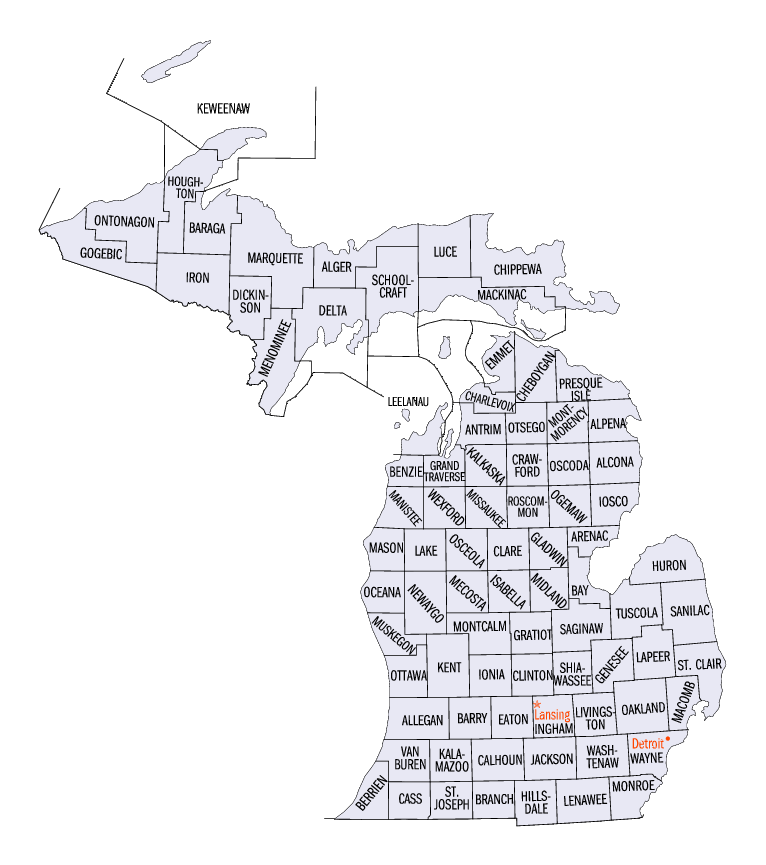
Wayne County, Michigan, is not only home to the bustling city of Detroit but also serves as a vital economic hub in the state. With its mix of urban and suburban areas, the county has a diverse landscape and a vibrant community that benefits from various industries. Understanding the Michigan sales tax Wayne County is crucial if you operate a business here. Currently, sales tax rates in Wayne County fall within the range of Infinity% to -Infinity%. This range is determined by a combination of state, county, and local tax rates. In this guide, we’ll break down how these rates are calculated and the factors that influence them, ensuring you have all the information you need to stay compliant and make informed decisions for your business.


State Sales Tax Rate
NaN%
County Sales Tax Rate
Infinity% - -Infinity%
City Sales Tax Rate
Infinity% - -Infinity%
Special Sales Tax Rate
Infinity% - -Infinity%
Combined Sales Tax Rate
Infinity% - -Infinity%
Looking for a specific city?
Get your first Sales Tax filing free!
FlyFin CPAs offer precise sales tax filing with full audit insurance & a 100% money-back guarantee.


Trusted by 250k+ freelancers


What's in this article?
- Understanding Sales and Use Tax?
- How Do Sales and Use Tax Requirements Differ in Wayne County, Michigan?
- What Items Are Taxed and Exempt in Wayne County, Michigan?
- Exemptions on Services from Sales Tax in Wayne County, Michigan
- Sales Tax Nexus: What It Means for You
- Wayne County, Michigan Sales Tax Nexus Rates Explained
- When Are Sales Tax Returns Due in Wayne County, Michigan?
- Missed a Sales Tax Filing Deadline? Here’s What to Do in Wayne County, Michigan
- Guide to Preparing Your Sales Tax Return
- Acquiring a Sales Tax Permit in Wayne County, Michigan
Understanding Sales and Use Tax?
What items are taxed and exempt in Wayne County, Michigan? Understanding the specifics of what is subject to Michigan sales tax Wayne County is crucial for both consumers and businesses. Generally, most tangible goods sold in the county are taxable. This includes items like electronics, clothing, furniture, and even certain personal care items. For example, if you purchase a new smartphone or a fashionable jacket, you can expect to pay sales tax on those items. However, not everything is taxable. Some items are exempt from sales tax in Wayne County. This includes certain groceries and prescription medications. For instance, basic food products like bread, milk, and fruits are exempt, as well as medications prescribed by a doctor, such as antibiotics or allergy medications. Understanding these exemptions can help consumers save money when making purchases. Additionally, some services may also be exempt from sales tax. It's essential to be aware of the nuances between taxable goods and exempt items to ensure compliance and proper tax collection. Next, we'll explore if there are any specific services that are exempt from sales tax in Wayne County, Michigan.
How Do Sales and Use Tax Requirements Differ in Wayne County, Michigan?
How do sales and use tax requirements differ in Wayne County, Michigan? While both taxes are important for businesses and consumers, they have distinct applications and regulations. The sales tax is generally charged at the point of sale. In Wayne County, the total sales tax rate typically includes a state component of NaN along with any additional local taxes that may apply. This means that it is essential for retailers to ensure they are collecting the correct amount from their customers to comply with both state and local laws.
On the other hand, use tax is relevant for items that are purchased outside of Michigan and brought into Wayne County. This tax is usually paid by the consumer and is often overlooked, especially when shopping online. Understanding this distinction helps businesses ensure they are compliant with tax obligations.
Take a moment to check out the table below.
Sales Tax Rate in Cities of Wayne County, Michigan
You can also get a clearer picture of the sales tax Wayne County applies compared to other cities in the state through the information in the table. Keep in mind that for quicker calculations and to avoid any confusion, you may want to use our Sales Tax Calculator at the top of the page instead of navigating through the table. This tool allows you to input your specific purchase information to determine the exact tax owed, making the process even smoother.
Next, we'll discuss what's taxed and what isn't.
Sales Tax Rate in Cities of Wayne County, Michigan


Quick Tip :
Quick Tip: Don’t forget to track both sales and use tax for your purchases. Leveraging tools like FlyFin can simplify tracking your tax obligations and ensure you remain compliant with Wayne County requirements.
What Items Are Taxed and Exempt in Wayne County, Michigan?
What items are taxed and exempt in Wayne County, Michigan? Understanding the specifics of what is subject to Michigan sales tax Wayne County is crucial for both consumers and businesses. Generally, most tangible goods sold in the county are taxable. This includes items like electronics, clothing, furniture, and even certain personal care items. For example, if you purchase a new smartphone or a fashionable jacket, you can expect to pay sales tax on those items. However, not everything is taxable. Some items are exempt from sales tax in Wayne County. This includes certain groceries and prescription medications. For instance, basic food products like bread, milk, and fruits are exempt, as well as medications prescribed by a doctor, such as antibiotics or allergy medications. Understanding these exemptions can help consumers save money when making purchases. Additionally, some services may also be exempt from sales tax. It's essential to be aware of the nuances between taxable goods and exempt items to ensure compliance and proper tax collection. Next, we'll explore if there are any specific services that are exempt from sales tax in Wayne County, Michigan.
Exemptions on Services from Sales Tax in Wayne County, Michigan
Exemptions on services from sales tax in Wayne County, Michigan, can sometimes be a bit confusing, but understanding them is key for both consumers and businesses. While many services do fall under the scope of sales tax in Wayne County, certain types are exempt, which can help save money for both individuals and businesses. One of the primary categories of exempt services includes professional services. For example, services provided by doctors, dentists, and lawyers are generally not subject to sales tax. So, if you're paying for a medical consultation or legal advice, you won't be charged sales tax on those fees. Additionally, certain educational services, such as tuition payments made to schools, colleges, and universities, are also exempt from sales tax. For instance, if you enroll in a local community college or attend a workshop, the fees you pay for your education would typically be sales tax exempt. Maintenance and repair services for specific items can also qualify for exemptions. For example, if you take your car to a mechanic for repairs, those services may not incur sales tax, unlike buying new parts or equipment. It's crucial to stay informed about these exemptions to ensure compliance with tax laws and to understand which services may save you money when you receive them. Being aware of what qualifies as non-taxable can help businesses avoid overcharging customers and help consumers know their rights when it comes to service charges. Next, we'll delve into what sales tax nexus is and how it can impact you.
Sales Tax Nexus: What It Means for You
Sales tax nexus is an important concept for both consumers and businesses in Wayne County, Michigan, and it fundamentally affects how sales tax is applied. In simple terms, "nexus" refers to the connection or link that a business has with a particular state or jurisdiction that obligates it to collect and remit sales tax. This means that if your business has nexus in Wayne County, you are required to charge customers sales tax on taxable transactions. Understanding sales tax nexus is crucial because it can impact many aspects of your business operations, from pricing to compliance. For example, if you sell products online and ship to customers in Wayne County, you may have nexus and therefore need to collect Wayne County sales tax on those transactions. There are different types of sales tax nexus that can affect how and when you need to collect sales tax. This can include factors like physical presence, economic presence, and more. In the following sections, we will break down these types of sales tax nexus, helping you understand what they mean for your business and ensuring you remain compliant with tax laws in Wayne County.
What is Physical Nexus?


Physical nexus refers to a tangible presence a business has in a state, obligating it to collect sales tax. This can include having an office, warehouse, or even employees in that state. For example, if a retail store operates a location in Wayne County, it must collect Wayne County sales tax on sales made at that store due to its physical presence there.
What is Economic Nexus?

Economic nexus applies when a business exceeds certain sales thresholds in a state, making it liable to collect sales tax, regardless of physical presence. For example, if an online retailer sells $100,000 worth of goods to customers in Wayne County within a year, it establishes economic nexus and must charge Wayne County sales tax on those transactions.
What is Affiliate Nexus?

Affiliate nexus occurs when a business has ties to a state through partnerships or affiliates that help promote its products. For instance, if an online retailer pays a local influencer in Wayne County to advertise its goods, that connection may create affiliate nexus. As a result, the retailer may be required to collect Wayne County sales tax on online sales made through those promotions.
What is Click-Through Nexus?

Click-through nexus arises when a business establishes a connection with a state through online advertising affiliates. When a website in Wayne County links to an online retailer and generates sales through that link, the retailer may have click-through nexus. For example, if a local blog promotes a store's products and drives sales, the store may need to collect Wayne County sales tax.
Quick Tip :
Quick Tip: Regularly review your business activities to identify any sales tax nexus in Wayne County. Using tools like FlyFin can streamline compliance and help manage your tax obligations effectively.
Wayne County, Michigan Sales Tax Nexus Rates Explained
Wayne County, Michigan sales tax nexus rates are essential for businesses to understand, as they determine when a company is required to collect sales tax in Wayne County. Nexus often depends on certain thresholds related to sales volume or transaction count. If a business crosses these thresholds, it is obliged to charge and remit sales tax in Wayne County Michigan on its sales.
For example, if an online retailer realizes it has made over $100,000 in sales to customers in Wayne County within a year, it establishes nexus and must start collecting sales tax. Understanding these rates can help businesses plan their operations and pricing strategies accordingly.
To get a clearer view of the specific thresholds that might trigger sales tax nexus in Wayne County, check out the table below.
Michigan Economic Nexus Threshold
Sales Threshold
- $100,000 or 200 transactions
- Evaluated over the previous calendar year
- Effective from September 30, 2018
Included Transactions
- Sales of tangible personal property delivered into the state
- Services (taxable and exempt) rendered in the state
- Exempt sales
- Sales made through a registered marketplace facilitator
Excluded Transactions
- None
You can also get more insights into your sales tax obligations and threshold limits by consulting with tax professionals or using the Sales Tax Calculator available at the top of the page.
Michigan Economic Nexus Threshold
Sales Threshold
- $100,000 or 200 transactions
- Evaluated over the previous calendar year
- Effective from September 30, 2018
Included Transactions
- Sales of tangible personal property delivered into the state
- Services (taxable and exempt) rendered in the state
- Exempt sales
- Sales made through a registered marketplace facilitator
Excluded Transactions
- None
When Are Sales Tax Returns Due in Wayne County, Michigan?
When are sales tax returns due in Wayne County, Michigan? It’s crucial for businesses to be aware of the filing deadlines to avoid penalties and ensure compliance with local tax laws. Generally, sales tax returns in Wayne County are due on a monthly, quarterly, or annual basis, depending on the volume of sales and specific guidelines provided by the Michigan Department of Treasury. Businesses that collect a higher volume of sales tax may be required to file monthly, while those with lower volumes may file quarterly or annually. Typically, returns are due on the 20th day of the month following the reporting period. For instance, if you collected sales tax during the month of January, you would need to file your return by February 20th. Maintaining a calendar of filing dates and keeping accurate records will help ensure that your business meets its sales tax obligations. Being on top of your Wayne County sales tax returns is essential not only for compliance but also for maintaining a good standing with state and local tax authorities. Next, we’ll discuss what to do if you miss a filing deadline in Wayne County, Michigan.
Quick Tip :
Quick Tip: Set up reminders a week before your sales tax return is due to avoid missing deadlines. Tools like FlyFin can simplify tracking and reporting, helping you stay compliant effortlessly.
Get instant answers to all your
sales tax questions with A.I.
Ask anything about taxes...
4.9 out of 5
Top questions asked by freelancers today
Missed a Sales Tax Filing Deadline? Here’s What to Do in Wayne County, Michigan
Missed a sales tax filing deadline? Here’s what to do in Wayne County, Michigan. First, don’t panic! It’s important to address the situation as soon as possible to minimize penalties and interest. If you realize you've missed the deadline, the first step is to prepare and submit the overdue sales tax return promptly. Even if you cannot pay the full amount owed, submitting the return will demonstrate to tax authorities that you are taking responsibility. Next, be prepared to pay any late fees or penalties that may accrue. The Michigan Department of Treasury imposes penalties for late filings, which can increase over time. To mitigate this, it's best to pay as much as you can when you file the return to lower outstanding amounts. Stay informed about how long you'll be given to catch up since some taxpayers may qualify for a "first-time penalty abatement" for their missed deadlines. It could be worth checking with tax professionals or the Michigan Department of Treasury to see if you qualify. Lastly, ensure to adjust your future filing practices to avoid missing deadlines again. Staying organized and keeping a schedule can help keep your sales tax in Wayne County Michigan on track. Next, we’ll discuss how to prepare your sales tax return.
Guide to Preparing Your Sales Tax Return
Guide to Preparing Your Sales Tax Return begins with the crucial step of accurately identifying taxable sales transactions. This involves reviewing all sales made during the reporting period and determining which of those are subject to sales tax. For instance, retail sales of physical goods are generally taxable, while many services might not be. It’s essential to keep detailed records of your transactions, as this will not only simplify the preparation of your return but also provide necessary documentation if questions arise later. Next, you’ll want to identify areas of sale. This includes understanding where your sales occurred to ensure you are collecting the correct sales tax rate. In Wayne County, rates may differ from other regions within Michigan, based on local sales tax laws. If you sell both online and in-person, it’s vital to track where each sale takes place to apply the correct tax. Utilizing tools like a Wayne County sales tax calculator can help you accurately determine the tax owed for each transaction based on its location. With a clear grasp on these aspects, you’ll be well-equipped to prepare your sales tax return effectively. Next, we'll dive deeper into identifying additional types of taxable sales and credits you might be eligible for.
Identifying Taxable Sales Transactions
Locating Areas of Sale for Tax Purposes
Get the right tax CPA for your sales tax today!
FlyFin CPAs offer precise sales tax filing at a 5x cheaper price.FlyFin also provides full audit insurance with a 100% money back guarantee.


Preparing your sales tax return can be a complex process, involving accurate identification of taxable transactions and areas of sale. To ensure maximum accuracy and compliance with local tax laws, consider utilizing FlyFin's services. The Sales Tax CPAs at FlyFin, combined with the assistance of their advanced AI, provide expertise that can greatly simplify your sales tax filing. By leveraging FlyFin, you can confidently manage your sales tax in Wayne County and ensure that your returns are filed accurately every time. Don’t forget to take advantage of FlyFin's user-friendly sales tax calculator, which can help streamline your preparation process. Access the Sales Tax Calculator to get started on your sales tax journey today!
Acquiring a Sales Tax Permit in Wayne County, Michigan
Acquiring a sales tax permit in Wayne County, Michigan, is an essential step for businesses planning to sell goods or services that are subject to sales tax. Before you begin collecting sales tax from customers, you must obtain the necessary permit from the Michigan Department of Treasury. The process typically involves completing an application through the Michigan Treasury Online (MTO) portal or submitting a paper application. As part of the application, you will need to provide some basic information about your business, including its name, address, and type of ownership (e.g., LLC, corporation). Once you submit your application, it will be reviewed, and upon approval, you'll receive your sales tax permit. This permit allows you to collect sales tax on taxable transactions, such as retail sales of tangible goods in Wayne County. It’s important to keep your sales tax permit active by filing your returns on time and remitting the collected taxes. Failure to do so can lead to penalties and the potential revocation of your permit. Ensuring you have the proper sales tax Wayne County permit is a key step in allowing your business to operate smoothly and legally in the local market. Next, we'll wrap up with a conclusion.
Conclusion
A solid understanding of sales tax in Wayne County is vital for any business operating in the area. You began by learning about the importance of identifying taxable transactions and areas of sale, which are crucial for accurately preparing your sales tax return. Recognizing what items and services are taxable or exempt helps ensure compliance with local tax laws. Additionally, you explored the importance of acquiring a sales tax permit before collecting any taxes from customers. This step sets the foundation for responsible business practices. Understanding the different types of nexus, including physical and economic nexus, is equally vital since these can affect your sales tax obligations. Having accurate and timely filing practices can prevent penalties and keep your business in good standing. Utilizing tools like FlyFin's services and calculator can greatly streamline the process, making it more manageable and efficient. By staying informed about your responsibilities regarding sales tax and utilizing available resources, such as tax calculators and consulting services, you can successfully navigate the requirements of sales tax in Wayne County. This proactive approach not only ensures compliance but also supports your business's growth and trust with your customers.
Automate sales tax calculation, reporting, and filing with FlyFin


Frequently Asked Questions
What is sales tax in Wayne County, Michigan?
How much is the sales tax rate in Wayne County, MI?
Does Wayne County of Michigan have sales tax?
What items are exempt from sales tax in Wayne County, MI?
What is the sales tax on cars in Wayne County of Michigan?
How to verify a sales tax permit of Wayne County, MI?
When is Wayne County MI sales tax due?
Sales Tax in other states
Our sales tax guides provide an overview of sales tax rates, nexus thresholds, taxable and nontaxable items, along with other valuable tax knowledge for every U.S. state.
Alabama
Alaska
Arizona
Arkansas
California
Colorado
Connecticut
Delaware
District Of Columbia
Florida
Georgia
Hawaii
Idaho
Illinois
Indiana
Iowa
Kansas
Kentucky
Louisiana
Maine
Maryland
Massachusetts
Michigan
Minnesota
Mississippi
Missouri
Montana
Nebraska
Nevada
New Hampshire
New Jersey
New Mexico
New York
North Carolina
North Dakota
Ohio
Oklahoma
Oregon
Pennsylvania
Rhode Island
South Carolina
South Dakota
Tennessee
Texas
Utah
Vermont
Virginia
Washington
West Virginia
Wisconsin
Wyoming
Alabama
Alaska
Arizona
Arkansas
California
Colorado
Connecticut
Delaware
District Of Columbia
Florida
Georgia
Hawaii
Idaho
Illinois
Indiana
Iowa
Kansas
Kentucky
Louisiana
Maine
Maryland
Massachusetts
Michigan
Minnesota
Mississippi
Missouri
Montana
Nebraska
Nevada
New Hampshire
New Jersey
New Mexico
New York
North Carolina
North Dakota
Ohio
Oklahoma
Oregon
Pennsylvania
Rhode Island
South Carolina
South Dakota
Tennessee
Texas
Utah
Vermont
Virginia
Washington
West Virginia
Wisconsin
Wyoming
Sales Tax in other counties of Michigan
Our sales tax guides provide an overview of sales tax rates, nexus thresholds, taxable and nontaxable items, along with other valuable tax knowledge for every county in Michigan
What’s FlyFin?


Expert tax CPAs ensure 100%-accurate tax filing

A.I. finds every tax deduction, eliminating 95% of your work

On average users save $3,700