Sales Tax Calculator
Find your sale taxes in a minute
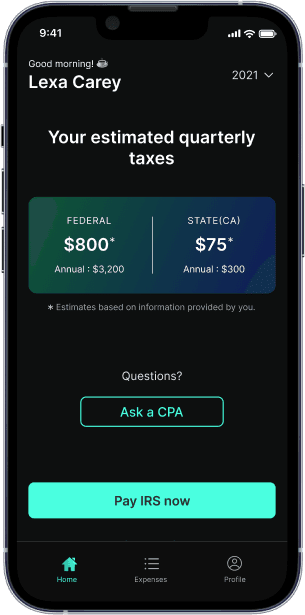
Calculate Your Sales Tax with FlyFin
Automate your tax calculations and
filing with FlyFin
What do you sell?


Sales Tax Guide of
Contra Costa
Sales Tax in Contra Costa County, California
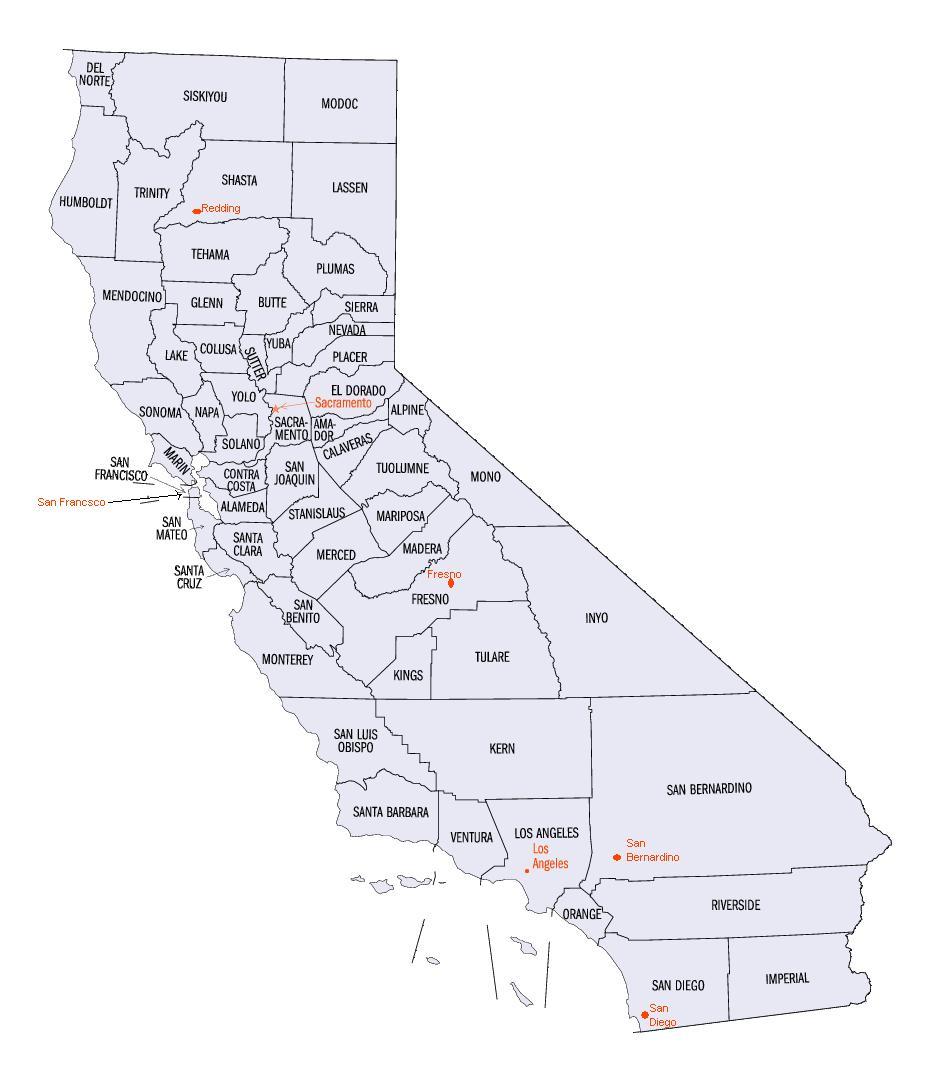
If you're running a business in Contra Costa County, California, understanding the local sales tax landscape is essential for your success. Known for its beautiful landscapes and vibrant communities, Contra Costa County is home to cities like Walnut Creek and Richmond, drawing visitors and residents alike. When it comes to shopping and local commerce, the Contra Costa County sales tax plays a significant role. Currently, sales tax rates in this area range from Infinity% to -Infinity%. In this guide, we'll delve into how these rates are determined, offering valuable insights to help you navigate the specifics of sales tax compliance and planning for your business.


State Sales Tax Rate
NaN%
County Sales Tax Rate
Infinity% - -Infinity%
City Sales Tax Rate
Infinity% - -Infinity%
Special Sales Tax Rate
Infinity% - -Infinity%
Combined Sales Tax Rate
Infinity% - -Infinity%
Looking for a specific city?
Get your first Sales Tax filing free!
FlyFin CPAs offer precise sales tax filing with full audit insurance & a 100% money-back guarantee.


Trusted by 250k+ freelancers


What's in this article?
- Understanding Sales and Use Tax Essentials?
- How Do Sales and Use Tax Regulations Differ in Contra Costa County, California?
- Determining Taxable and Non-Taxable Items in Contra Costa County, California
- Exemptions on Services from Sales Tax in Contra Costa County, California
- Sales Tax Nexus: What It Means and Its Implications
- Contra Costa County, California Sales Tax Nexus Rates and Guidelines
- Deadlines for Filing Sales Tax Returns in Contra Costa County, California
- Steps to Take If You Miss a Filing Deadline in Contra Costa County, California
- Preparing Your Sales Tax Return
- How to Obtain a Sales Tax Permit in Contra Costa County, California
Understanding Sales and Use Tax Essentials?
Determining which items are taxable and non-taxable in Contra Costa County is an important step for any business owner or consumer. Generally, tangible goods, such as clothing, furniture, and electronics, are subject to sales tax. However, some items are exempt, meaning that customers do not need to pay tax on their purchase. In California, specific categories are recognized for exemptions. For instance, certain groceries like bread, milk, and vegetables are non-taxable, as are prescription medications such as insulin and heart medications. If you’re unsure about the tax status of a specific item, the Contra Costa County sales tax calculator can be a valuable tool to help determine if sales tax applies. It's also essential to note that while most services are exempt from sales tax, certain services related to tangible items—like repair and installation services—may be taxable. As you navigate these rules, pinpointing which items are subject to tax and which are not can help you manage your business finances effectively.
How Do Sales and Use Tax Regulations Differ in Contra Costa County, California?
Understanding how sales and use tax regulations differ among the cities in Contra Costa County is crucial for anyone looking to run a successful business here. While the state of California sets a base sales tax rate of NaN, cities can impose their own additional taxes that may apply locally, which can change the total tax rate that customers pay when making purchases.
In Contra Costa County, the sales tax comprises both state and local rates, leading to variations depending on where a transaction occurs within each city. For example, if a customer buys an item in a specific city, that city may impose its own additional local taxes, contributing to the overall sales tax burden.
To get a clearer picture of how these rates differ across various cities in Contra Costa County, check out the table below.
Sales Tax Rate in Cities of Contra Costa County, California
You can also get instant insights and calculations by using our Sales Tax Calculator at the top of the page. This tool allows you to quickly determine what the total tax will be for any purchase, saving you the trouble of having to cross-reference multiple rates or tables. With these resources, understanding your tax obligations becomes a lot easier, helping you keep your business compliant and on track.
Sales Tax Rate in Cities of Contra Costa County, California


Quick Tip :
Quick Tip: To simplify your sales tax calculations and stay compliant, consider using platforms like FlyFin, which can automatically track and categorize your tax obligations for greater accuracy and ease.
Determining Taxable and Non-Taxable Items in Contra Costa County, California
Determining which items are taxable and non-taxable in Contra Costa County is an important step for any business owner or consumer. Generally, tangible goods, such as clothing, furniture, and electronics, are subject to sales tax. However, some items are exempt, meaning that customers do not need to pay tax on their purchase. In California, specific categories are recognized for exemptions. For instance, certain groceries like bread, milk, and vegetables are non-taxable, as are prescription medications such as insulin and heart medications. If you’re unsure about the tax status of a specific item, the Contra Costa County sales tax calculator can be a valuable tool to help determine if sales tax applies. It's also essential to note that while most services are exempt from sales tax, certain services related to tangible items—like repair and installation services—may be taxable. As you navigate these rules, pinpointing which items are subject to tax and which are not can help you manage your business finances effectively.
Exemptions on Services from Sales Tax in Contra Costa County, California
Exemptions on services from sales tax can greatly impact businesses and consumers in Contra Costa County, California. While many goods are subject to sales tax, services generally enjoy a different treatment. Most services are exempt from sales tax, meaning customers do not have to pay tax when receiving these services. Common exemptions include: 1. Professional Services: These might include legal advice, accounting services, and consulting, which are not taxed. For example, if you hire an attorney for legal representation, you won’t pay sales tax on their fees. 2. Maintenance Services: Services such as lawn care, janitorial, or pest control typically do not incur sales tax. If you employ a company to maintain your garden or clean your office space, these charges are generally exempt. 3. Repair Services: Certain repair services related to tangible personal property can be tricky, as they may be taxable. Yet, repairs on real property, like plumbing or electrical work in a home, usually qualify for exemptions. It’s important to note that while many services are exempt, some categories and specific cases can lead to taxable charges. For instance, if a repair service includes the sale of parts, those parts will be subject to the Contra Costa County sales tax rate, while the service itself might not be. Always check the specific details of the services rendered to understand your obligations better.
Sales Tax Nexus: What It Means and Its Implications
Sales tax nexus plays a vital role in determining a business's obligation to collect sales tax in Contra Costa County, California, and beyond. Essentially, nexus establishes a connection between a seller and a jurisdiction, which can affect tax responsibilities. If a business has sales tax nexus in a particular state or locality, it is required to collect sales tax on sales made to customers in that area. There are several factors that can create sales tax nexus, ranging from having a physical presence in the state to other business activities. Understanding these factors is crucial for businesses operating in multiple jurisdictions, as it can significantly impact compliance and overall tax liability. For instance, if your business operates in Contra Costa County CA sales tax territory, awareness of how nexus works will help you avoid penalties and ensure proper tax collection. In the following sections, we will delve deeper into the various types of sales tax nexus, offering insights into what you need to know as a business owner in California. Understanding these types will guide your strategy and ensure that your business stays compliant with relevant tax laws.
What is Physical Nexus?


Physical nexus refers to a tangible presence a business has in a state or locality, which triggers a sales tax obligation. This presence can be established through a physical location, such as a storefront, warehouse, or office. For example, if a company has a retail store in Contra Costa County, it must collect sales tax on sales made to customers in that area.
What is Economic Nexus?

Economic nexus occurs when a business meets certain sales thresholds in a state, regardless of physical presence. This means companies can be required to collect sales tax based on sales volume or transaction numbers. For instance, if an online retailer sells over $500,000 worth of goods to customers in Contra Costa County, they must collect applicable sales tax, even without a physical store.
What is Affiliate Nexus?

Affiliate nexus refers to a connection established when a business has affiliates or partners promoting its products in a state. If these affiliates earn commissions and are based in that state, the business may be required to collect sales tax. For example, if a blog based in Contra Costa County promotes an online store and drives sales, that store might need to collect sales tax from local customers.
What is Click-Through Nexus?

Click-through nexus is established when a business has agreements with online affiliates who direct customers to its site through special links. If these affiliates are located in a state, the business may be required to collect sales tax from sales made to customers there. For example, if a Contra Costa County website links to an online retailer, that retailer may face sales tax obligations.
Quick Tip :
Quick Tip: To simplify your understanding of sales tax nexus and ensure compliance, consider using tools like FlyFin, which can help track your obligations across different jurisdictions easily.
Contra Costa County, California Sales Tax Nexus Rates and Guidelines
Contra Costa County, California has specific guidelines regarding sales tax nexus rates that businesses should be aware of. These guidelines help determine when a company must start collecting sales tax in Contra Costa County. Generally, if a business exceeds certain sales thresholds or activities within the county, they establish a nexus and are required to collect sales tax on applicable transactions.
For businesses engaging in e-commerce or utilizing affiliates, understanding these thresholds is crucial to comply with local regulations and avoid penalties. It’s essential to monitor sales in relation to those thresholds, as exceeding them can trigger tax obligations.
To better understand the nexus thresholds for sales tax in Contra Costa County, check out the table below.
California Economic Nexus Threshold
Sales Threshold
- $500,000 in sales only
- Evaluated over the current or previous calendar year
- Effective from April 1, 2019
Included Transactions
- Total combined sales of tangible personal property delivered into the state by the retailer and all persons related to the retailer
- Nontaxable sales (e.g., sales for resale)
- Sales made through a registered marketplace facilitator
Excluded Transactions
- Services (taxable and exempt)
You can also get instant insights into your sales tax obligations by consulting with a tax professional or using tools designed for managing sales tax compliance.
California Economic Nexus Threshold
Sales Threshold
- $500,000 in sales only
- Evaluated over the current or previous calendar year
- Effective from April 1, 2019
Included Transactions
- Total combined sales of tangible personal property delivered into the state by the retailer and all persons related to the retailer
- Nontaxable sales (e.g., sales for resale)
- Sales made through a registered marketplace facilitator
Excluded Transactions
- Services (taxable and exempt)
Deadlines for Filing Sales Tax Returns in Contra Costa County, California
Deadlines for filing sales tax returns in Contra Costa County, California, are essential for businesses to keep track of in order to remain compliant with state regulations. Typically, sales tax returns are due on a quarterly basis, though some businesses may qualify for monthly or annual filing depending on their sales volume. It's important to know your specific filing frequency to avoid any lapses. The filing deadlines generally fall on the last day of the month following the end of the reporting period. For example, if a business’s reporting period ends on March 31, the sales tax return will be due by April 30. Timely filing ensures that you avoid any penalties or interest fees that might accrue on unpaid sales tax liabilities, which are calculated based on the Contra Costa County sales tax rate. Regularly reviewing your accounting practices and keeping updated on filing dates can help streamline this process. For more detailed timelines and specific dates applicable to your business, it's beneficial to consult the California Department of Tax and Fee Administration (CDTFA).
Quick Tip :
Quick Tip: To stay on top of filing deadlines, consider using tools like FlyFin, which can help automate reminders and simplify your sales tax return process to avoid late fees.
Get instant answers to all your
sales tax questions with A.I.
Ask anything about taxes...
4.9 out of 5
Top questions asked by freelancers today
Steps to Take If You Miss a Filing Deadline in Contra Costa County, California
If you miss a filing deadline for sales tax returns in Contra Costa County, California, it’s essential to take immediate action to minimize penalties and maintain compliance. Here are some steps to consider: 1. File Your Return Immediately: As soon as you realize you've missed the deadline, prepare and file your sales tax return. Even if you can’t pay the full amount, submitting the return demonstrates your intent to remain compliant. 2. Pay Any Taxes Owed: If you owe taxes, pay them as soon as possible. This can help reduce the interest and penalties that may accrue on the unpaid amount. Failure to pay can lead to further complications. 3. Stay Informed About Penalties: Familiarize yourself with the penalties that may apply for late filings. Understanding these can help you assess the situation more clearly and prepare for potential costs. 4. Communicate with the CDTFA: If you believe the missed deadline was due to extenuating circumstances, consider contacting the California Department of Tax and Fee Administration (CDTFA). They may provide guidance or offer payment arrangements. 5. Review Your Practices: Reflect on what led to the missed deadline. Improving your bookkeeping, setting reminders, or using tax services may help avoid this situation in the future. By taking these steps after missing a deadline, you can help mitigate the impact on your business and ensure you're on track for the next sales tax in Contra Costa County filing.
Preparing Your Sales Tax Return
When preparing your sales tax return, it’s crucial to understand what counts as taxable sales transactions. A sale is typically taxable if it involves the transfer of tangible personal property or certain services. In Contra Costa County California sales tax, knowing what applies to your business is essential. Next, you'll want to pinpoint specific areas of sale, like local products or services, to ensure you're collecting the right amount of tax from your customers. This understanding is key as it helps streamline your sales tax compliance. Now, let’s dive deeper into identifying taxable sales transactions and the areas of sale.
Recognizing Taxable Sales Transactions
Determining Sales Locations
Get the right tax CPA for your sales tax today!
FlyFin CPAs offer precise sales tax filing at a 5x cheaper price.FlyFin also provides full audit insurance with a 100% money back guarantee.

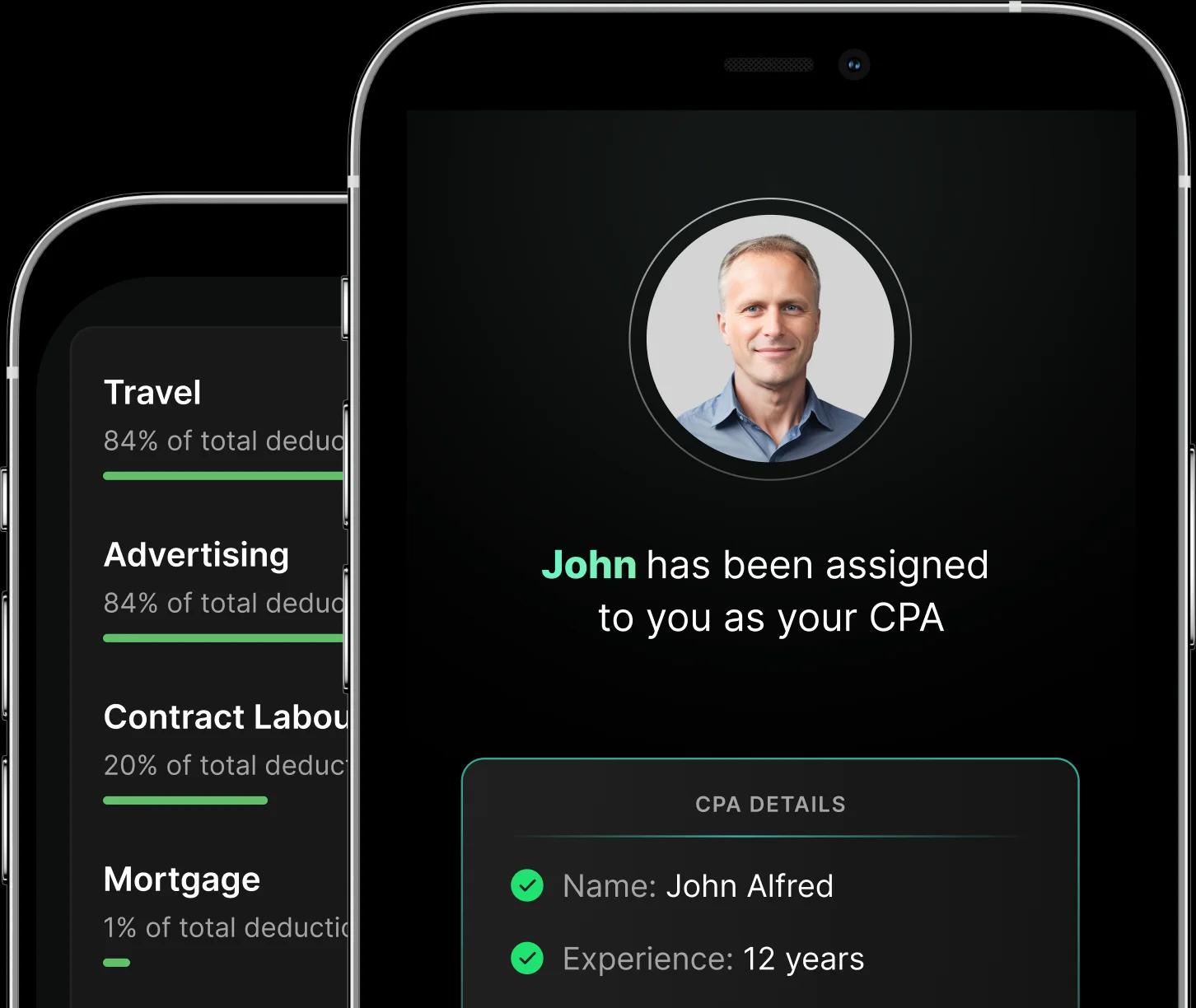
Preparing your sales tax return can be a complex process, requiring a thorough understanding of taxable transactions and sales locations. Accurately identifying these factors is crucial to ensure compliance and avoid penalties. However, you don’t have to navigate these challenges alone. At FlyFin, our Sales Tax CPAs, supported by advanced AI technology, are here to help you file your sales tax with maximum accuracy. By leveraging FlyFin's expertise, you can simplify your tax preparation process and have peace of mind knowing that your sales tax in Contra Costa County CA will be handled by professionals who understand the intricacies of local regulations. Don’t let the complexities of tax filings overwhelm you; let FlyFin streamline the process. To get started, take advantage of our Sales Tax Calculator and discover how easy tax preparation can be. Click here to scroll back to the top and access it now!
How to Obtain a Sales Tax Permit in Contra Costa County, California
To legally collect sales tax in Contra Costa County, California, you must first obtain a sales tax permit. This process is essential for any business selling goods or taxable services within the county. The steps to obtain your sales tax permit are straightforward: 1. Register Your Business: Start by registering your business with the California Secretary of State if you haven't already done so. This is a necessary step for all business entities, including sole proprietorships and partnerships. 2. Complete the Application: You can apply for your sales tax permit online through the California Department of Tax and Fee Administration (CDTFA) website. The application will require details about your business, including your business name, address, and type of business activities you engage in. 3. Provide Necessary Documentation: You may need to submit various documents, such as your Federal Employer Identification Number (EIN) or Social Security Number (for sole proprietors). Be prepared to offer information about your expected sales volume and any related business licenses. 4. Pay the Fees: There may be fees associated with obtaining your sales tax permit, so ensure you check the current fee schedule on the CDTFA's website. 5. Receive Your Permit: Once your application is processed, you will receive your sales tax permit. This permit allows you to legally collect Contra Costa County California sales tax on all taxable sales. Following these steps will ensure that you are set up to collect sales tax properly, keeping you compliant with local regulations.
Conclusion
Understanding sales tax in Contra Costa County is vital for businesses looking to ensure compliance while minimizing potential liabilities. Key steps include accurately identifying taxable and non-taxable transactions, which pivot around tangible goods and essential exemptions like certain groceries and prescription medications. Recognizing the importance of sales locations adds another layer to accurate tax reporting, as different locations may have varied tax implications. Obtaining a sales tax permit is crucial for legally collecting sales tax. The application process involves registering your business, completing the required documentation, and paying any applicable fees to receive your sales tax permit. Once in place, this permit allows you to navigate your tax obligations effectively. For those preparing their sales tax returns, insight into reporting schedules and other key deadlines is essential. Staying informed and organized can help avoid late fees and penalties, fostering a smoother experience. To simplify this entire process, leveraging services like FlyFin ensures maximum accuracy in filing your returns, alleviating the pressures of sales tax compliance. From understanding local tax regulations to preparing your sales tax return, focusing on these aspects ensures your business remains on solid ground in today’s competitive environment for Contra Costa County California sales tax.
Automate sales tax calculation, reporting, and filing with FlyFin


Frequently Asked Questions
What is sales tax in Contra Costa County, California?
How much is the sales tax rate in Contra Costa County, CA?
Does Contra Costa County of California have sales tax?
What items are exempt from sales tax in Contra Costa County, CA?
What is the sales tax on cars in Contra Costa County of California?
How to verify a sales tax permit of Contra Costa County, CA?
When is Contra Costa County CA sales tax due?
Sales Tax in other states
Our sales tax guides provide an overview of sales tax rates, nexus thresholds, taxable and nontaxable items, along with other valuable tax knowledge for every U.S. state.
Alabama
Alaska
Arizona
Arkansas
California
Colorado
Connecticut
Delaware
District Of Columbia
Florida
Georgia
Hawaii
Idaho
Illinois
Indiana
Iowa
Kansas
Kentucky
Louisiana
Maine
Maryland
Massachusetts
Michigan
Minnesota
Mississippi
Missouri
Montana
Nebraska
Nevada
New Hampshire
New Jersey
New Mexico
New York
North Carolina
North Dakota
Ohio
Oklahoma
Oregon
Pennsylvania
Rhode Island
South Carolina
South Dakota
Tennessee
Texas
Utah
Vermont
Virginia
Washington
West Virginia
Wisconsin
Wyoming
Alabama
Alaska
Arizona
Arkansas
California
Colorado
Connecticut
Delaware
District Of Columbia
Florida
Georgia
Hawaii
Idaho
Illinois
Indiana
Iowa
Kansas
Kentucky
Louisiana
Maine
Maryland
Massachusetts
Michigan
Minnesota
Mississippi
Missouri
Montana
Nebraska
Nevada
New Hampshire
New Jersey
New Mexico
New York
North Carolina
North Dakota
Ohio
Oklahoma
Oregon
Pennsylvania
Rhode Island
South Carolina
South Dakota
Tennessee
Texas
Utah
Vermont
Virginia
Washington
West Virginia
Wisconsin
Wyoming
Sales Tax in other counties of California
Our sales tax guides provide an overview of sales tax rates, nexus thresholds, taxable and nontaxable items, along with other valuable tax knowledge for every county in California
What’s FlyFin?


Expert tax CPAs ensure 100%-accurate tax filing

A.I. finds every tax deduction, eliminating 95% of your work

On average users save $3,700