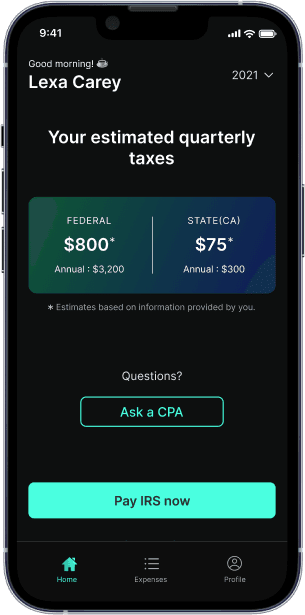
Quarterly tax deadline is Jan 15. See how much you owe penalties
1099 Tax Calculator

Are you self-employed?
This includes freelancers and business owners.
Section 179 Deduction Vehicle List 2024: How Business Use Affects Your Deduction
When it comes to running a business, every penny counts, and one of the most significant tax incentives available to self-employed individuals is the Section 179 deduction. This deduction allows businesses to write off the full purchase price of qualifying assets, including vehicles, in the year they are acquired, rather than depreciating them over several years. However, the eligibility and amount of the deduction are heavily influenced by how the vehicle is used. In this article, we will delve into the intricacies of calculating business use percentage, the impact of personal use, and the consequences of overstating business use for vehicle deductions.
Table of contents
Understanding Section 179
What is Section 179?
Section 179 is a tax deduction provision in the US tax code that allows businesses to deduct the full purchase price of qualifying equipment and property from their taxable income. This provision is designed to stimulate economic growth by encouraging businesses to invest in new equipment and property. Section 179 applies to tangible personal property, such as business vehicles, machinery, and equipment, as well as certain types of software and other intangible assets. By allowing businesses to deduct the full purchase price in the year the asset is acquired, Section 179 provides immediate tax savings and reduces taxable income, making it a powerful tool for business owners looking to invest in their operations.
How Section 179 Works with Bonus Depreciation
Eligible Business Vehicles
Criteria for Qualifying Vehicles
To qualify for the Section 179 tax deduction, business vehicles must meet certain criteria. The vehicle must be used for business purposes more than 50% of the time, and it must be a tangible asset, such as a passenger vehicle, sport utility vehicle, or truck. The vehicle’s gross vehicle weight rating (GVWR) is also an important factor in determining eligibility. Vehicles with a GVWR of 6,000 pounds or more are eligible for the Section 179 deduction, while vehicles with a GVWR of less than 6,000 pounds may be eligible for a partial deduction. Additionally, the vehicle must be purchased and placed into service during the applicable tax year, and it must be used for business purposes during that year. By meeting these criteria, businesses can take advantage of significant tax savings and reduce their overall tax liability.
Calculating Business Use Percentage for Business Vehicles
To qualify for the Section 179 deduction, your vehicle must be used for business purposes more than 50% of the time. This is known as the IRS percentage of business use test for tangible property. To determine this percentage, you need to keep accurate records of your vehicle’s usage. Here are some methods to help you calculate:
Mileage Logs
Other Methods
Impact of Personal Use on Section 179 Deductions
While passenger vehicles must be used for business purposes more than 50%, it’s common for vehicles to be used for both personal and business activities. The IRS allows you to claim a deduction based on the percentage of business use, but personal use can significantly reduce the eligibility and amount of the deduction.
Mixed-Use Vehicles
Example Scenario
Consequences of Overstating Business Use for Vehicle Deductions
Overstating the business use percentage can lead to significant consequences, including audits and potential penalties. The IRS closely monitors vehicle deductions to ensure they align with actual business use.
Audit Risks
Penalties and Interest
Adjusting Deductions for Part-Time Business Use or Mixed-Purpose Vehicles
If your business use is part-time or your vehicle is used for mixed purposes, you need to adjust your deductions accordingly. Here are some tips to help you navigate these scenarios:
Tracking Mileage
Expense Records
Time Logs
IRS Percentage of Business Use Test
The IRS percentage of business use test is a critical component in determining the eligibility and amount of your Section 179 deduction. Here’s how it works:
- Business Use Percentage:The vehicle must be used for business purposes more than 50%.
- Record Keeping:Accurate records of business and personal use are essential.
- Documentation:Keep detailed logs, expense records, and time logs to support your claims.
How Personal Use of Vehicles Reduces Section 179 Deduction Eligibility and Tax Incentives
Personal use of vehicles significantly reduces the eligibility and amount of the Section 179 deduction. Here’s how it affects your deduction:
- Mixed-Use Vehicles:If your vehicle is used for both business and personal purposes, you can only claim a deduction for the business-use portion.
- Percentage-Based Deduction:The deduction is based on the percentage of business use. For example, if your vehicle is used 60% for business, you can only claim 60% of the vehicle’s cost as a Section 179 deduction.
Conclusion
Calculating business use percentage and tracking mileage are crucial steps in maximizing your Section 179 vehicle deductions. Personal use can significantly reduce the eligibility and amount of the deduction, and overstating business use can lead to severe consequences. By maintaining accurate records and understanding the IRS percentage of business use test, you can ensure you're eligible for the deduction and avoid potential pitfalls. Remember, every penny counts in business, and understanding how business use affects your Section 179 vehicle deductions can make a significant difference in your tax strategy. To stay updated on theIRS mileage rate for 2023-2024, make sure to check the latest updates.
Additional Tips
- Consult a Tax Professional:Given the complexities involved in calculating business use and claiming deductions, it is advisable to consult a tax professional who can provide personalized advice tailored to your specific situation.
- Regular Record Keeping:Maintain regular records of business and personal use to ensure accuracy and compliance.
- Stay Informed:Keep up-to-date with the latest tax laws and regulations regarding vehicle deductions to avoid any potential issues.
By following these guidelines and maintaining accurate records, you can maximize your Section 179 vehicle deductions and ensure you're taking advantage of all the tax benefits available to your business. For more information on how to write off your vehicle for business, visitthis resource.
What’s FlyFin?


Expert tax CPAs ensure 100%-accurate tax filing

A.I. finds every tax deduction, eliminating 95% of your work

On average users save $3,700