Are you self-employed?
This includes freelancers and business owners
Sales Tax Guide of
Select State
Vermont State Income Tax Guide
Vermont is known for its picturesque landscapes, charming small towns, and vibrant culture. As a resident or business owner in this beautiful state, it's important to understand the Vermont state income tax system. The Vermont state income tax rate ranges from 0% to 8.75%, affecting how much you may owe each year. This guide will break down how Vermont state income tax rates are determined, including factors like income level and filing status. By understanding these aspects, you can better navigate your tax obligations and make informed financial decisions.
Single Filers


Vermont Taxable Income
Rate
$0 - $3,700
0.00%
$3,700 - $51,600
3.35%
$51,600 - $119,700
6.60%
$119,700 - $245,700
7.60%
$245,700+
8.75%
What's in this article?
- Understanding Vermont State Income Tax
- How Do Vermont Income Tax Rates and Brackets Work?
- Who Needs to Pay Vermont State Income Tax?
- How to Calculate Your Vermont State Income Tax
- Vermont State Tax Deductions
- Vermont State Tax Credits
- How to Get a Vermont State Tax Identification Number
- Deadlines and Extensions for Vermont State Income Tax
- How to Track Your Vermont State Income Tax Refund
Understanding Vermont State Income Tax
Understanding the Vermont state income tax is key to managing your funds effectively while living or doing business in the state. State income tax is a tax imposed by individual states on the income earned within those states. Unlike the federal income tax, which is governed by national laws and regulations, the Vermont state income tax is guided by rules specific to Vermont. This means that rates, deductions, and credits may vary, and it’s crucial to distinguish between the two when preparing your taxes. The main reason Vermont collects state income tax is to fund essential public services like education, infrastructure, and healthcare. These contributions help maintain the quality of life Vermont residents enjoy. Familiarity with the VT state income tax ensures you are contributing appropriately and helps you plan your finances throughout the year. In the next section, we will explore about Vermont Income Tax Rates and Brackets to understand how your earnings determine your state tax responsibilities.
How Do Vermont Income Tax Rates and Brackets Work?
Vermont employs a progressive tax system for income tax. This means that the Vermont state income tax rate increases as your income goes up. The actual rate you pay depends on variables like your income level and filing status, such as single, married filing jointly, or head of household. To get a better understanding of how these rates work, you may want to refer to the Vermont state income tax rates table. This table can provide a useful comparison to highlight how different tax structures function. To see a practical application of Vermont's tax structure, consider a freelancer with an income of $. This example will help illustrate how Vermont state tax rate is applied in conjunction with federal and self-employment taxes. Review the table below to understand how the overall tax liability is broken down, giving you a clearer picture of what to expect when calculating taxes at different income levels.
Estimated Tax Breakup
For $ Annual income
Monthly
Annual
Brackets
Rates
Income
$
Deductions
$
Federal income tax
$
Vermont state income tax
$
Self Employment tax
$
Total tax
$
Net pay
$
Who Needs to Pay Vermont State Income Tax?
In Vermont, both residents and non-residents may be subject to Vermont state income tax depending on their earnings from sources within the state. If you're a resident of Vermont, you are required to pay Vermont state tax on all your income, regardless of where it's earned. This means even income earned in other states will be subject to VT state income tax. This rule ensures that residents contribute fairly to the state's resources and public services, supporting the community and infrastructure they benefit from daily. Non-residents, on the other hand, must pay Vermont state income tax on income sourced within Vermont. This typically includes wages earned while working in Vermont or income from Vermont-based businesses. Even if you live elsewhere, any Vermont-sourced earnings could require you to file a Vermont state tax return, ensuring that those benefitting from the state’s economic environment contribute back to it. Part-year residents—those who lived in Vermont for only part of the year—are taxed on all income received during the period they resided in Vermont, as well as on any income earned from Vermont sources while living elsewhere. Understanding these distinctions helps you know when you're expected to file a Vermont state income tax return. Next, we'll discuss about how to calculate your Vermont state income tax to guide you through determining your tax obligations accurately.
Quick Tip :
Ensure you keep detailed records of all income sources and residency status throughout the year. This documentation will make it easier to determine your Vermont state income tax obligations when filing.
How to Calculate Your Vermont State Income Tax
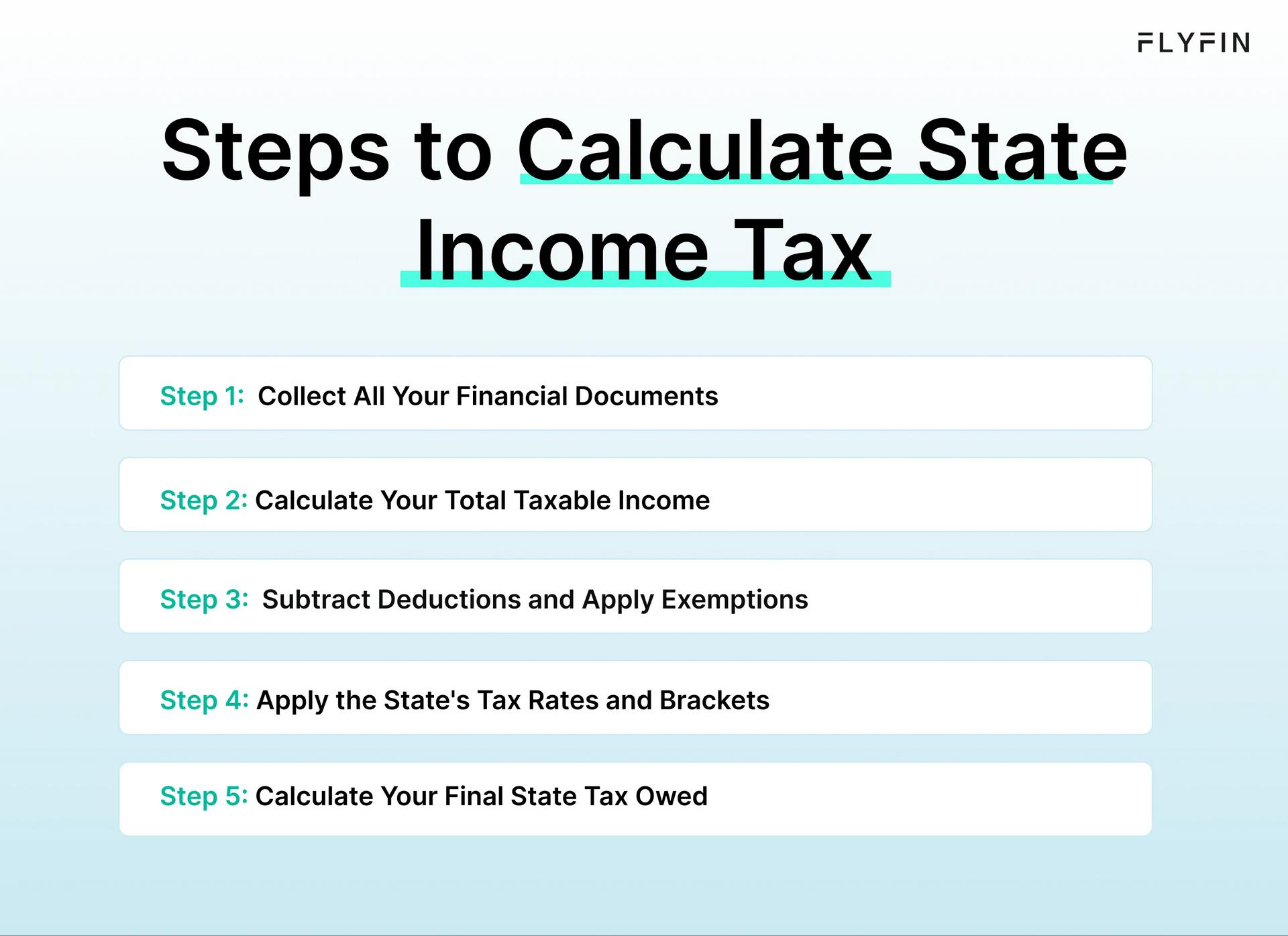
Calculating your Vermont State Income Tax is vital for understanding how much you'll owe when completing your Vermont tax filing. Whether you're a full-time W2 employee or a self-employed individual, this step ensures you comply with tax laws and avoid any surprises come tax season. Knowing the specific deductions and credits available can also help you reduce your Vermont State Tax return obligations. To see how you can calculate your Vermont state income tax, refer to the image below for a step-by-step guide.



Make tax calculations easier with our Vermont State Income Tax Calculator. Just input your numbers, and you'll get an instant estimate of your tax liability according to Vermont's state income tax rates.
Vermont State Tax Deductions
Deductions are specific amounts that you can subtract from your total income when calculating your VT state tax, thus reducing your taxable income and ultimately your tax liability. By being aware of the available deductions, like the Vermont standard deduction, you can lower the amount of income subjected to the Vermont state income tax. This is an essential consideration for both individuals and families seeking to manage their tax burdens effectively. Understanding these deductions is an important step in ensuring that you're not overpaying on your Vermont state taxes. Common deductions can include those for personal expenses, business costs for freelancers, or student loan interest, among others. By effectively utilizing available deductions, you can make a significant difference in how much Vermont state income tax you owe. Refer to the image below for a list of Vermont state tax deductions to help guide you in maximizing these benefits.


Quick Tip :
Use the FlyFin State Income Tax Calculator to easily assess your eligible deductions and optimize your Vermont state tax filing, ensuring you don't miss any savings.
Vermont State Tax Credits
Vermont state tax credits are valuable incentives that can directly reduce the amount of tax you owe, dollar-for-dollar. Unlike deductions, which lower your taxable income, Vermont tax credits subtract from your overall tax liability. These credits can significantly ease your tax burden and can be especially beneficial for families, individuals, and businesses aiming to optimize their tax returns. Knowing which Vermont tax credits you qualify for can lead to substantial savings. From assisting low-income families to encouraging eco-friendly practices, Vermont tax credit programs cater to a wide range of needs and initiatives. By taking advantage of these credits, you can potentially lower your Vermont state tax bill while supporting beneficial causes and investments. Refer to the following section for more information on different types of tax credits available in Vermont, including income tax credits, child tax credits, and other related credits.
Vermont Income Tax Credit
Vermont Child Tax Credit
Vermont Education Tax Credit
How to Get a Vermont State Tax Identification Number
A Vermont state tax ID is a unique identifier for businesses and individuals engaged in activities that require tax reporting and payment to the state. This ID is crucial for handling Vermont state income tax obligations and ensuring compliance with Vermont state tax requirements. It allows entities to legally conduct business, collect sales tax if applicable, and report and pay taxes due. To obtain a Vermont state tax ID, you can apply online through the Vermont Department of Taxes website. The application process typically involves providing details about your business or personal information, such as legal name, contact details, and type of business activity. Once submitted, it usually takes a few days to receive your Vermont state tax ID, allowing you to proceed with your tax affairs promptly.
Filing Vermont State Income Tax Return
Filing a Vermont state tax return is crucial for all income earners, whether you're a W-2 employee, self-employed, or a gig worker. It ensures compliance with Vermont tax filing requirements and helps determine if you've overpaid or underpaid your Vermont state income tax. Filing accurately can result in potential refunds or adjustments that benefit your financial situation. To complete the process smoothly, familiarize yourself with the necessary steps.
Determine Your Filing Status
Gather All Required Documents
Calculate Your Tax Liability
Complete the Tax Forms
File and Pay
Get a dedicated CPA to file your state income tax
Dedicated CPA files your taxes from start to finish. Federal and state return included.


As you prepare your state income tax return, accuracy and compliance with state regulations are essential. With different tax brackets, deductions, credits, and filing requirements, the process can feel overwhelming. That’s where FlyFin helps. By leveraging FlyFin's expert State Income Tax CPAs, combined with advanced AI technology, you can file your state income tax returns with maximum accuracy and efficiency. With FlyFin, you can focus on what matters most—running your business or managing your personal finances—while leaving the complex tax details to the professionals. To get started, use FlyFin’s state income tax calculator to simplify your calculations and ensure you're meeting all your state tax obligations.
Deadlines and Extensions for Vermont State Income Tax
Filing your Vermont state income tax on time is crucial to avoid penalties. Typically, the deadline for filing VT state income tax is April 15th. This date coincides with the federal tax filing deadline, providing a consistent timeline for taxpayers. It's important to mark this date on your calendar and prepare your documents and forms well in advance to ensure a smooth filing process. If you anticipate needing more time, Vermont offers an extension of up to six months. However, this extension only applies to the filing process—not the payment of your taxes. Any owed taxes are still due by the April 15th deadline to avoid interest and penalties. Filing for an extension can provide additional time to gather necessary documents without the worry of late filing penalties. If you miss the tax filing deadline for your Vermont state income tax return, you may be subject to penalties and interest on any unpaid taxes. It's essential to file as soon as possible to minimize these additional costs. In situations where you anticipate difficulty in meeting the deadline, proactive communication with the Vermont Department of Taxes is your best strategy.
Quick Tip :
Mark April 15th on your calendar as the deadline for VT state income tax filing. If you need extra time, file for an extension promptly, but remember that any tax payments are still due by this date.
How to Track Your Vermont State Income Tax Refund
Once you've submitted your Vermont State Tax return, tracking the status of your refund ensures you're informed about when to expect your money back. The Vermont Department of Taxes provides an online tool to check your Vermont state tax refund status, allowing you to track progress conveniently. This tool requires your Social Security number (or ITIN) and the exact amount of your anticipated refund. Understanding the typical processing timeline can help manage expectations. Generally, refunds for electronically filed returns are processed faster than paper returns. You can expect an update on your VT state tax refund status within a few weeks of electronic submission. Factors like accuracy of the return and the time of filing can influence the timeline. To track your refund, visit the Vermont Department of Taxes website and navigate to the refund status tool. Enter your details carefully, ensuring accuracy to receive the most current information. The online tool provides updates at different stages of processing, such as received, under review, and approved. If there are any discrepancies or delays, consider reaching out directly to the Vermont Department of Taxes for further assistance. It's crucial to have any necessary information on hand to expedite the resolution process.
Conclusion
Understanding the Vermont state income tax system is key for residents and businesses. By clarifying how the Vermont state income tax rate affects your financial obligations, along with the importance of identifying your filing status and gathering necessary documents, you can prepare effectively for tax season. Knowing about available deductions and credits can also significantly impact how much tax you owe, making it easier to manage your finances throughout the year. Staying aware of deadlines for filing and the process for tracking your Vermont state tax refund can help ensure a smooth experience. If issues arise, knowing the steps to take if you miss a filing deadline can further protect you from unnecessary penalties. Being informed equips you with the tools to make confident decisions regarding your VT state income tax responsibilities, ensuring compliance and maximizing your potential savings.
Automate state income tax calculation and filing with FlyFin


Frequently Asked Questions
Does Vermont have state income tax?
How much is Vermont state income tax?
What is Vermont income tax rate?
How to pay Vermont income tax?
Does Vermont tax retirement income?
Where is my Vermont income tax refund?
What is the minimum income to file taxes in Vermont?
Income Tax in other states
Alabama
Alaska
Arizona
Arkansas
California
Colorado
Connecticut
Delaware
District Of Columbia
Florida
Georgia
Hawaii
Idaho
Illinois
Indiana
Iowa
Kansas
Kentucky
Louisiana
Maine
Maryland
Massachusetts
Michigan
Minnesota
Mississippi
Missouri
Montana
Nebraska
Nevada
New Hampshire
New Jersey
New Mexico
New York
North Carolina
North Dakota
Ohio
Oklahoma
Oregon
Pennsylvania
Rhode Island
South Carolina
South Dakota
Tennessee
Texas
Utah
Vermont
Virginia
Washington
West Virginia
Wisconsin
Wyoming
Alabama
Alaska
Arizona
Arkansas
California
Colorado
Connecticut
Delaware
District Of Columbia
Florida
Georgia
Hawaii
Idaho
Illinois
Indiana
Iowa
Kansas
Kentucky
Louisiana
Maine
Maryland
Massachusetts
Michigan
Minnesota
Mississippi
Missouri
Montana
Nebraska
Nevada
New Hampshire
New Jersey
New Mexico
New York
North Carolina
North Dakota
Ohio
Oklahoma
Oregon
Pennsylvania
Rhode Island
South Carolina
South Dakota
Tennessee
Texas
Utah
Vermont
Virginia
Washington
West Virginia
Wisconsin
Wyoming
What’s FlyFin?


Expert tax CPAs ensure 100%-accurate tax filing

A.I. finds every tax deduction, eliminating 95% of your work

On average users save $3,700