1099 Tax Calculator

Are you self-employed?
This includes freelancers and business owners.
New York Self Employment Tax Calculator: A Guide for NYC Freelancers
You must take into account city-specific taxes in addition to federal, state, and federal income taxes if you work as a freelancer or self-employed person in New York City. Knowing what additional city taxes you may be liable for is the first step.
Table of contents
Understanding Self-Employment Tax
Self-employment tax is a crucial aspect of your financial responsibilities if you’re self-employed, whether you’re running a business, freelancing, or working a side gig. Unlike traditional employees, self-employed individuals must cover both the employee and employer portions of payroll taxes. This includes Social Security and Medicare taxes, which together make up the self-employment tax rate of 15.3%. Specifically, 12.4% goes towards Social Security, and 2.9% is allocated for Medicare. It’s important to note that self-employment tax is distinct from income tax and operates on a pay-as-you-go basis, meaning you need to make payments throughout the year.
Who Has to Pay Self-Employment Tax?
If you earned $400 or more in net earnings from self-employment, you are required to pay self-employment tax. This applies to income from various sources, including businesses, freelance work, and side gigs. The self-employment tax rules are applicable regardless of your age or your status with Social Security or Medicare. However, income from church employment is excluded from this tax. If you’re uncertain about your obligation to pay self-employment tax, it’s wise to consult a tax professional or use a self-employment tax calculator to accurately determine your tax liability.
NYC Self-Employed Residents' Unincorporated Business Tax (UBT)
Self-employed people who generate revenue from their business operations are subject to the Unincorporated Business Tax (UBT) in New York City. This tax is determined by your business income and is distinct from state and federal taxes. 3.648% of your net self-employment income, which includes money from consulting, freelancing, and other self-employment endeavors, is the UBT rate.
The Impact of Self-Employment Income on State and Local Tax Rates
Both federal and state taxes, as well as the UBT in the case of New York City, are levied on self-employment income. Self employment tax applies to net earnings and adjusted gross income, impacting high earners significantly. This is an explanation of how these taxes might mount up:
Federal Self-Employment Tax
State Self-Employment Tax
City Self-Employment Tax
Tax Planning and Preparation
Effective tax planning and preparation are essential for self-employed individuals. Start by keeping meticulous records of your business expenses, income, and potential deductions. Utilizing a self-employment tax calculator can help you estimate your tax liability and plan for quarterly tax payments. Understanding the tax deductions available to you, such as the home office deduction, business expense deductions, and the earned income tax credit, can significantly reduce your tax liability. By staying organized and proactive, you can minimize your tax burden and avoid penalties.
Resources to Determine Quarterly Estimated Taxes in New York City for Freelancers
To prevent fines and interest, it is essential to calculate and payquarterly estimated taxes. You can use the following tools:
- IRS Form 1040-ES:For the purpose of computing and paying estimated taxes, the IRS offers Form 1040-ES. For self-employed people who anticipate owing $1,000 or more in taxes on their annual return, this form is crucial.
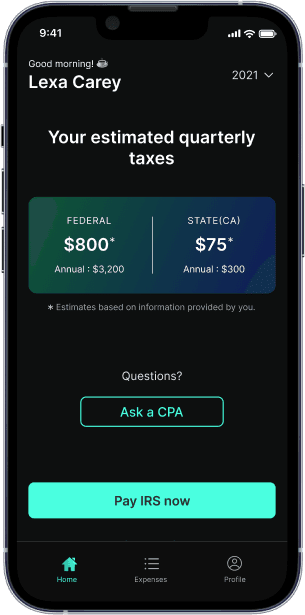
- Self-Employment Calculator:Based on your income and spending, FlyFin provides a self-employment tax calculator to help you determine your tax liability. Independent contractors and freelancers will find this tool especially helpful.
You can use thisself-employment tax calculatorto get a more precise estimate of your tax liability.
Compute the Federal, State, and City Self-Employment Tax Together
You must compute the total of your federal, state, and local taxes in order to determine your self-employment taxes. Here is a detailed guide:
- Determine Your Net Earnings:- To begin, figure out how much money you make working for yourself. This is the sum of your business expenses less your gross income.
- Apply Federal Self-Employment Tax:- Divide your net income by the federal self-employment tax rate of 15.3%. Keep in mind that in 2024, the Social Security part only applies to the first $168,600 of wages.
- Apply State Self-Employment Tax:- Divide your net income by the state income tax rate. Depending on your income level, this will be a proportion of your net profits in New York State.
- Apply City Self-Employment Tax:- Take your net self-employment income and apply the 3.648% UBT rate.
For more accurate calculations, consider using aquarterly tax calculator.
NYC-Specific Freelance Tax Deductions
You can drastically cut your taxable income and tax liabilities by taking deductions. Understanding which expenses qualify as tax write offs is crucial for self-employed individuals, as it directly impacts the amount they pay in taxes. Here are various deductions for freelancers that are unique to NYC:
- Home Office Deduction:- You can claim a business expenditure deduction for a portion of your rent, mortgage interest, and utilities if you utilize a certain area of your house only for work.
- Business-Related Vehicle Mileage:- You can write off the portion of your car’s expenses that are related to business use, such as gas, upkeep, and insurance.
- Qualified Business Income (QBI) Deduction:- Up to 20% of your qualified business income may be written off before income taxes are calculated.
- Half of Self-Employment Tax Deduction:- You are eligible to claim 50% of your self-employment tax as an adjustment to your income.
Don’t forget to considerbusiness insuranceas a potential deduction to further reduce your taxable income.
New York City Quarterly Estimated Tax Returns
It is essential to file quarterly estimated taxes in order to prevent penalties and interest. Here's how to accomplish it:
- Estimate Your Estimated Tax Liability:- Estimate your quarterly tax payments using one of the previously stated tools. Take into account your anticipated taxable income, adjusted gross income, taxes, credits, and deductions for the year.
- File Form 1040-ES:- To determine and pay your estimated taxes, fill out Form 1040-ES. April 15th, June 15th, September 15th, and January 15th of the subsequent year are the usual dates for the four quarterly payment deadlines.
- Pay Electronically:- The IRS's Electronic Federal Tax Payment System (EFTPS) allows you to electronically pay your estimated taxes.
Common Mistakes to Avoid
Navigating self-employment taxes can be tricky, and it’s easy to make mistakes that lead to penalties and fines. One common error is failing to pay self-employment tax on time, which can result in costly penalties and interest. Another frequent mistake is inaccurately reporting business expenses, which can trigger an audit and additional taxes owed. Additionally, not taking advantage of available tax deductions can unnecessarily increase your tax liability. By being aware of these common pitfalls and taking steps to avoid them, you can ensure compliance with tax laws and minimize your tax burden.
Final Thoughts
It can be difficult to estimate and pay self-employment taxes in New York City, but it is doable with the correct resources and information. You can estimate your quarterly tax payments accurately and stay out of trouble by using calculators like those from TaxAct and Hello Bonsai, as well as by being aware of the UBT and state and local tax rates. Remember to utilize deductions such as the QBI and home office deductions to lower your taxable income. Remain well-organized, maintain accurate documentation, and seek advice from a tax expert if necessary. You'll have no trouble navigating the NYC self-employment tax landscape if you follow these instructions.
For additional support, learnhow FlyFin can help with quarterly taxes.
Extra Advice
Maintain Accurate Records:Keep thorough records of your earnings and outlays all year long. You can compute your net income and make deductions more precisely if you do this.
Speak with a Tax Expert:Consider speaking with a tax expert who focuses on self-employment taxes if you have any questions about any step of the procedure.
Remain Updated:It's critical to keep up with any modifications that may impact your tax status because tax rules and regulations are subject to change. You may accurately estimate and pay your self-employment taxes by following these steps and utilizing the appropriate tools, which will guarantee that you are in compliance with all NYC tax laws.
What’s FlyFin?


Expert tax CPAs ensure 100%-accurate tax filing

A.I. finds every tax deduction, eliminating 95% of your work

On average users save $3,700