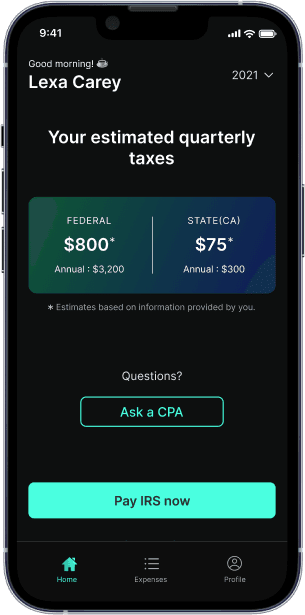
Are you self-employed?
This includes freelancers and business owners
Sales Tax Guide of
Select State
Iowa State Income Tax Guide
Iowa is known for its rich agricultural landscape and friendly communities, making it a great place to live and work. However, understanding the Iowa state income tax system is vital for residents and businesses alike. The state imposes a progressive tax rate for the Iowa state income tax, meaning that your rate increases as your income does, ranging from NaN% to NaN%. In this guide, we will explain how this Iowa state tax rate is determined and what factors influence your personal tax responsibility. Whether you're a new resident or have been filing for years, knowledge about the Iowa state income tax can help you make informed decisions to optimize your finances. Let’s dive into the details!
Single Filers

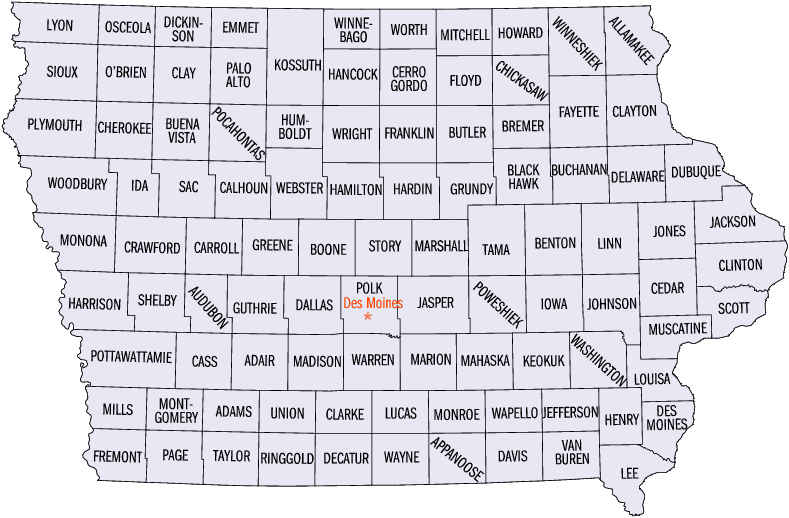

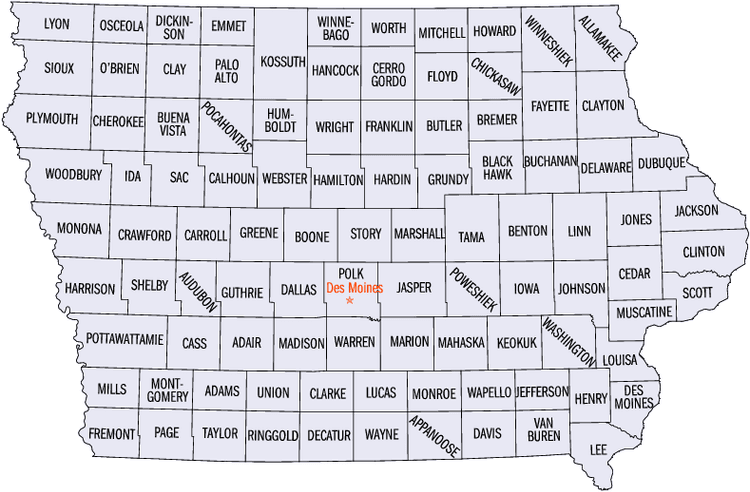
Iowa Taxable Income
Rate
$0 - $6,210
4.40%
$6,210 - $31,050
4.82%
$31,050+
5.70%
What's in this article?
- What is Iowa State Income Tax?
- Understanding Iowa Income Tax Rates and Brackets
- Who Needs to Pay Iowa State Income Tax?
- How to Calculate Your Iowa State Income Tax
- Iowa State Tax Deductions
- Iowa State Tax Credits
- How to Get a Iowa State Tax Identification Number
- Deadlines and Extensions for Iowa State Income Tax
- How to Track Your Iowa State Income Tax Refund
What is Iowa State Income Tax?
Iowa state income tax is money collected by the state government on the income earned by residents and businesses within Iowa. Unlike federal income tax, which is collected by the federal government, the IA state income tax specifically funds things like roads, schools, and public services in Iowa. After all, these contributions help maintain and enhance the quality of life for everyone living in Iowa. State income tax in Iowa works alongside the federal system, but with its own rules and brackets. While federal income tax rates stay the same for everyone in the United States, Iowa's rates consider the specific needs and priorities of the state. The Iowa state tax is crucial because it allows the state to manage its budget and keep communities thriving. Understanding how these taxes work will prepare you as we explore Iowa income tax rates and brackets next.
Understanding Iowa Income Tax Rates and Brackets
Iowa follows a progressive tax structure, meaning that as your income rises, the percentage of Iowa state income tax you pay also increases. This system considers various factors like your filing status, which can impact your Iowa state tax rate. To better understand how these rates are set, you can refer to the Iowa state income tax rates table. This will give you an idea of how different brackets can affect your tax responsibility depending on income levels. To illustrate how these tax rates apply in real life, let’s consider a case where a freelancer earns an income of $. For this freelance example, taxes owed include federal, state, and self-employment taxes. To see exactly how Iowa state tax intersects with other taxes you might encounter, check out the table below for a detailed breakdown of how these elements combine to affect overall earnings.
Estimated Tax Breakup
For $ Annual income
Monthly
Annual
Brackets
Rates
Income
$
Deductions
$
Federal income tax
$
Iowa state income tax
$
Self Employment tax
$
Total tax
$
Net pay
$
Who Needs to Pay Iowa State Income Tax?
If you're living in or earning money from work within Iowa, you may be required to pay the Iowa state income tax. Residents of Iowa need to file taxes on their total income, no matter where it was earned. This means if you live in Iowa for the whole year, your income from both in and out of the state is subject to Iowa state tax. It's essential to check your filing status, as that can affect the tax you owe. Non-residents who earn income from Iowa sources might also have IA state income tax obligations. This includes money made from an Iowa-based business or rental property. Non-residents are only taxed on income generated from within Iowa, so it's important to distinguish which income applies under Iowa's rules. Keeping clear records of your income is vital to ensure you pay the correct amount. Part-year residents have a unique position where they may need to pay Iowa state income tax too. If you moved to or from Iowa during the year, you'll be taxed on the income earned within Iowa while you were a resident. Understanding how these residency statuses affect your tax obligations can help significantly when calculating your Iowa state tax. The next section will guide you on how to handle this with a detailed calculation process.
Quick Tip :
\Keep thorough records of all your income sources, including dates of residency changes, to simplify your Iowa state income tax filing and ensure accuracy.
How to Calculate Your Iowa State Income Tax
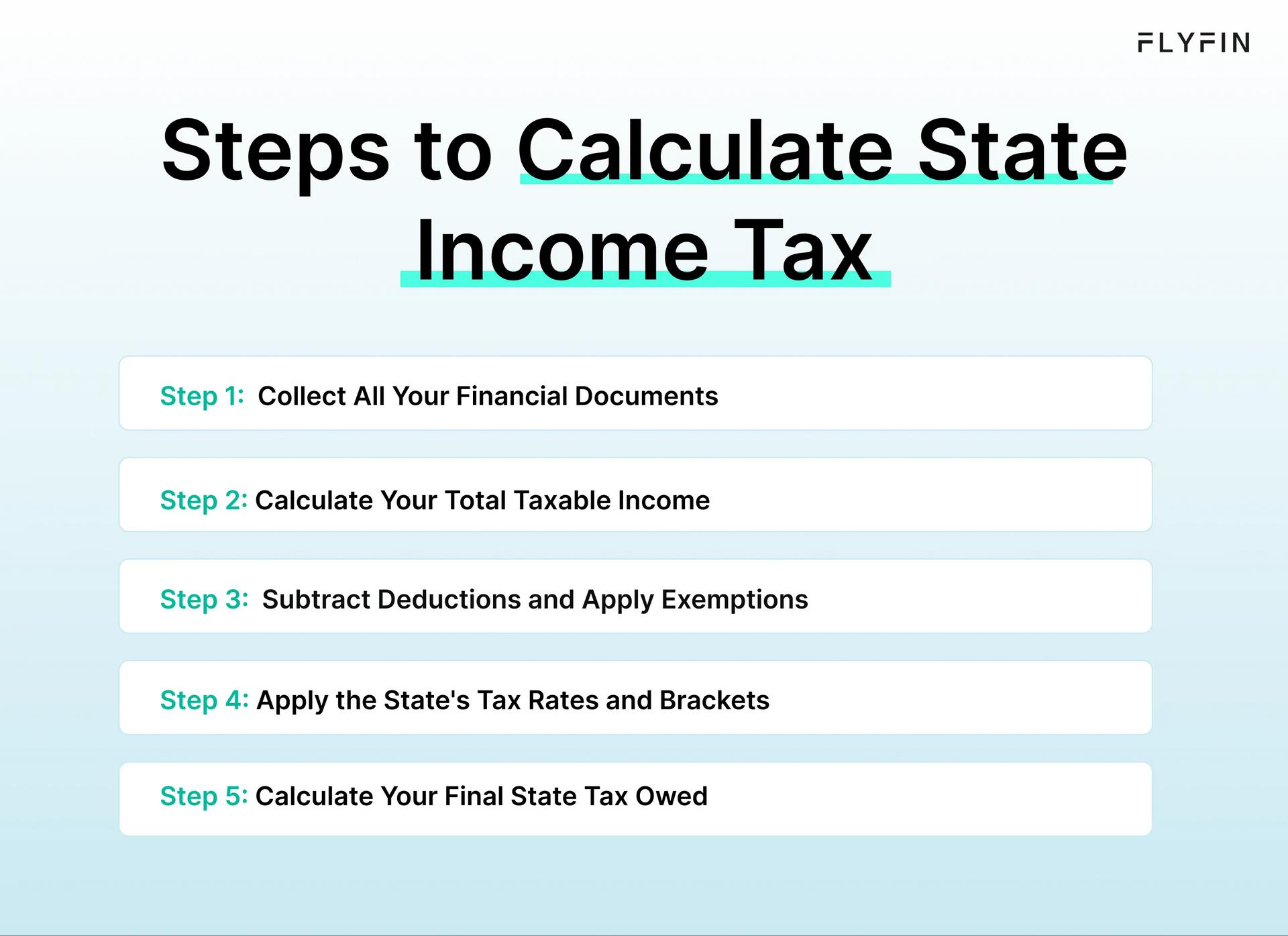
Calculating your Iowa state income tax is crucial, whether you're a full-time W2 employee or a self-employed individual. For W2 employees, this ensures accurate withholding and helps you plan for potential Iowa state tax returns. For self-employed individuals, understanding your Iowa tax filing responsibilities can prevent surprises and help in setting aside the right amount for taxes. To see how these calculations work, refer to the image below for step-by-step guidance on estimating your Iowa state tax.



For an easier experience, feel free to use our Iowa State Income Tax Calculator. This handy tool allows you to plug in your numbers and gives you an instant estimate of your tax liability based on the Iowa state income tax rate.
Iowa State Tax Deductions
Deductions are specific expenses that the Iowa state allows you to subtract from your taxable income, potentially lowering your tax liability. By claiming these deductions, like the Iowa standard deduction, you can decrease your income amount that is subject to Iowa state income tax. This reduction can significantly impact the taxes you owe and might even lead to a higher refund. Understanding the deductions available to you under IA state tax is crucial for maximizing your tax savings. They vary based on personal circumstances such as health expenses or education costs. For more information on common Iowa state tax deductions and to see which ones might apply to you, please refer to the image below.


Quick Tip :
Use the FlyFin State Income Tax Calculator to easily identify and maximize your deductions, ensuring you get the most out of your Iowa state tax filing.
Iowa State Tax Credits
Iowa state tax credits are incentives provided to taxpayers, allowing them to directly reduce the amount of tax owed. Unlike deductions, which lower your taxable income, Iowa tax credits subtract from your total tax liability, offering substantial savings. This can be particularly beneficial for individuals and families as they lower the overall amount payable to the Iowa state tax authorities. These credits are designed to encourage certain economic activities, such as investing in renewable energy or supporting education, and can assist in offsetting costs associated with essentials like housing or education. As you plan your taxes, it's essential to be aware of the available Iowa tax credit options that align with your circumstances. To explore various types of credits, including income tax and child tax credits, please refer to the next section.
Iowa Income Tax Credit
Iowa Child Tax Credit
Iowa Education Tax Credit
How to Get a Iowa State Tax Identification Number
A state tax ID is a unique identifier required for businesses operating in Iowa, similar to a federal EIN but specifically for state-level transactions. This Iowa state tax ID is crucial for processing sales tax, withholding tax, and other state-related tax obligations. It's vital for businesses and individuals engaged in any taxable activity in Iowa, ensuring compliance with Iowa state income tax regulations. To obtain an Iowa state tax ID, you can apply through the Iowa Department of Revenue's online services. The application process involves providing essential business details such as your federal EIN, business name, and address. Once submitted, approval typically takes a few days. Receiving your Iowa state tax ID allows you to legally and smoothly engage in business activities within the state, helping to facilitate your Iowa state tax responsibilities. After securing your tax ID, you'll be ready for the next step: filing your Iowa state income tax return.
Steps to File Iowa State Income Tax Return
Filing an Iowa state tax return is crucial for everyone, whether you're a W2 employee, self-employed, or a gig worker. For W2 employees, proper Iowa tax filing ensures accurate reporting of income and possible refunds. Self-employed and gig workers, on the other hand, need to report all earnings and deductions to prevent underpayment penalties. Stay informed about filing requirements to maximize benefits and avoid issues. To streamline your Iowa tax filing process, refer to the detailed steps listed below.
Determine Your Filing Status
Gather All Required Documents
Calculate Your Tax Liability
Complete the Tax Forms
File and Pay
Get a dedicated CPA to file your state income tax
Dedicated CPA files your taxes from start to finish. Federal and state return included.


As you prepare your state income tax return, accuracy and compliance with state regulations are essential. With different tax brackets, deductions, credits, and filing requirements, the process can feel overwhelming. That’s where FlyFin helps. By leveraging FlyFin's expert State Income Tax CPAs, combined with advanced AI technology, you can file your state income tax returns with maximum accuracy and efficiency. With FlyFin, you can focus on what matters most—running your business or managing your personal finances—while leaving the complex tax details to the professionals. To get started, use FlyFin’s state income tax calculator to simplify your calculations and ensure you're meeting all your state tax obligations.
Deadlines and Extensions for Iowa State Income Tax
Filing your Iowa state income tax on time is crucial to avoid penalties. The deadline for filing your Iowa state income tax return is typically April 30th each year. This date is a bit later than the federal tax deadline, giving Iowa residents extra time to prepare their state taxes. Marking this date on your calendar can help ensure you don’t miss it and face potential late fees. If you find yourself unable to meet the April 30th deadline, Iowa offers an automatic extension to October 31st. However, this extension doesn’t delay payment of any taxes owed. Interest may apply to any unpaid taxes starting May 1st. To take advantage of the extension, ensure your tax obligations are met by April 30th to avoid additional charges. Missing the filing deadline without making a payment can result in penalties and extra costs. It's essential to either file on time or submit an estimated payment if you anticipate owing taxes. Keeping a close eye on these dates ensures compliance with IA state income tax requirements and helps you avoid unnecessary financial burdens. Up next, learn how to track your Iowa state income tax refund efficiently.
Quick Tip :
Mark your calendar! Always keep track of important tax deadlines, including April 30th for Iowa state income tax, to avoid penalties and ensure timely filing.
How to Track Your Iowa State Income Tax Refund
Tracking your Iowa state tax refund is a straightforward process. Once you submit your Iowa State Tax return, you can check your Iowa state tax refund status online. The Iowa Department of Revenue offers a secure online service where you can monitor the progress of your IA state tax refund. This tool provides updates on when your return was received and when you can expect your refund to be issued. To track your refund, have your Social Security number or Individual Taxpayer Identification Number, and the exact amount of your anticipated refund handy. Entering this information will provide you with detailed feedback on your refund's status. This is a quick and reliable method to stay informed about your refund's progress without much hassle. It’s important to remember that refunds can take time due to the processing of returns. Most refunds are processed and issued within a few weeks, but peak tax season might lead to slight delays. Keeping your documents organized and filing early can help expedite the process and get your refund promptly. If you prefer other methods, you can also track your refund via telephone. Please be aware of potential delays and plan your finances accordingly. Continue checking the status periodically to stay aware of any updates concerning your Iowa state tax refund.
Conclusion
Understanding Iowa state income tax is crucial for residents and businesses alike. From learning about various tax rates and filing statuses to knowing the importance of collecting and submitting necessary documents, you now have the foundational knowledge to ensure compliance. Each step, from determining your filing status to tracking your Iowa state tax refund, plays an important role in managing your tax responsibilities effectively. Additionally, being aware of deadlines and available deductions and credits can help maximize your savings. Keeping track of your Iowa state income tax obligations not only helps avoid penalties but also enables you to take full advantage of potential refunds. Having a clear strategy for filing and understanding the Iowa state tax landscape empowers you to make informed financial decisions.
Automate state income tax calculation and filing with FlyFin


Frequently Asked Questions
Does Iowa have state income tax?
How much is Iowa state income tax?
What is Iowa income tax rate?
How to pay Iowa income tax?
Does Iowa tax retirement income?
Where is my Iowa income tax refund?
What is the minimum income to file taxes in Iowa?
Income Tax in other states
Alabama
Alaska
Arizona
Arkansas
California
Colorado
Connecticut
Delaware
District Of Columbia
Florida
Georgia
Hawaii
Idaho
Illinois
Indiana
Iowa
Kansas
Kentucky
Louisiana
Maine
Maryland
Massachusetts
Michigan
Minnesota
Mississippi
Missouri
Montana
Nebraska
Nevada
New Hampshire
New Jersey
New Mexico
New York
North Carolina
North Dakota
Ohio
Oklahoma
Oregon
Pennsylvania
Rhode Island
South Carolina
South Dakota
Tennessee
Texas
Utah
Vermont
Virginia
Washington
West Virginia
Wisconsin
Wyoming
Alabama
Alaska
Arizona
Arkansas
California
Colorado
Connecticut
Delaware
District Of Columbia
Florida
Georgia
Hawaii
Idaho
Illinois
Indiana
Iowa
Kansas
Kentucky
Louisiana
Maine
Maryland
Massachusetts
Michigan
Minnesota
Mississippi
Missouri
Montana
Nebraska
Nevada
New Hampshire
New Jersey
New Mexico
New York
North Carolina
North Dakota
Ohio
Oklahoma
Oregon
Pennsylvania
Rhode Island
South Carolina
South Dakota
Tennessee
Texas
Utah
Vermont
Virginia
Washington
West Virginia
Wisconsin
Wyoming
What’s FlyFin?


Expert tax CPAs ensure 100%-accurate tax filing

A.I. finds every tax deduction, eliminating 95% of your work

On average users save $3,700