Sales Tax Calculator
Find your sale taxes in a minute
Calculate Your Sales Tax with FlyFin
Automate your tax calculations and
filing with FlyFin
What do you sell?


Sales Tax Guide of
Cook
Sales Tax in Cook County, Illinois
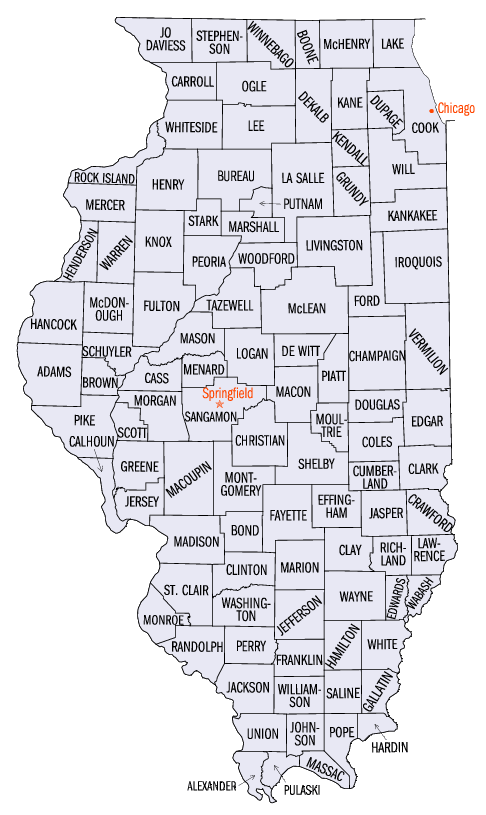
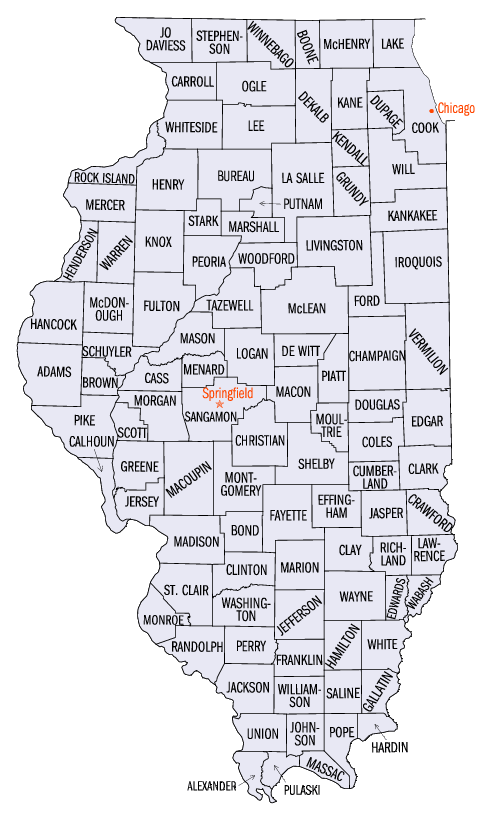
Are you shopping or running a business in Cook County, Illinois? Understanding the local sales tax here can help you budget wisely. Cook County, with Chicago as its bustling hub, is one of the most populated counties in the U.S. and a significant economic center. The sales tax rate in Cook County varies, ranging from Infinity% to -Infinity%, depending on the specific area. This guide will help you understand how these rates are determined, including the combination of state, county, and city taxes that add up to the final sales tax amount. Whether you're a shopper looking to save or a business seeking compliance tips, we've got the insights you need!


State Sales Tax Rate
NaN%
County Sales Tax Rate
Infinity% - -Infinity%
City Sales Tax Rate
Infinity% - -Infinity%
Special Sales Tax Rate
Infinity% - -Infinity%
Combined Sales Tax Rate
Infinity% - -Infinity%
Looking for a specific city?
Get your first Sales Tax filing free!
FlyFin CPAs offer precise sales tax filing with full audit insurance & a 100% money-back guarantee.


Trusted by 250k+ freelancers


What's in this article?
- Understanding Sales and Use Tax Basics
- Variations in Cook County's Sales and Use Tax Rates
- Taxable and Non-Taxable Items in Cook County
- Exempt Services from Sales Tax in Cook County
- Understanding Sales Tax Nexus and Its Impact
- Sales Tax Nexus Rates in Cook County, Illinois
- Sales Tax Return Deadlines in Cook County, Illinois
- Steps to Take If You Miss a Filing Deadline in Cook County
- Preparing Your Sales Tax Return Successfully
- Obtaining a Sales Tax Permit in Cook County, Illinois
Understanding Sales and Use Tax Basics
In Cook County, like in many places, some items are subject to sales tax while others are exempt, which can create confusion when you're making purchases. Generally, most tangible goods are taxed, so if you're buying clothes, electronics, or furniture, expect sales tax to be added to your purchase. However, there are important exceptions. Basic groceries such as bread, milk, and fresh produce are exempt from sales tax, making everyday essentials more affordable. Prescription medications, like insulin for diabetes or antibiotics prescribed by a healthcare professional, are also exempt, allowing residents to access necessary healthcare without the added burden of tax. Understanding what's taxed and what isn't can streamline your shopping experience and help you budget effectively. With these insights, you'll be better equipped to know when sales tax applies and when you can expect to see an exception. This way, you can make informed choices, especially when considering larger or frequent purchases.
Variations in Cook County's Sales and Use Tax Rates
Cook County's sales and use tax rates aren't fixed and can differ based on the specific city where the transaction occurs. The overall tax rate consists of several components: the state's portion, which is NaN, along with additional city taxes that together make up the total. This means that making purchases in various cities within Cook County might result in slight variations in the tax rate you encounter.
To get a clearer understanding of how these rates vary across different cities in the county, you can either utilize our convenient Sales Tax Calculator at the top of the page for an instant calculation of your rate, or you can refer to the table below for a detailed overview:
Sales Tax Rate in Cities of Cook County, Illinois
It’s important to note that these differences can affect your overall purchase price, particularly for larger items. For instance, buying a car or planning significant home renovations can lead to notable changes in cost depending on the city of purchase. Whether you are a resident budgeting your expenses or a business evaluating potential locations, grasping these variations is essential for making informed and equitable decisions based on local tax regulations.
Sales Tax Rate in Cities of Cook County, Illinois


Quick Tip :
When making large purchases, compare sales tax rates across areas using our Sales Tax Calculator or consult FlyFin for strategic savings and smarter spending decisions.
Taxable and Non-Taxable Items in Cook County
In Cook County, like in many places, some items are subject to sales tax while others are exempt, which can create confusion when you're making purchases. Generally, most tangible goods are taxed, so if you're buying clothes, electronics, or furniture, expect sales tax to be added to your purchase. However, there are important exceptions. Basic groceries such as bread, milk, and fresh produce are exempt from sales tax, making everyday essentials more affordable. Prescription medications, like insulin for diabetes or antibiotics prescribed by a healthcare professional, are also exempt, allowing residents to access necessary healthcare without the added burden of tax. Understanding what's taxed and what isn't can streamline your shopping experience and help you budget effectively. With these insights, you'll be better equipped to know when sales tax applies and when you can expect to see an exception. This way, you can make informed choices, especially when considering larger or frequent purchases.
Exempt Services from Sales Tax in Cook County
When it comes to services in Cook County, not all are subject to sales tax, and knowing which ones are exempt can be quite beneficial. Most personal services, like haircuts or spa treatments, typically don't carry a sales tax, allowing residents to enjoy these services without the added cost. Similarly, professional services, such as those provided by accountants or lawyers, are generally not taxed, making financial or legal consultations a bit easier on the wallet. Additionally, educational and medical services are often exempt from sales tax, which means enrolling in courses or receiving medical treatments like a doctor's visit or a specialist consultation won’t include hidden tax costs. This is particularly helpful for those relying on continuous care or ongoing education, as it can make such essential services more affordable. Knowing which services are exempt from sales tax will help you manage your expenses better while ensuring you're prepared for costs that do include a tax. Such knowledge can be a real advantage when planning your budget or when evaluating service providers.
Understanding Sales Tax Nexus and Its Impact
Sales tax nexus is an important concept to grasp, particularly if you’re a business owner or planning to start one. Essentially, a nexus is a connection or link between a business and a tax jurisdiction, like Cook County, which legally requires the business to collect and remit sales tax. This connection can be established in several ways, such as having a physical presence like a store or warehouse in the area, or even through economic activities like reaching a certain revenue threshold in the region. For individuals, understanding sales tax nexus is just as vital. If you’re making online purchases, for instance, a seller may or may not charge sales tax depending on whether they have a nexus in Illinois or Cook County. This can affect your total purchase price, making comprehension of sales tax nexus beneficial for budgeting. As we move forward, we'll delve into the different types of sales tax nexus to help you better understand how they can impact both consumers and businesses. This knowledge equips you with the insights needed to navigate purchases or business operations more effectively.
What is Physical Nexus?


Physical nexus occurs when a business has a tangible presence in a tax jurisdiction, like an office, store, or warehouse. For example, if a retailer opens a shop in Cook County, they’re required to collect sales tax on purchases made at that location due to the physical nexus established by their storefront.
What is Economic Nexus?

In Cook County, economic nexus aligns with Illinois rules. Businesses must collect sales tax if they generate over $100,000 in sales or complete 200 transactions in Illinois annually. For instance, selling $120,000 worth of goods to Cook County residents triggers the tax collection requirement.
What is Affiliate Nexus?

Affiliate nexus arises when a business has relationships with affiliates in a state that refer customers, often earning a commission. For example, if an online retailer in Cook County partners with local blogs to drive sales, these partnerships can create an affiliate nexus, requiring them to collect sales tax in that jurisdiction.
What is Click-Through Nexus?

Click-through nexus occurs when a business derives sales from online referrals through links, often with incentives or rewards to the referrer. For instance, if a retailer pays Cook County-based websites for driving traffic to their store, this may establish a click-through nexus, obligating them to collect sales tax on referred sales.
Quick Tip :
If you're unsure about nexus requirements for your business, consulting with tax experts or using platforms like FlyFin can ensure you're collecting and remitting sales tax correctly.
Sales Tax Nexus Rates in Cook County, Illinois
Understanding the sales tax nexus rates in Cook County is essential for businesses engaging with consumers there. When a business establishes a nexus, whether through physical, economic, affiliate, or click-through means, they must apply the relevant sales tax rates to transactions.
These rates are crucial for determining the total tax obligation and ensuring compliance with local tax laws. The sales tax nexus rates in Cook County combine state, county, and possible city taxes, which can cumulatively impact the pricing strategies for businesses operating within or making significant sales to the region.
To help businesses navigate these obligations, our table below outlines the threshold limits for sales tax nexus in Alabama, which can provide context for understanding similar practices in other states like Illinois:
Illinois Economic Nexus Threshold
Sales Threshold
- $100,000 or 200 transactions
- Evaluated ever quarter based on the preceding 12-month period
- Effective from October 1, 2018 for state use tax and January 1, 2021 for local use tax
Included Transactions
- Cumulative gross receipts from sales
- Exempt sales
Excluded Transactions
- Occasional sales
- Sales for resale
- Services
- Sales made through a registered marketplace facilitator
Illinois Economic Nexus Threshold
Sales Threshold
- $100,000 or 200 transactions
- Evaluated ever quarter based on the preceding 12-month period
- Effective from October 1, 2018 for state use tax and January 1, 2021 for local use tax
Included Transactions
- Cumulative gross receipts from sales
- Exempt sales
Excluded Transactions
- Occasional sales
- Sales for resale
- Services
- Sales made through a registered marketplace facilitator
Sales Tax Return Deadlines in Cook County, Illinois
For businesses that have established a sales tax nexus in Cook County, Illinois, it’s crucial to be aware of the sales tax return deadlines to ensure compliance and avoid penalties. Sales tax returns in Cook County align with the state of Illinois deadlines, typically requiring monthly reporting. These returns are generally due on the 20th of the month following the reporting period. For instance, if you’re reporting sales tax for January, the return would be due by February 20th. Some businesses, depending on their sales volume, might qualify for less frequent filings, such as quarterly or annual returns. Understanding these deadlines helps businesses manage their cash flow and administrative responsibilities effectively. For those looking to ensure they never miss a deadline, the following section will provide guidance on what actions to take if you do miss a filing deadline in Cook County, Illinois.
Quick Tip :
Set calendar reminders for sales tax deadlines, or use FlyFin to automate and track your sales tax returns, reducing the risk of missed deadlines and penalties.
Get instant answers to all your
sales tax questions with A.I.
Ask anything about taxes...
4.9 out of 5
Top questions asked by freelancers today
Steps to Take If You Miss a Filing Deadline in Cook County
Missing a sales tax filing deadline in Cook County can be stressful, but taking prompt action can mitigate potential penalties. First, file your overdue return as soon as possible; the longer you delay, the higher the penalties and interest may accrue. Next, calculate any interest and penalties due alongside the tax owed to ensure full payment and compliance. It's wise to contact the Illinois Department of Revenue to inform them of your situation and inquire about possible penalty waivers, especially if it's your first-time offense or there were extenuating circumstances. Finally, consider setting up systems to avoid future mishaps, such as automated reminders or leveraging tax management tools, to keep you on track. Moving forward, we’ll look into how to effectively prepare your sales tax return to streamline this process.
Preparing Your Sales Tax Return Successfully
When preparing your sales tax return, organization and detailed record-keeping are key to accuracy and compliance. Start by gathering all the necessary documentation, including sales records, receipts, and any previous filings, to ensure you have a comprehensive view of your taxable sales during the reporting period. Using tax preparation software or consulting with tax professionals can be especially useful if your business deals with high volumes of sales or operates in multiple locations. They can help ensure you’re accurately calculating your sales tax liability, taking into account any deductions or exemptions that might apply to your business. The next steps in the preparation process involve accurately identifying taxable sales transactions and pinpointing precisely where sales took place, which are essential for accurate reporting and compliance.
Recognizing Taxable Sales Transactions
Pinpointing Sales Locations
Get the right tax CPA for your sales tax today!
FlyFin CPAs offer precise sales tax filing at a 5x cheaper price.FlyFin also provides full audit insurance with a 100% money back guarantee.

Preparing your sales tax return doesn't have to be a daunting task. By keeping organized records of your sales transactions and understanding the locations where sales occurred, you can ensure an accurate and compliant tax return. To further streamline this process and enhance accuracy, consider utilizing FlyFin. With expert Sales Tax CPAs and cutting-edge AI, FlyFin provides reliable, tailored assistance to file your sales tax effectively. Additionally, you can visit FlyFin for instant access to our Sales Tax Calculator at the top of the page, helping you swiftly determine applicable tax rates and simplify your tax preparation journey.
Obtaining a Sales Tax Permit in Cook County, Illinois
To conduct business in Cook County, Illinois, and legally collect sales tax, obtaining a sales tax permit is a critical step. Start by registering with the Illinois Department of Revenue through their MyTax Illinois portal. This registration process requires details about your business, like the nature of your operations, your physical location, and your estimated monthly sales. After submitting your application, you should receive your permit promptly, allowing you to begin collecting sales tax. Always ensure you display the permit at your place of business and keep aware of any renewal requirements or updates needed. With an understanding of how to obtain this permit, you’re a step closer to operating smoothly in Cook County. Now, we'll move into wrapping up the knowledge we've covered in our final section, "Conclusion."
Conclusion
Navigating the sales tax landscape in Cook County, Illinois, involves understanding several crucial aspects. We've explored the various tax rates and how they apply within the county, distinguished between taxable and non-taxable items, and identified which services are exempt. Recognizing sales tax nexus—whether physical, economic, affiliate, or click-through—is key to knowing when a business is obligated to collect and remit sales tax. Businesses must be mindful of filing deadlines to avoid penalties and ensure compliance. For streamlined tax return preparation, FlyFin offers valuable tools and expertise. Additionally, acquiring a sales tax permit is essential for lawful operation within the county. Armed with this knowledge, individuals and businesses can manage their sales tax responsibilities more confidently and efficiently.
Automate sales tax calculation, reporting, and filing with FlyFin


Frequently Asked Questions
What is the sales tax in Cook County, Illinois?
When is the next Cook County tax sale?
How does the Cook County tax sale work?
How much is Cook County sales tax?
What is the sales tax on food in Cook County?
Does Cook County change sales tax on glasses?
Does Cook County, IL charge a sales tax on gasoline?
Sales Tax in other states
Our sales tax guides provide an overview of sales tax rates, nexus thresholds, taxable and nontaxable items, along with other valuable tax knowledge for every U.S. state.
Alabama
Alaska
Arizona
Arkansas
California
Colorado
Connecticut
Delaware
District Of Columbia
Florida
Georgia
Hawaii
Idaho
Illinois
Indiana
Iowa
Kansas
Kentucky
Louisiana
Maine
Maryland
Massachusetts
Michigan
Minnesota
Mississippi
Missouri
Montana
Nebraska
Nevada
New Hampshire
New Jersey
New Mexico
New York
North Carolina
North Dakota
Ohio
Oklahoma
Oregon
Pennsylvania
Rhode Island
South Carolina
South Dakota
Tennessee
Texas
Utah
Vermont
Virginia
Washington
West Virginia
Wisconsin
Wyoming
Alabama
Alaska
Arizona
Arkansas
California
Colorado
Connecticut
Delaware
District Of Columbia
Florida
Georgia
Hawaii
Idaho
Illinois
Indiana
Iowa
Kansas
Kentucky
Louisiana
Maine
Maryland
Massachusetts
Michigan
Minnesota
Mississippi
Missouri
Montana
Nebraska
Nevada
New Hampshire
New Jersey
New Mexico
New York
North Carolina
North Dakota
Ohio
Oklahoma
Oregon
Pennsylvania
Rhode Island
South Carolina
South Dakota
Tennessee
Texas
Utah
Vermont
Virginia
Washington
West Virginia
Wisconsin
Wyoming
Sales Tax in other counties of Illinois
Our sales tax guides provide an overview of sales tax rates, nexus thresholds, taxable and nontaxable items, along with other valuable tax knowledge for every county in Illinois
What’s FlyFin?


Expert tax CPAs ensure 100%-accurate tax filing

A.I. finds every tax deduction, eliminating 95% of your work

On average users save $3,700