1099 Tax Calculator

Are you self-employed?
This includes freelancers and business owners.
NYC Tax Calculator: A Synopsis for Tax Estimation
Tax management in the busy metropolis of New York may be as difficult as figuring out Times Square on a Saturday night. But you can overcome this obstacle if you have the correct resources. An effective tool for residents and self-employed people to easily determine their tax liability is a NYC tax calculator. These calculators do more than just compute numbers; they also simplify the complicated tax system, which makes it simpler to properly manage your money. Additionally, using a sales tax calculator to determine sales tax on purchases based on specific locations can ensure accurate calculations. For those who are self-employed, using anindependent contractor tax calculatorcan provide additional insights. The NYC tax calculator helps differentiate between state tax and local taxes, highlighting the unique aspects of New York's tax structure.
Table of contents
Understanding NYC Taxes
Navigating the tax landscape in New York City can feel like deciphering a complex puzzle. The city imposes various types of taxes on its residents and businesses, including a detailed breakdown of state, county, and city sales tax rates. Understanding these different taxes, including sales taxes, is crucial for effective financial management and ensuring you meet all your tax obligations. In this section, we’ll provide an overview of the primary taxes in NYC, including income tax, sales tax, and property tax.
Essential Data for Precise Income Tax Calculator
A few basic details must be entered in order to use a NYC tax calculator. The following are the main inputs you should be mindful of:
- Income: You must enter your whole income from all sources, including investments, side gigs, and your main work. For specific calculations, consider using a1099 tax calculator. Including NYC income tax in your calculations is crucial for accurate tax planning, as it significantly impacts your overall tax liabilities.
- Deductions: To lower your taxable amount, you can deduct certain expenses from your income. Business costs, mortgage interest, charitable contributions, and more are examples of commondeductions.
- Filing Status: How your income is taxed depends on your filing status (head of household, married filing jointly, married filing separately, or single).
- Local Taxes: The tax rates in New York City are different from those in New York State. Comprehending these rates is essential for precise computations. Utilize astate income tax calculatorfor more accurate results.
- Credits: Amounts that lower your tax obligation are known as credits. Child care credits and the earned income tax credit (EITC) are two examples. Learn more about availabletax creditsto maximize your savings.
Types of NYC Taxes
New York City residents and businesses are subject to several types of taxes, each impacting your finances in different ways:
- Income Tax: NYC has a progressive income tax system, meaning the tax rate increases as your income rises. The rates range from 2.907% to 3.648%, applied to your taxable income, which includes wages, salaries, and other forms of income. Understanding your income tax obligations is essential for accurate tax planning and compliance.
- Sales Tax: The sales tax rate in NYC is 8.875%, which combines the state tax rate of 4% and the local sales tax rate of 4.875%. This tax is applied to most goods and services sold within the city. Knowing how much sales tax you need to pay can help you budget more effectively and avoid surprises at the checkout.
- Property Tax: Property tax in NYC is levied on real estate, with rates varying based on the property’s location and type. The average effective property tax rate is around 0.9%. Property owners need to be aware of these rates to manage their real estate investments and plan for annual tax payments.
New York City Income Taxes
NYC Sales Tax
NYC Property Tax
NYC Excise Taxes
How Residents Can Make Tax Planning Easier Using NYC Income Tax Calculators
Estimating your tax liability can be made much easier by using a NYC tax calculator. Here's how:
- Streamlined Process: These calculators walk you through the processes and make sure you don't overlook any important details.
- Real-Time Estimates: It helps you understand how changes in income or deductions impact your taxes by providing real-time estimates depending on your inputs.
- Customization: Whether you work for yourself or have several sources of income, many calculators let you alter your inputs to fit your unique circumstances.
- Comparison Tool: A function that some calculators provide that lets you examine how various situations (such as altering your filing status or deductions) affect your taxes.
- Educational Resources: To assist you better grasp the tax regulations, a lot of websites that offer these calculators also offer educational materials and instructions.
Using Calculators to Estimate Local Sales Tax Rates and Self-Employment
Using a NYC tax calculator is especially helpful for independent contractors. Here’s how:
- Business Income: To obtain a precise estimate of your self-employment taxes, you can enter your business income and deductions independently.
- Company Expenses: One of the most important ways to lower your taxable income is to deduct company expenses. You can learn which expenses are eligible for deductions by using the calculator.
- Local Taxes: The calculator makes sure you take into account all appropriate rates because self-employment income is liable to both state and local taxes. Knowing the sales tax rates, such as the combined rate of 8.875% in New York City, is crucial for accurate tax calculations.
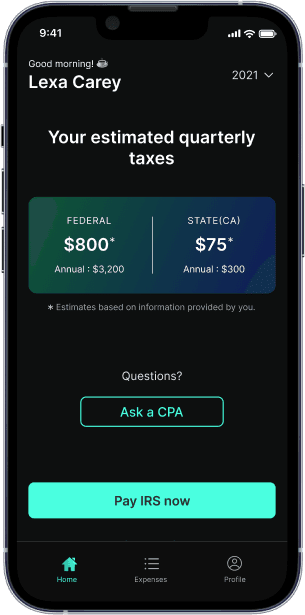
- Quarterly Estimates: You may be required to pay quarterly estimated taxes if you work for yourself. You can correctly estimate these payments with the aid of the calculator.
NYC Tax Credits and Deductions
To help ease the tax burden, NYC offers several tax credits and deductions for residents and businesses. These can significantly reduce your tax liability and increase your savings:
- Earned Income Tax Credit (EITC): The EITC is a refundable credit for low-income working individuals and families. It can be worth up to $7,430 for a family with three or more children, providing substantial financial relief.
- Child and Dependent Care Credit: This credit is available to those who pay for child or dependent care while working or seeking employment. It can be worth up to 20% of the federal credit, offering valuable support for working parents.
- Mortgage Interest Deduction: Homeowners in NYC can deduct the interest paid on their mortgage from their taxable income. This deduction can lead to significant tax savings, especially for those with high-interest mortgages.
- Charitable Donations Deduction: Individuals and businesses can deduct donations made to qualified charitable organizations from their taxable income. This includes both monetary donations and contributions of goods and services, encouraging philanthropy while providing tax benefits.
By understanding and utilizing these credits and deductions, you can optimize your tax situation and keep more of your hard-earned money.
NYC Tax Filing Requirements
New York City requires taxpayers to file their income tax returns annually, typically by April 15th. To avoid penalties and interest, it’s crucial to file your returns electronically or by mail and pay any taxes owed by the filing deadline.
To file your NYC tax return, you’ll need to gather various documents, including:
- W-2 forms
- 1099 forms
- Interest statements
- Dividend statements
- Charitable donation receipts
You can file your NYC tax return using tax software or by consulting with a tax professional. Understanding the city’s tax filing requirements and deadlines is essential to avoid any penalties or fines. Proper preparation and timely filing can save you from unnecessary stress and financial burden.
Final Thoughts
It doesn't have to be difficult to navigate the tax system in New York City. When it comes to budgeting and predicting your taxes, a New York City tax calculator is your best friend. You can save time and money by being aware of the essential inputs required for precise computations, the variations between state and NYC tax rates, and how these calculators streamline the procedure. These tools are made to make your life easier, regardless of your level of experience. Let the calculators handle the heavy lifting for you and take charge of your finances.
You may become an expert at handling your taxes in New York City by using the appropriate resources and following these guidelines. Recall that it's important to confidently plan your financial future rather than merely paying taxes.
What’s FlyFin?


Expert tax CPAs ensure 100%-accurate tax filing

A.I. finds every tax deduction, eliminating 95% of your work

On average users save $3,700