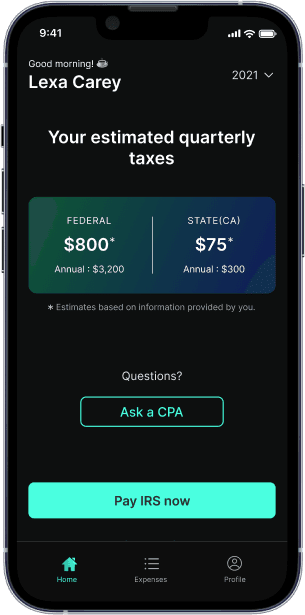
1099 Tax Calculator

Are you self-employed?
This includes freelancers and business owners.
How Are Property Taxes Calculated: A NYC Residents' Property Tax Estimator Guide
Property taxes in New York City are determined by your property’s assessed value. The property's assessed value is integral to calculating the total tax burden. Your local tax assessor determines the market value, which is usually expressed as a percentage of the assessed value. This assessed value is then used to determine the property tax bill. The assessment ratio is 6% for Class 1 properties, which include single-family and two-family residences. Accordingly, your property’s assessed value would be $12,000 (6% of $200,000) if its market value was $200,000.
Table of contents
Understanding Property Taxes
Property taxes are a type of tax levied by local governments on real estate properties, including homes, commercial buildings, and land. These taxes are based on the value of the property, which is determined through an assessment process conducted by local authorities. Property taxes play a crucial role in funding various public services and infrastructure, such as schools, roads, police and fire departments, and parks.
In the United States, property taxes are typically imposed by counties, cities, and school districts. The tax rate can vary significantly depending on the location, with some areas having higher tax rates than others. For property owners, understanding how property taxes work is essential for effective financial management. Knowing the tax rate and how it is applied to your property’s assessed value can help you anticipate your tax burden and plan accordingly.
What Are Property Taxes?
Estimating Property Tax Bill for Various Boroughs with a Calculator
A property tax calculator can be used to estimate your property taxes in New York City. These calculators account for the applicable tax rates in your borough as well as the assessed value of your property. For instance, the effective property tax rate in Manhattan (New York County) is roughly 0.98%, whereas it is roughly 0.78% in Brooklyn (Kings County). The calculator helps homeowners understand the taxes owed based on their property's assessed value and applicable tax rates.
The following is how to use a calculator: To be sure the calculator is using the appropriate tax rate for your area, start by entering the address of your property. Enter the assessed value of your property, which can be discovered on your tax bill or by getting in touch with the office of your local tax assessor. Select the Property kind and usage: Since various rates may apply for different categories, choose the kind and usage of your property. Find the Total Amount of Property Tax: The calculator will give you the anticipated amount of property tax due once you have entered all the required data.
NYC Property Tax Reductions Through Exemptions and Abatements
There are a number of property tax exemptions and abatements available in New York City that can significantly reduce the taxable value of a property. These consist of:
These exemptions and abatements can provide a significant tax break for eligible homeowners.
School Tax Relief (STAR) Exemption: This exemption lowers your total property tax cost by lowering the amount of school taxes you pay. As a senior citizen, you may qualify for theSenior Citizens Homeowners Exemption, which can lower your property taxes by as much as 50%. TheVeterans Exemptionmay also be available to veterans, which can help them pay less in property taxes. TheDisabled Homeowners Exemptionmay also be available to homeowners with disabilities, which can assist them better handle their property taxes.
How NYC Assesses Property Taxes
Local authorities in NYC determine your property taxes based on the property’s market value. Here’s a detailed explanation of how it operates: Estimate the Market Value: Comparable property sales and other indicators are used to estimate the market value. Apply the Assessment Ratio: To ascertain the assessed value, the assessment ratio is utilized. This ratio is 6 percent for Class 1 properties. Determine the Taxable Value: The assessed value is multiplied by the tax rate established by the county, city, town, and school district governments to determine the taxable value. Local taxes, including property taxes, are crucial for funding community services.
Tax levies provide a clearer picture of the total amount collected in taxes, impacting funding for local services.
NYC Property Tax Rates
New York City is known for having some of the highest property tax rates in the country. The effective property tax rate in NYC is around 0.9%, meaning that for every $100,000 in property value, homeowners pay approximately $900 in property taxes annually.
However, property tax rates in NYC can vary depending on the location and type of property. For instance, properties in Manhattan generally have higher property tax rates compared to those in other boroughs. Additionally, commercial properties often face higher tax rates than residential properties.
Here are some examples of effective property tax rates in different neighborhoods in NYC:
- Manhattan: 1.2% - 1.5%
- Brooklyn: 0.8% - 1.2%
- Queens: 0.7% - 1.1%
- The Bronx: 0.6% - 1.0%
- Staten Island: 0.5% - 0.9%
It’s important to note that property tax rates in NYC are subject to change. Homeowners should regularly check with the NYC Department of Finance for the most up-to-date information on property tax rates. By staying informed, property owners can better manage their tax obligations and take advantage of any available exemptions or abatements.
Effective Property Tax Rates
Making Use of the NYC Finance Department's Property Tax Tools
To assist you in better managing your property taxes, the NYC Finance Department offers a number of resources. You can utilize these tools as follows:
Property Tax Calculator: Based on the address and assessed value of your property, the city provides a property tax calculator to assist you in estimating your property taxes. This calculator can help homeowners understand their property tax bill.
Assessment Information: The city’s website provides comprehensive details regarding the assessment of your property, including the Residential Assessment Ratio (RAR).
Exemption Information: Moreover, the city offers details on abatements and exemptions that may lower your property taxes.
Extra Advice for Self-Employed People
Managing your property taxes might be especially difficult if you work for yourself. Here are a few more pointers to assist you in this process:
Maintain Accurate Records:Maintain thorough records of the assessed value of your property, any tax payments you make, and any exemptions or abatements you might qualify for.
Speak with a Tax Expert:If you have any questions concerning any area of your property taxes, think considering speaking with a tax expert who can offer tailored guidance.
Remain Up to Date:Visit the city's website frequently to stay up to date on exemptions, property tax rates, and other pertinent details. You may efficiently manage your property taxes and make sure you are always in line with local laws by using the resources offered by the NYC Finance Department along with these pointers.
For those who are self-employed, understandingself-employed taxobligations is crucial to avoid unexpected liabilities. Additionally, it's important to be aware of how toavoid tax penaltiesthat could arise from mismanagement of finances.
Commonly Asked Queries
First, what is property tax? You pay property tax when you purchase a home or other piece of real estate. The nature and value of the property determine how much you pay. The government uses it to raise funds for public services.
Some states, like New Jersey, Illinois, and Connecticut, impose the highest property taxes in the country.
How Does the Rate of Property Tax Get Calculated?
What Elements Affect the Rate of Property Tax?
Concluding Remarks
It takes a mix of skills, resources, and preparation to manage property taxes in New York City. You may better organize your property-related taxes by knowing how property tax rates are determined, estimating your taxes with a calculator, and utilizing any applicable exemptions and abatements. Understanding and utilizing property tax exemptions can significantly reduce the tax burden for homeowners. To make sure you are constantly ready for any changes in the value of your property, don’t forget to routinely review your assessment notices and make plans for upcoming assessments. You may confidently negotiate the complexity of property taxes in New York City if you take the appropriate strategy.
For those who are self-employed and considering purchasing a home, understandingmortgages for self-employedindividuals can be beneficial. Additionally, if you are involved in renting out properties, such as through Airbnb, you should be aware of theAirbnb 1099tax implications. Furthermore, if you have a mortgage, you might be eligible for amortgage interesttax deduction, which can help reduce your overall tax burden.
What’s FlyFin?


Expert tax CPAs ensure 100%-accurate tax filing

A.I. finds every tax deduction, eliminating 95% of your work

On average users save $3,700