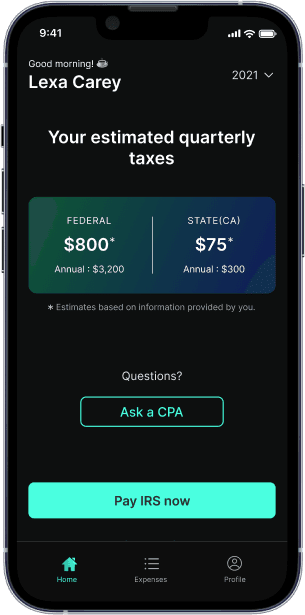
Quarterly tax deadline is Jan 15. See how much you owe penalties
1099 Tax Calculator

Are you self-employed?
This includes freelancers and business owners.
Are Flights to a Place of Work Tax Deductible? A Handbook for Independent Contractors on Meals and Travel Write-Offs
Managing your money and taxes as a self-employed person can be a difficult undertaking. Using business-related travel and meal deductions is one of the most important methods to lower your taxable income. To avoid any potential hazards, it is imperative to comprehend the rules and regulations pertaining to these deductions. The details of how to deduct travel expenses, what constitutes a deductible meal, and how to distinguish between personal and professional travel will all be covered in this article.
Table of contents
Understanding Business Travel Expenses
Business travel expenses are costs incurred while traveling specifically for business-related activities. These expenses can be deducted from your taxable income, provided they meet certain criteria. To qualify, the trip must be primarily for business purposes, and the expenses must be both ordinary and necessary. This means the costs should be common and accepted in your industry and essential for your business operations. By understanding what constitutes deductible travel expenses, you can ensure that your business travel is both productive and tax-efficient.
Subtracting Travel Costs
Self-employed people frequently travel on business trips, whether it’s to attend conferences, meet with clients, or work with other professionals. The good news is that you can deduct a large number of these costs from your taxes if the travel is to a business destination. For more detailed information, check out our guide onbusiness travel deductions.
Travel, lodging, and flights
Monitoring Travel Associated with Business
Qualifying Business Trips
For a business trip to qualify as a deductible expense, it must meet specific criteria. Firstly, the trip should be primarily for business purposes, such as attending a conference, meeting clients, or conducting research. The expenses must be ordinary and necessary, meaning they are typical in your line of work and essential for your business activities. Additionally, the trip should be planned in advance, and you must be away from your tax home for longer than an ordinary day’s work. By ensuring your business trips meet these criteria, you can maximize your business travel deductions and reduce your taxable income.
How Does a Meal Get Deducted?
In addition to being a large expense, business trip meals present a big chance for tax benefits as they can be tax deductible. Not all meals, though, are deductible costs. For insights on how to handle meal expenses, you can learn more aboutdeducting meals as a self-employment business expense.
All Meals Are Deductible
Meals Deducted at 50%
Entertainment Costs That Are No Longer Deductible
Previously, entertainment costs such as expensive dinners or tickets to athletic events were completely deductible. The Tax Cuts and Jobs Act of 2017 altered this regulation, though, and now most entertainment costs are not deductible unless they satisfy certain requirements. Disallowed business expense deductions can lead to significant financial consequences, including the requirement to repay the difference in taxes owed and potential penalties.
Which Costs Cannot Be Deducted?
Understanding Business Travel Deductions: Distinguishing Between Business and Personal Travel
Ignoring the difference between professional and personal travel is one of the most frequent errors made by independent contractors. Only expenses directly associated with your business can be written off if you are combining personal and business travel, while expenditures for personal purposes are not deductible.
Illustration
Traveling with Family and Friends
While it can be convenient to travel with family and friends, it’s crucial to understand the tax implications. If you bring family or friends on a business trip, you can only deduct the expenses directly related to your business activities. This means you cannot deduct the costs of their travel, meals, or entertainment unless they are also on a business trip. However, if you have business-related meals or entertainment with clients or colleagues, those expenses may still be deductible. By clearly separating personal and business expenses, you can ensure that your deductions are accurate and compliant with tax regulations.
Expenses of Business Travel Expenses versus Commuting
The difference between commuting costs and business trips is another crucial one. Unless they are directly tied to your business, commuting expenses are not deductible. For example, gas and transportation expenses can be written off if you have to go to a separate place for a business meeting, but not if you’re just commuting to work.
Additionally, members of the national guard or military reserve can claim deductions for unreimbursed travel expenses incurred while fulfilling their duty.
Monitoring Travel Associated with Business for Taxes
It’s critical to keep careful track of your business travel in order to make sure you’re utilizing all of the deductions that are available to you. This entails documenting all of your travel-related costs, including airfare, lodging, vehicle rentals, and other outlays. Additionally, you should record each expense’s purpose and how it pertains to your organization. Understanding the tax details all business travelers should know is essential, as it outlines the criteria for business travel deductions and the nature of deductible expenses.
Record-Keeping and Documentation
Proper record-keeping and documentation are essential for deducting business travel expenses. You should keep all receipts, invoices, and other documentation that support your expenses. Additionally, maintaining a detailed travel log that includes dates, destinations, purposes, and expenses will help you accurately calculate your deductible expenses. This documentation is crucial not only for your tax return but also in case of an audit. By keeping thorough records, you can confidently claim your business travel deductions and avoid any potential issues with the IRS.
Tax Penalties and Consequences
Failing to properly document and deduct business travel expenses can lead to significant tax penalties and consequences. If you are audited and found to have incorrectly deducted expenses, you may face penalties and interest charges. In cases of intentional misreporting, the penalties can be more severe, including fines and even criminal prosecution. To avoid these risks, it’s essential to understand the tax laws and regulations surrounding business travel expenses. By adhering to these rules and maintaining accurate records, you can ensure that your deductions are legitimate and avoid any potential penalties.
Final Thoughts
Tax deductions for meals and travel can drastically lower your taxable income, but it’s important to know the laws and limitations. You may make sure you’re utilizing all of your tax deductions by maintaining thorough records of your business-related travel and meals. Keep in mind that most meals are only 50% deductible and that only costs directly associated with your business are eligible for deductions. You may become an expert at meal and travel deductions and save more of your hard-earned money by adhering to these rules. Additionally, understanding the tax details all business travelers should know, including the criteria for business travel deductions and the nature of deductible travel expenses, is crucial.
Extra Advice for Self-Employed People
The Standard Meal Allowance should be used. Using the standard meal allowance instead of keeping track of your real spending could be more convenient if you travel regularly. This can make your record-keeping easier, but make sure you use it consistently to all of your work travels. Keep a record of everything: Maintain thorough records of every expense you incur, including bank statements, invoices, and receipts. In the event that the IRS audits your return, this will assist you in demonstrating the validity of your deductions. Business travelers should know the importance of understanding these details to ensure their travel expenses are deductible.
Speak with a Tax Expert:Although this article offers a thorough summary of meal and travel deductions, it is always advisable to speak with a tax expert who can offer customized guidance based on your unique circumstances.
You can confidently handle the intricacies of meal and trip deductions by according to these rules and recommendations, which will guarantee that you’re optimizing your tax savings while maintaining compliance with IRS requirements.
What’s FlyFin?


Expert tax CPAs ensure 100%-accurate tax filing

A.I. finds every tax deduction, eliminating 95% of your work

On average users save $3,700